Score
European cities are using clever design solutions to fight extreme heat. Will they work?
European cities are implementing innovative design solutions to combat extreme heat, showcasing the importance of urban design in enhancing livability and sustainability. These interventions, ranging from 'cooling islands' to green roofs, highlight a strategic approach to urban planning that prioritizes environmental resilience and community well-being.
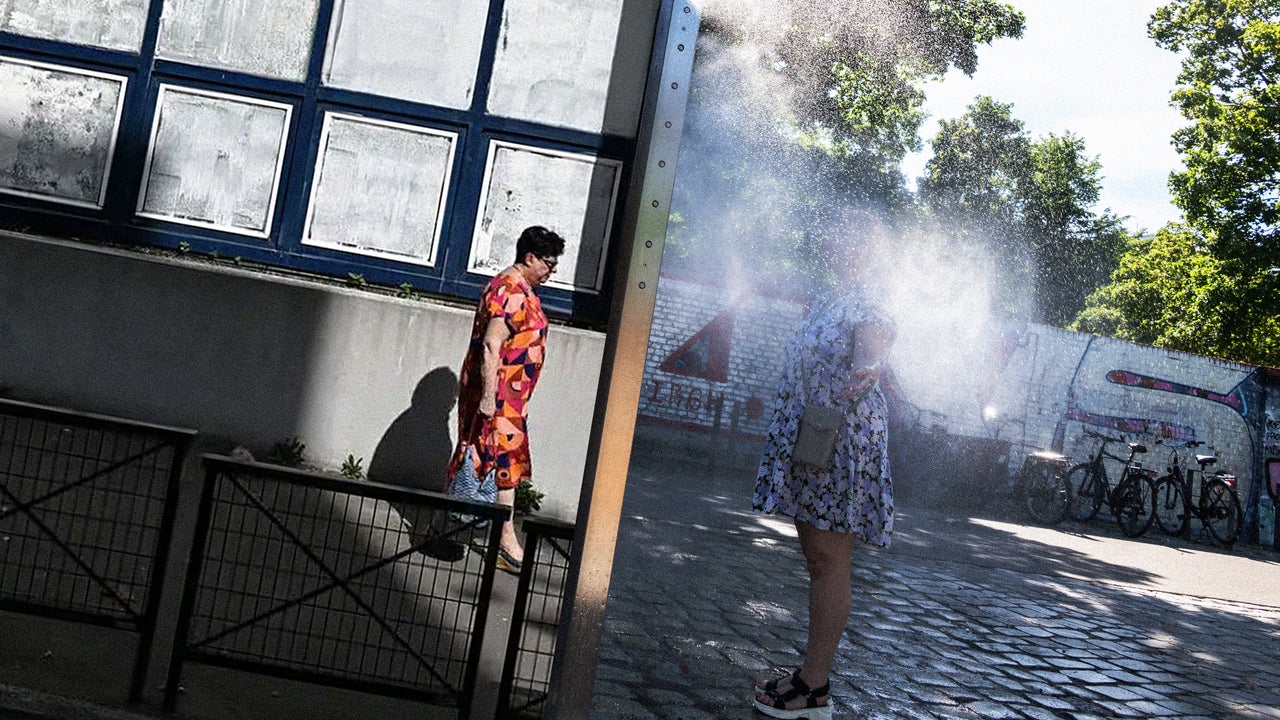
FastCompany: Europe is facing a deadly, record-breaking heat wave , and to keep cool, cities and residents have taken to design interventions. Some are longer-running projects already underway, while others are quick DIY relief efforts for Europeans facing the hottest summer ever. Here are seven ways European cities have been aiming to help their citizens beat the heat (aside from buying more air-conditioning units ), even if it’s just a couple of degrees at a time. [Photo: Jerome Gilles/NurPhoto via Getty Images] 1.
“Cooling islands” in Paris Paris designed “cooling islands” that use water, vegetation, and shading structures to keep a space roughly 4 to 7 degrees Fahrenheit cooler than it otherwise would be. Over time, the city has expanded its number of cooling spots—which include public parks, pools, and buildings—from more than 800 in 2019 to more than 1,400 today. A digital map shows residents and visitors the nearest location. [Photo: Sebastien Salom-Gomis/AFP/Getty Images] 2. Chalk on the windows in Nantes In France, schools are covering windows with chalk to block out the heat this summer.
A chalk powder called Blanc de Meudon is mixed with water and painted on windows to reflect light. [Photo: chromoprisme/Adobe Stock] 3. Planting more trees in Marseille As part of a wider refresh of its public spaces, in 2024 Marseille, a port city on the Mediterranean coast of southern France, agreed to a plan to plant more trees . So far, the city has identified about 300,000 seedlings and 8,000 mature trees for planting in this urban design intervention, according to the EU Covenant of Mayors.
Trees have a natural cooling effect because they provide shade and a process called evapotranspiration, by which plants absorb water and emit it through their leaves while moisture from the soil evaporates. A park built on the roof of a shopping center in Rotterdam, 2024 [Photo: Pierre Crom/Getty Images] 4. Green roofs in Rotterdam Rotterdam, the second-largest city in the Netherlands, designed green rooftops in its city connected by air bridges back in 2022.
Since cities create heat islands, green rooftops with gardens, or even rooftops painted light colors to absorb less heat, can lower temperatures about 5 degrees Fahrenheit, according to the U.S. Environmental Protection Agency. View this post on Instagram A post shared by Mobilane (@mobilaneglobal) 5. Green-roof bus stops in Utrecht Utrecht, also located in the Netherlands, has adopted the idea of green roofs for its outdoor public transportation infrastructure. The city’s public bus shelters grow plants on top , where rainwater is also collected and stored. [Image: InnoTrans] 6.
A cooler ventilation system in Barcelona’s metro Barcelona’s underground metro now uses an AI ventilation control system to monitor air quality and temperature, and, helpfully, it reduces the temperature in stations by about 2.3 degrees Fahrenheit. [Screenshot: Eline Coolen/ Linkedin ] 7. Exterior drapes in Amsterdam Amsterdam Public Health heat coordinator Eline Coolen recommended residents hang drapes or blankets outside their windows to stay a bit more cool this summer. “Is it always architecturally chic? No. Does it work? Yes,” Coolen wrote on social media.
Article truncated for readability. Read the full piece →
The article discusses significant urban design strategies that address climate change, which is highly relevant for brand strategy professionals focused on sustainability and community engagement.