Score
I fell down the health-maxxing rabbit hole—and crawled my way out
The rise of home diagnostics reflects a growing consumer demand for personalized health insights, pushing brands to innovate in the preventive health space. For brand strategy, this means creating clear, trustworthy narratives around health data while navigating the fine line between infotainment and clinical accuracy. Companies must balance consumer curiosity with ethical marketing practices to build lasting trust in a crowded market.
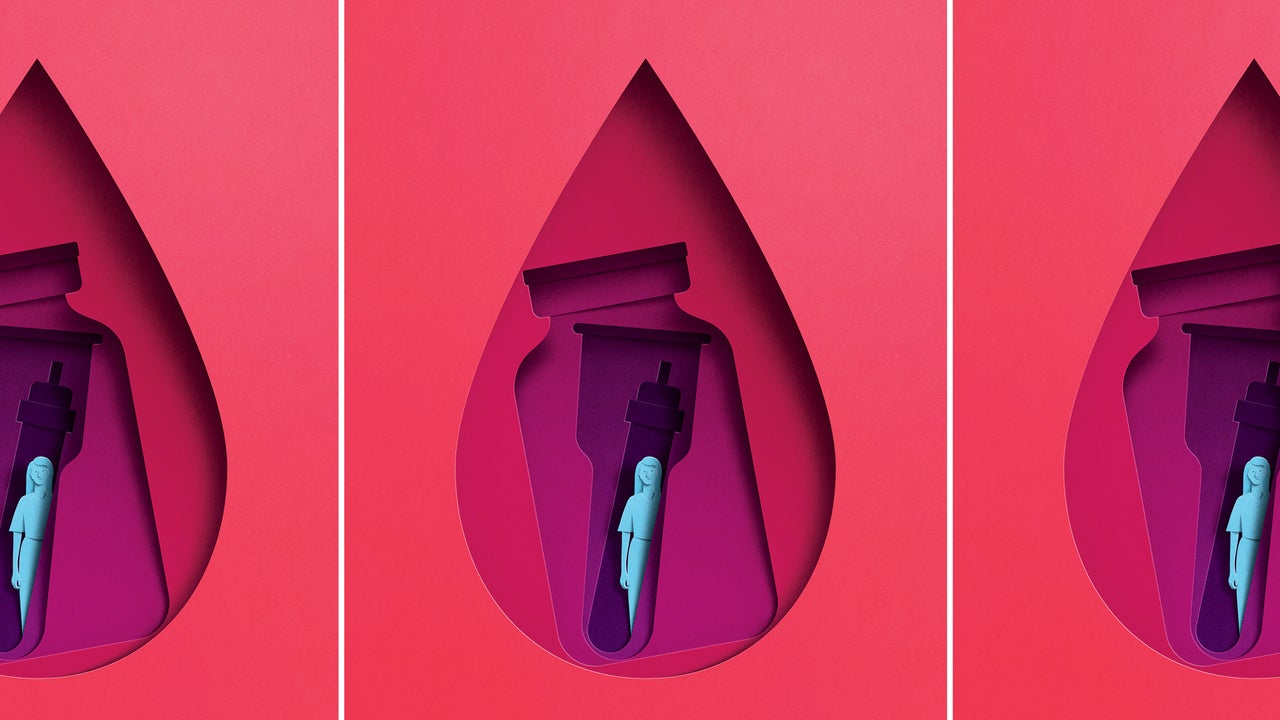
FastCompany: Piles of collection kits and instruction booklets surround my laptop in a manner that would make a lab technician weep. To my left, there’s a package containing a swab of my inner cheek, which will tell me my biological age, a reflection of cellular damage over time. To my right, there are two poop samples from the past few days, the small plastic vials discreetly tucked into envelopes, primed to reveal the state of my gut microbiome. Now, bleary-eyed on a weekday morning in June, I try to gather enough saliva to determine my cortisol levels, and thereby my stress.
If only my 7-year-old son, an early riser, would stop knocking on the office door seeking help with a packing list he’s making for his upcoming camping trip. “How do you spell ‘pajamas’?” he asks, kneeling on the floor with his notebook, as I painstakingly accumulate spit in a small tube. The instructions suggest thinking about delicious foods to generate more saliva, but I’m struggling to reach the designated line, even while dreaming of coffee. Will the stress of taking the test influence my results?
Fifteen minutes later, as I try to coax vibrant red droplets from my pricked ring finger onto a paper collection card, I’m beginning to think that visiting a doctor’s office would be far easier than trying to play lab worker and lab rat at the same time. After all, my health is fine, more or less—or at least I think it’s fine. With every new diagnostic that appears in my social feeds and podcast queues, though, doubts creep in. Wouldn’t it be nice to know that my biomarkers are all normal? I remember asking myself just a week ago, as I added another test to my cart.
A golden age of preventive health awaits those with the cash to pay hundreds of dollars for data on mitochondrial function and gut diversity, a step beyond the basic biomarkers offered by Oura Rings and Apple Watches. I’m curious what it will feel like to join the ranks of the optimized elite. I got my first taste of this ascendant world last year. I had been diagnosed with dermatitis and was trying to avoid exposure to a long list of allergens, including scents, that my dermatologist determined had been irritating my skin.
Despite throwing out nearly every lotion, soap, and detergent that I owned, my symptoms were still severe enough that I was struggling to sleep at night. I was itchy and miserable. That’s when I started seeing Instagram ads for Tiny Health, with before-and-after photos of dry, inflamed skin. One pledged to help “address the root cause of chronic conditions,” while another said that “eczema is more than a skin issue.” Had Meta heard me complaining to my husband? Or seen me searching for causes and treatments?
Gut health, Tiny’s ads told me, is “connected to inflammation, energy levels, mood, and so much more.” Didn’t I owe it to my middle-aged self to investigate? The $6.9 billion rabbit hole Basic home diagnostics, from mercury thermometers to pregnancy tests, have been around for decades. During the pandemic, we swabbed our noses for COVID-19 and saw rapid antigen test results in just minutes. Now, there are mail-in kits for heart health, hormones, metabolism—almost every biomarker imaginable—and a distributed lab infrastructure to match.
Article truncated for readability. Read the full piece →
The article addresses a significant trend in health diagnostics that impacts brand strategy, offering insights on how to navigate consumer demand and ethical marketing, which is highly relevant for professionals in the field.