Score
AI-pilled bosses and clients are turning designers into ‘pixel pushers’
The article discusses how the rise of generative AI tools like ChatGPT and Claude is transforming the design industry, leading to a devaluation of creative work as clients increasingly rely on AI-generated mockups. Designers express frustration over being treated as mere 'pixel pushers' rather than creative professionals, as clients expect lower costs and quicker turnaround times based on AI outputs. Brand strategists can take note of the potential impact on brand perception and the importance of maintaining creative integrity in a landscape increasingly influenced by AI.
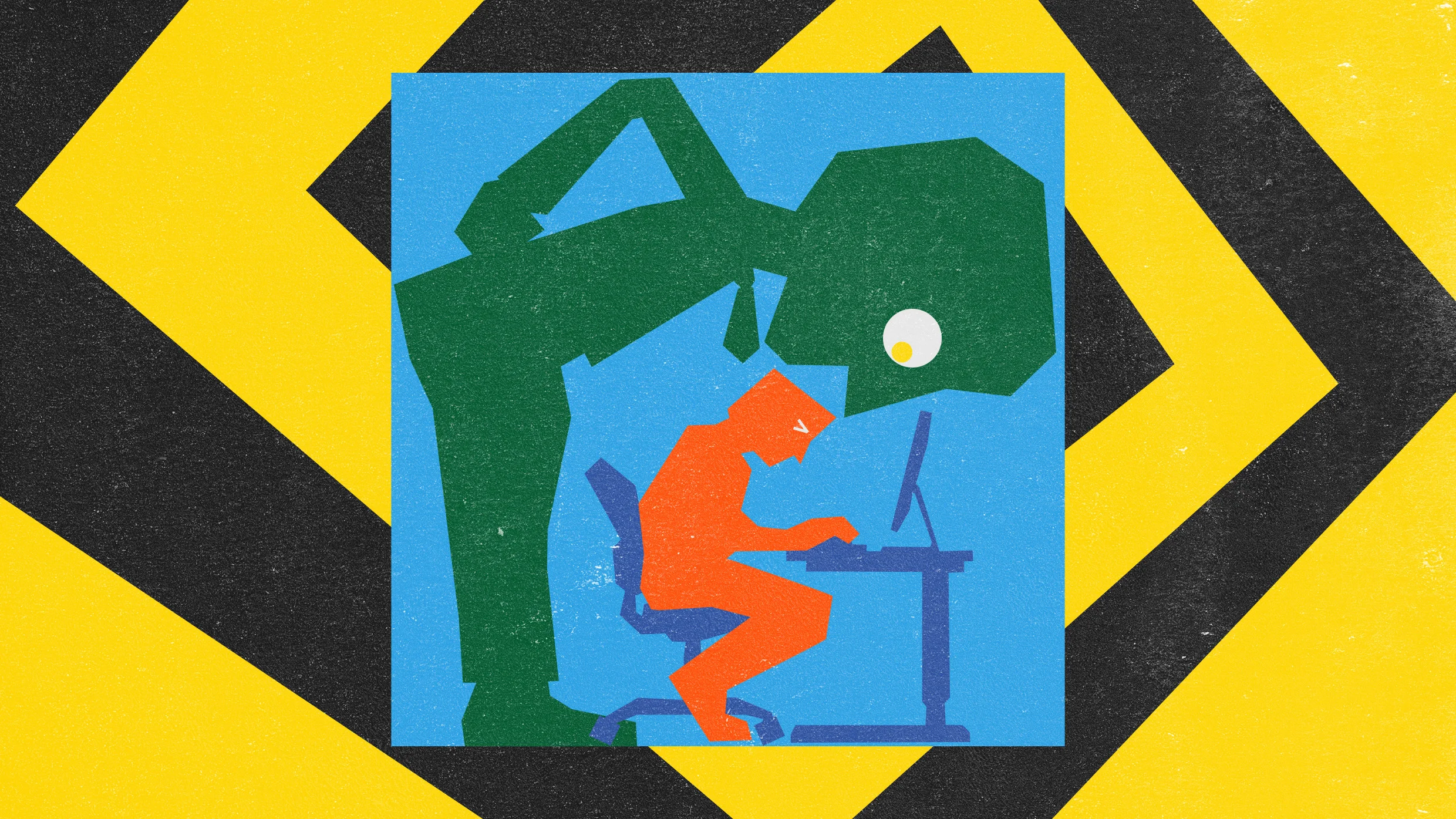
FastCompany: Emily Foran, a creative director and graphic designer, has not been asked by clients to come up with an original idea from scratch in a year. “That’s kind of killing my soul,” Foran says. “I’m having clients, new and existing, send me crap they had Claude or ChatGPT mock up for them, and then ask me to either clean it up or straight up work with it. And I hate that. It’s such an insult.” These days, she feels more like a “pixel pusher” than a creative, a concern echoed by many of her peers.
Foran, the president of the American Institute of Graphic Arts (AIGA) Maine, is one of more than a dozen graphic designers Fast Company interviewed who say that generative artificial intelligence has completely changed their relationship with their bosses, clients, and work itself over the past 18 months. Clients have asked for lower rates, because they claim they’re now the ones coming up with images alongside an AI assist. Some designers have been laid off and explicitly told that AI would replace them.
Others are only getting guidance from their bosses that amounts to “Ask ChatGPT.” Many still have jobs, yet feel like their work and perspective are undervalued or seen as replaceable. Foran has put her foot down; she has an AI policy on the website for her studio, Foran Concepts, that asks clients not to upload her work into generative AI systems or use it to generate feedback for her. Most of the designers Fast Company interviewed don’t view themselves as dogmatically anti-AI, but they’re wary of how the technology is affecting their industry.
Overall, there’s a sense that ChatGPT, Claude, and other generative AI systems now get to do the most fulfilling part of the work, while humans are left with the tedious aftermath. ‘I’VE ALREADY CREATED IT’ Amanda, a graphic designer in Canada, initially felt optimistic about the potential for AI images in the industry. “A lot of people have a hard time articulating what they’re looking for, and now here’s a tool that just shows it,” she says. She thought it might help her clients share their vision for the project, which she could use as inspiration for the creative part of the process.
But in her experience, that isn’t how the technology has played out. Not even close. “They always say, ‘Make it look more professional, and then get it ready for the printer,’” Amanda says. Then, they add, “By the way, now that I’ve saved you the trouble of developing the creative, it should be cheaper, right?” But using AI hasn’t led to any cost savings on the design side. In fact, designers say that images rendered by AI ultimately result in more work for them on the back end.
“By the way, now that I’ve saved you the trouble of developing the creative, it should be cheaper, right?” One graphic designer at a small firm based in Boston, who asked to remain anonymous to discuss her workplace candidly, says that AI might be streamlining the process for whoever is prompting it, “but for me, it’s definitely not cutting down my time. What used to take me an hour to do might be taking me three hours, because I have to collapse 20 bullet points that are in 20 different boxes into one text box.” The formatting on AI-made assets is wacky, and the sizing is all wrong.
Article truncated for readability. Read the full piece →
The article highlights a significant shift in the design industry due to AI, which affects brand strategy and creative integrity, making it highly relevant and impactful for professionals in the field.
Weekly digest
Get the Signal digest
Every Monday morning — the top 3 brand trends, 10 high-signal articles, and one emerging signal to watch.
No spam. Unsubscribe anytime.