Score
Why Buc-ee’s is protecting its logo at all costs
Buc-ee's aggressive trademark enforcement strategy highlights the importance of protecting brand identity in a competitive market. By pursuing legal action against various businesses over similarities in logos and naming conventions, Buc-ee's aims to maintain its distinct brand presence, even if it raises concerns about potential brand bullying. This approach may influence other brands to adopt similar protective measures as they expand.
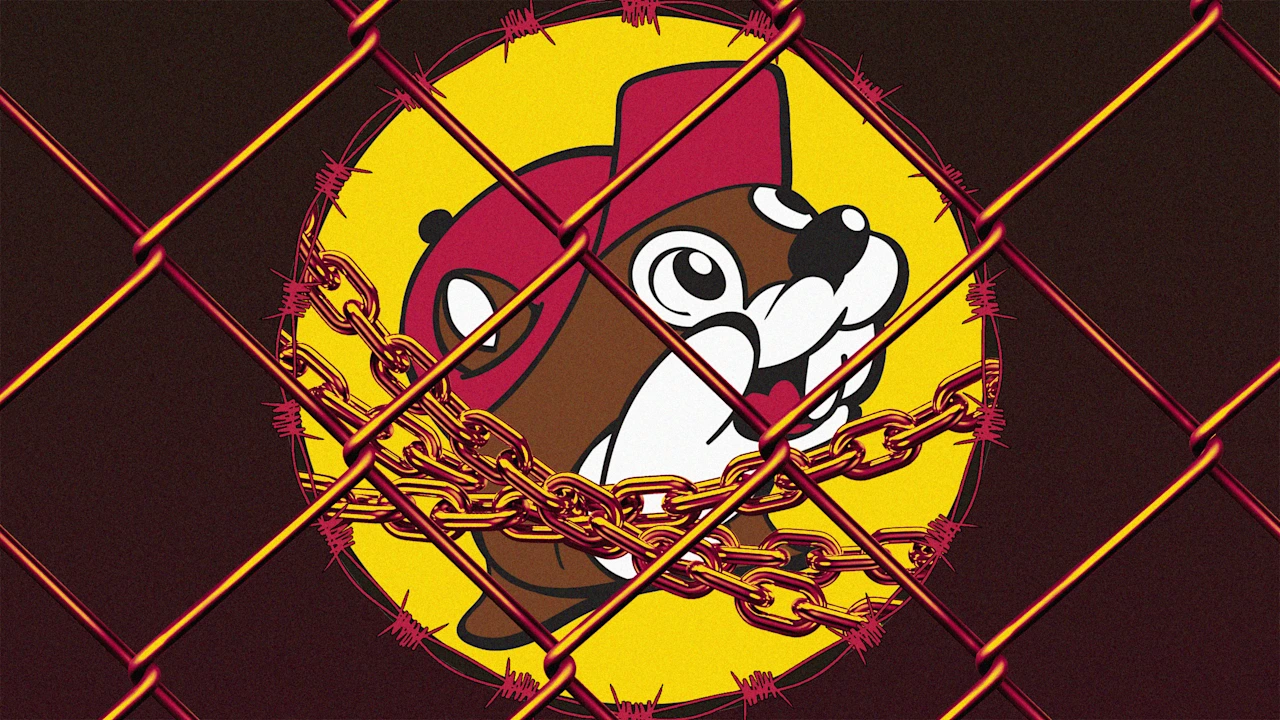
FastCompany: The gas station convenience chain Buc-ee’s is known for selling a slew of logo-ed merch to its devoted brand fans. And increasingly, it’s also known for aggressive trademark enforcement, suing competitors, apparel brands, and small businesses over logos, mascots, and even names it argues are too close to its signature smiling beaver. Most recently, Buc-ee’s, which has locations across the South, has gone after Ohio chain Mickey’s for its mascot logo, a cartoon moose, a move greeted with some skepticism. After all, as one skeptical commentator noted : “A beaver is not a moose.” Fair enough.
But as the Texas-based chain grows, such lawsuits—often focused on cartoon animals, circular badge designs, and “-ee’s”-style naming—have become a defining feature of the company’s expansion, and a notable step beyond routine trademark protection against obvious copycats. “I would say this strategy is not typical,” says Darius Gambino, an intellectual property lawyer and partner in Philadelphia-based firm Saul Ewing.
“Most times we see brands go after things that are more exact matches for their mark or their logo.” Buc-ee’s has been willing to go after cartoon chickens, ducks, dogs, even an alligator, in an approach that’s “a little bit outside the norm,” he adds. (Saul Ewing has no current or past involvement in litigation with Buc-ee’s.) The Buc-ee’s legal campaign over its intellectual property dates back more than a decade , but has accelerated in recent years as the company, founded in 1982, has grown into a national roadside phenomenon.
Early disputes tended to focus on direct competitors—gas stations and convenience stores whose logos or branding , Buc-ee’s argued, too closely resembled its beaver mascot or overall visual identity. The company consistently invoked the “likelihood of confusion” standard in trademark law, which hinges on a seemingly simple question: Might a consumer mistakenly confuse the alleged imitator with the real thing? These claims emphasize similarities in layout, expression, and color schemes rather than exact duplication. By the mid-2020s, Buc-ee’s enforcement broadened both in scope and frequency.
The company filed a wave of lawsuits against businesses well outside the traditional gas station space, including apparel brands, independent retailers, and reportedly at least one dog park. In these cases, Buc-ee’s argued that even stylized or humorous takes on a beaver—or other cartoon animals presented in a similar format—could dilute its brand. At the same time, it began targeting not just imagery but naming conventions, challenging businesses whose names echoed its distinctive “-ee’s” construction. As Buc-ee’s has expanded into new regions, this assertiveness has followed.
The upshot is a deliberate, sustained strategy: protect a highly recognizable brand identity at all costs, even if critics argue the targets are often small businesses with only tangential similarities. It’s been effective. In most instances, Gambino notes, the litigation has settled with the Buc-ee’s target making branding changes. And in plenty of cases, the infringement was actually hard to dispute. Others seem less clear cut, but may be risky to fight.
Article truncated for readability. Read the full piece →
Buc-ee's trademark enforcement strategy is significant for the brand industry as it underscores the importance of brand protection, which is highly relevant for brand strategy professionals, though the concept of trademark enforcement is not entirely new.