Score
This startup spent 2 years redesigning the toothpaste tube into a toothpaste pump
Suri, a London-based startup, has reimagined the traditional toothpaste tube by creating a sleek, reusable pump system that enhances user experience while promoting sustainability. This innovative approach not only addresses the design flaws of conventional toothpaste packaging but also positions Suri as a leader in eco-friendly oral care, emphasizing the importance of creating products that consumers will love and want to display.
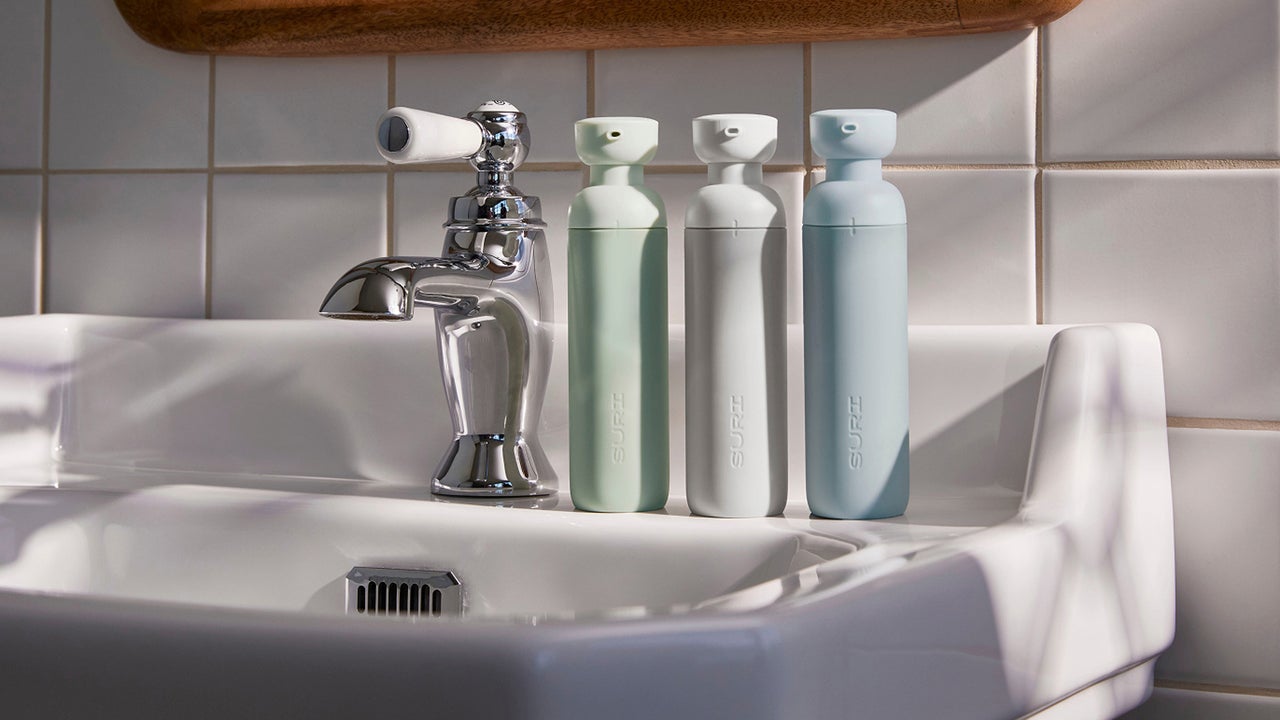
FastCompany: The toothpaste tube is the type of badly designed everyday object that tends to go unnoticed: It’s messy, the crumpled tubes look bad on a countertop, and tens of billions of the single-use plastic packages end up in landfills each year. But it’s been made in essentially the same way for decades. Suri, a London-based startup known for designing a sleek, easy-to-recycle electric toothbrush that quickly gained market share from legacy brands, now wants to change how consumers use toothpaste. The brand’s new toothpaste comes with a reusable, custom-designed pump and plant-based refills that the company says can be composted at home after use.
[Photo: Suri] The gel toothpaste avoids common ingredients like palm oil and titanium dioxide and replaces fluoride with nano-hydroxyapatite, a NASA-developed ingredient that mimics enamel to strengthen teeth without affecting the oral microbiome. “It was about how do we make that beautiful experience so that you wouldn’t mind having it on your counter, and if guests came over, you wouldn’t be hiding it,” says Gyve Safavi, cofounder and CEO of Suri (the name is short for “sustainable rituals”).
[Photo: Suri] The company spent more than two years on the design, making sure the pump could work with the thick gel, deliver a perfectly sized “nurdle” of toothpaste with a pump, lock for mess-free travel, and last for years. While a handful of other companies have started making refillable toothpaste, Suri saw an opportunity to deliver a better user experience. “The pumping experience is core. If you’re going to move to a refillable system, you can’t also move to a soppy toothpaste that comes out very weak because somebody didn’t spend time to make the pump strong enough,” Safavi says.
The pump is airless, so there’s no straw inside to trap the product; instead, a plate pushes it upward so 100% of the toothpaste is used. While Suri considered putting the refills in recyclable packaging, the team wanted to avoid petroleum-based plastic. (It’s worth noting that although conventional toothpaste tubes are finally recyclable in the U.S., consumers don’t actually recycle them, in part because most municipal recycling systems haven’t agreed to accept them.) Suri’s refill cartridges come in a plant-based material called Vivomer , which uses PHA to help it break down quickly when it comes in contact with soil in a home compost bin.
[Photo: Suri] The company, which recently expanded its toothbrush sales into Target and expects to generate more than $63 million in revenue this year, aimed to make a toothpaste that people would want to use as much as its brushes. “We’ve talked about building a minimum lovable product,” says cofounder Mark Rushmore. “In software, you can build a minimum viable product—if something’s wrong, you can iterate it, refresh the screen, and boom, it’s done.
In hardware and consumer products, you really get one shot with the consumer for them to fall in love with it.” The refillable bottle sells for $15; a single cartridge is $15; and a pack of three sells for $36.
The redesign of a common product like toothpaste packaging represents a significant innovation in consumer goods, particularly in sustainability, making it impactful and relevant for brand strategy professionals focused on eco-friendly solutions.
Weekly digest
Get the Signal digest
Every Monday morning — the top 3 brand trends, 10 high-signal articles, and one emerging signal to watch.
No spam. Unsubscribe anytime.