Score
How the Women’s Pro Baseball League designed itself from the ground up
The launch of the Women’s Pro Baseball League (WPBL) represents a significant opportunity for brand strategy, as it allows for the creation of a new sports league with a unique identity that honors pioneering women. By focusing on meaningful team names and modern visual identities, the WPBL aims to inspire and connect with audiences on a deeper level, setting a precedent for how new leagues can establish themselves in the competitive sports market.
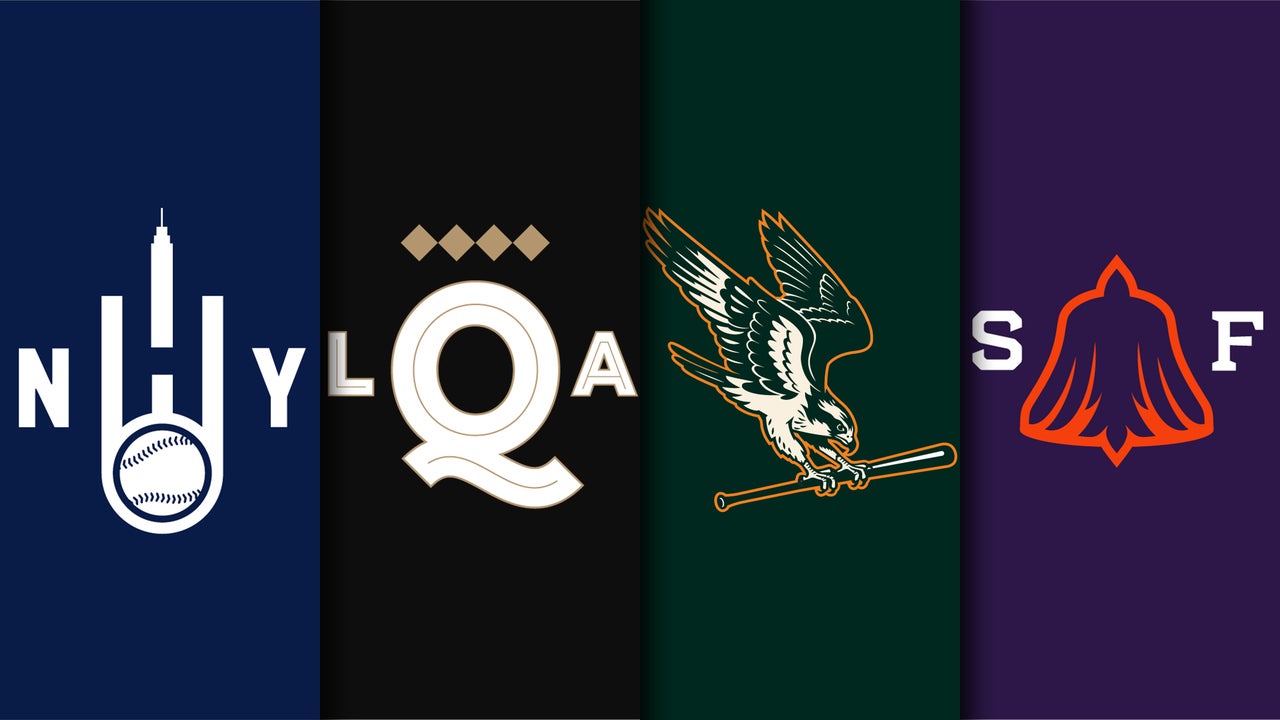
FastCompany: Major League Baseball has some of the most recognizable franchises in the world. But a new league is coming for America’s pastime, letting women into the professional field for the first time in 72 years. The Women’s Pro Baseball League (WPBL) kicked off its inaugural season on Aug. 1 after the unveiling of the first the league’s first four teams, all named to honor pioneering women: San Francisco Firebells, New York Heights, Los Angeles Queens and Boston Hunters.
[Image: courtesy WPBL] “We realized we wanted every team identity to represent something bigger than baseball,” WPBL’s chief marketing officer, Kelly Gianopoulos, tells Fast Company. “While each team has its own distinct personality, they’re all connected by the same spirit of courage, resilience, and challenging expectations.” The newly established league follows in the footsteps of the All-American Girls Professional Baseball League, which was popularized in the 1990s hit film A League of Their Own . That league brought women to the professional stage for over a decade, but folded in 1954, leaving a vacuum in professional women’s baseball.
While bringing women back onto the field was a massive undertaking, it also opened the doors for a rare occasion: designing a major sports league from scratch. [Image: courtesy WPBL] Creative control When Justine Siegal, a well-known baseball coach and sports educator, and Keith Stein, a lawyer and sports investor, set out to create the WPBL, they knew they wanted it to operate under a single ownership model to start. This allows the organizers creative control over all aspects of the league, from which markets to prioritize to creating initial naming conventions, uniform design, and overall brand identity .
“Ultimately we will have team owners, but by the time we get there, I think we’ll be very proud of the foundation we’ve put in place,” says Stein, the CEO. [Image: courtesy WPBL] Among the most important decisions was naming the inaugural teams after pioneering women with impacts in their specific domains, a step away from traditional sports names inspired by local folklore, fan contests, or owner preference. Stein says the idea didn’t initially land with all of the league’s decision-makers, but it ultimately stuck.
[Image: courtesy WPBL] After brainstorming in house as well as with the league’s players, the WPBL landed on four names, paying tribute to four women. The New York Heights is named after Dorothy Height, dubbed the godmother of the civil rights movement; the Boston Hunters pays tribute to Harriot Kezia Hunt, often referred to as America’s first woman physician; the Los Angeles Queens is inspired by the “Queen of the Diamond,” Lizzie Murphy, the first woman to play against major league players; and the San Francisco Firebells’ name refers to Lillie Hitchcock Coit, a former patron of volunteer firefighters in that city.
“The strategy I landed on was killing many birds with one stone,” Stein says. “It was accomplishing my bigger vision, which was to really inspire people and pay homage to great people, great icons. But also it opened up a whole different type of naming process to us that we could trademark and protect.” [Image: courtesy WPBL] Four teams, four identities Next came the challenge of creating what the teams would actually look like. For that, the WPBL enlisted the Canadian advertising agency Arrivals + Departures. “We knew instantly that this was going to be a fairly monumental task.
Article truncated for readability. Read the full piece →
The establishment of the Women's Pro Baseball League is a significant development in sports branding, offering fresh insights into identity creation and audience engagement that are highly relevant to brand strategy professionals.
Weekly digest
Get the Signal digest
Every Monday morning — the top 3 brand trends, 10 high-signal articles, and one emerging signal to watch.
No spam. Unsubscribe anytime.