Score
Petrus Palmér doesn’t want Hem to be the next Ikea
Petrus Palmér, CEO of Hem, emphasizes a brand strategy focused on maintaining full-price sales and building trust with customers, architects, and designers. By prioritizing quality and authenticity over aggressive discounting and rapid growth, Hem aims to establish itself as a design house that champions unique creators rather than competing directly with giants like Ikea.
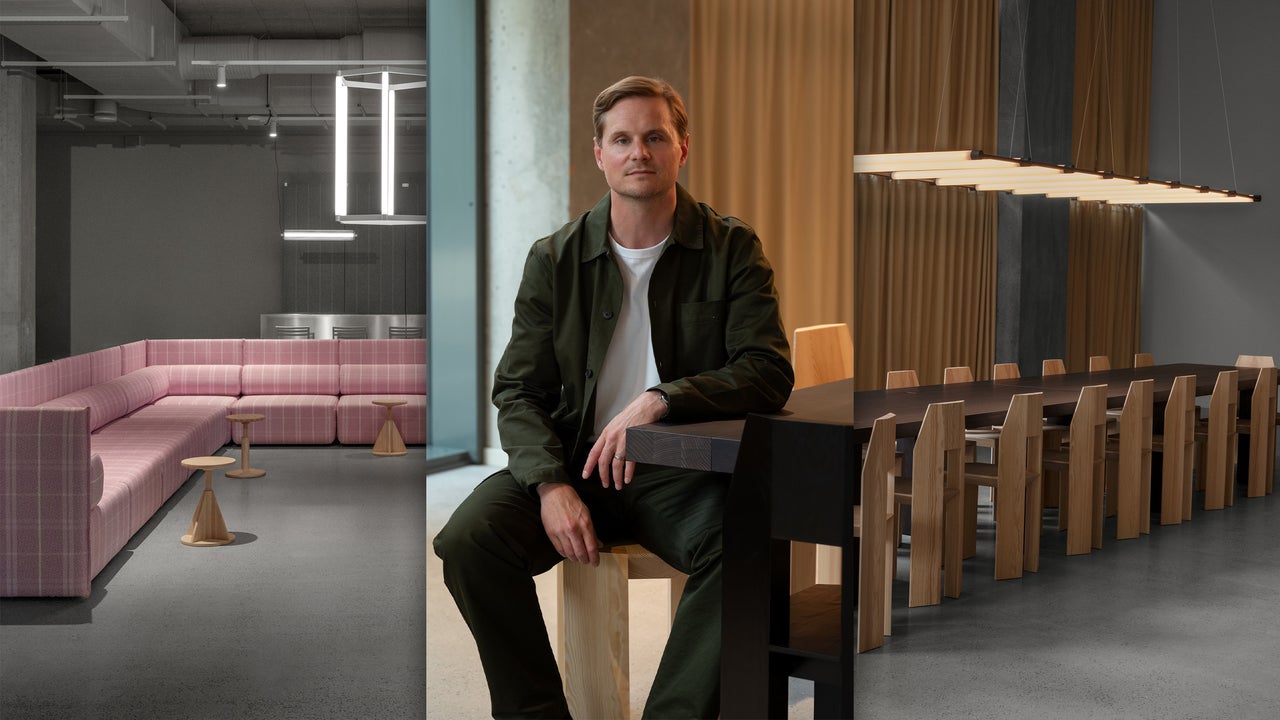
FastCompany: “No Black Friday. No seasonal sales. No promotional pricing.” Earlier this year, Petrus Palmér, the founder and CEO of Hem, wrote these words on LinkedIn about his decision to do away with all discounts. This isn’t the first time Hem’s business model has changed course. Palmér founded the cult-favorite Swedish brand—known for its collaborations with some of today’s most cutting-edge designers—in 2014. It launched as primarily a direct-to-consumer brand, but that has since shifted. Today, the majority of the company’s sales come from trade and wholesale, something he says he’s happy with.
More recently, Palmér took to LinkedIn again, calling out Ikea for appropriating Hem X , the company’s platform for creative collaborations. Ikea’s new Konstrunda collection , offering affordable art objects by seven makers, recently launched. In a video call from his home in Stockholm, Palmér spoke candidly about the complexities of going up against a behemoth like Ikea, why proper attribution matters, and what it takes to build a furniture business for the long term. This interview has been condensed and edited for clarity. In the spring, you decided to eliminate sales. What prompted that decision, and when did it go into effect?
It went into effect immediately in February. What prompted it was a long time coming, really. I’ve never felt comfortable with discounting the items, and as the business has developed, I feel like we’ve gotten more proof that people are willing to pay full price, and that we’re actually better off maintaining the full price than trying to periodically discount them. There’s so much of that in this industry.
If you’re a legit brand, a design brand, you need to build a lot of trust with customers, and discounting is just eroding that trust—both with consumers, but also with architects and interior designers and a lot of other people we work with. They’re not very happy about the inconsistency, and about the erosion of value that happens when you discount. How has it played out since? Have you seen any change in sales? The wholesale partners are applauding it. For them, it’s better—if we discount, they’re almost forced to discount. So we’ve been telling them we don’t want them to discount Hem unnecessarily. It makes it easier for them.
But honestly, it’s definitely had an impact on our e-commerce and direct sales, which was to be expected. It was a calculated bet. That’s gone down. I don’t have the exact numbers, but it’s roughly what we expected. During those seasonal sales periods, we won’t have as much volume. [Photo: Erik Lefvander] Are there any strategies you’re implementing to safeguard against that dip? Any way you’re operating differently? What disappears are the customers who are perhaps not very loyal—and there are a lot of people, including myself sometimes, who want a good deal. So they probably won’t be as frequent.
We’re more reliant on our loyal customers and the people who are fans of the brand, who aren’t there to make a good deal, but because they’re actually interested in the brand long term. So we’re more dependent on them now, and that includes a lot of B2B: The designers and architects who work with us commercially are a bigger portion than the consumers. That takes some of the risk away. The architect wants reliability and stability in pricing. They want to be able to specify the same item now and in five years again. They don’t like volatility in pricing. That’s why we’re prioritizing that group.
Article truncated for readability. Read the full piece →
The article discusses a significant brand strategy shift for Hem, which could influence industry practices, particularly in the context of competing with established giants like Ikea, making it highly relevant and somewhat novel.