Score
Six Flags tragedy in Georgia puts spotlight on the industry’s patchwork of safety standards
The tragic death of a man on a Six Flags roller coaster in Georgia has raised concerns about the safety standards of amusement park rides, which vary significantly across states in the U.S. Following the incident, Six Flags temporarily closed similar coasters while investigations are underway, highlighting the need for more consistent federal regulations in the amusement park industry. Brand strategists can take note of how safety and regulatory issues can impact brand reputation and consumer trust in entertainment experiences.
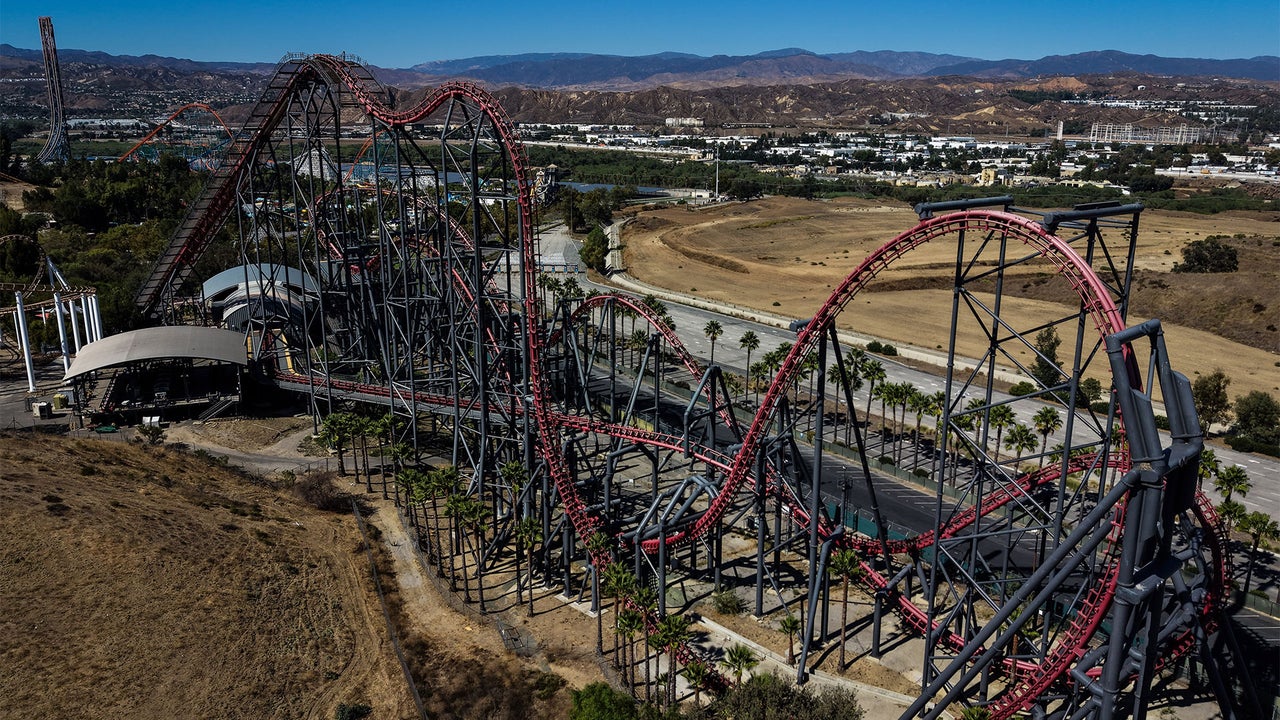
FastCompany: The horrific death of a man who was ejected from a Six Flags roller coaster in Georgia is drawing attention to the safety of amusement park rides that have become increasingly faster and steeper in their quest for the biggest thrill . Even so, deaths on roller coasters are still extremely rare, and Georgia officials have said little about what happened Monday when Hassan Jihad Ibn Kariem, 42, was thrown from his seat while riding the Goliath at Six Flags Over Georgia before striking other patrons and then landing below the ride.
Goliath uses a sheer drop from 200 feet (61 meters) to reach top speeds of 70 mph (112 kph) and focuses on velocity and downhill plunges rather than turning riders upside down through loops or corkscrews. It has operated at the park for two decades. Six Flags temporarily closed nine similar coasters across North America following the death, saying it was doing so out of an abundance of caution.
Ride manufacturer Bolliger & Mabillard said it is “actively investigating the incident and will not comment further until we have a better understanding of what happened.” The US has a patchwork of rules regarding rides In the U.S., roller coasters and other rides at major amusement parks such as Six Flags are not regulated by the federal government. That responsibility falls to states. Some say this has led to an inconsistent patchwork of rules where some states have strict regulations and others have little to no oversight. U.S. Sen.
Ed Markey of Massachusetts has repeatedly introduced legislation to close what he calls a “loophole” in federal law that allows U.S. safety officials to regulate mobile rides but prevents the Consumer Product Safety Commission from overseeing stationary rides like those at major amusement parks. Brian Avery, a University of Florida professor and amusement ride safety expert, agrees that more federal regulations are needed. “Who’s watching those in these organizations to ensure that they are adequately trained, that they are compliant, that they are monitoring these rides to the level in which the standards have established?” Avery said.
Georgia’s Office of Insurance and Safety Fire Commissioner, which oversees annual ride inspections in the state, is “conducting an in‑depth and comprehensive review” of what happened Monday at Six Flags, said Garrison Bennett, a spokesperson. Amusement park industry has set its own safety standards Amusement park operators worldwide generally adhere to what are known as ASTM standards set by industry experts, which cover everything from ride design and construction to how much acceleration and force each rider is allowed to experience.
The industry has multiple layers of inspection, said Dennis Speigel, a theme park consultant and past president of the International Association of Amusement Parks and Attractions, a trade group. Park operators are under pressure from insurance carriers that could face a hefty payout if something goes wrong. “With the checks and balances that are put in place, theme parks are really one of the safest places to be on the planet,” he said in a phone interview Tuesday. The trade group said the chance of being seriously injured on a U.S. amusement park ride is 1 in 15.5 million rides taken.
Article truncated for readability. Read the full piece →
The article addresses a significant incident that highlights the importance of safety standards in the amusement park industry, which can directly affect brand reputation and consumer trust, making it highly relevant for brand strategists.
Weekly digest
Get the Signal digest
Every Monday morning — the top 3 brand trends, 10 high-signal articles, and one emerging signal to watch.
No spam. Unsubscribe anytime.