Score
What a monk, a real estate mogul, and a musician can teach us about marketing
The article emphasizes that brand strategy should focus on building character through consistent actions rather than relying on quick marketing tactics. It highlights that true brand strength comes from daily practices that align with a brand's values, as demonstrated by a monk, a musician, and a real estate mogul who each embody this principle in their respective fields.
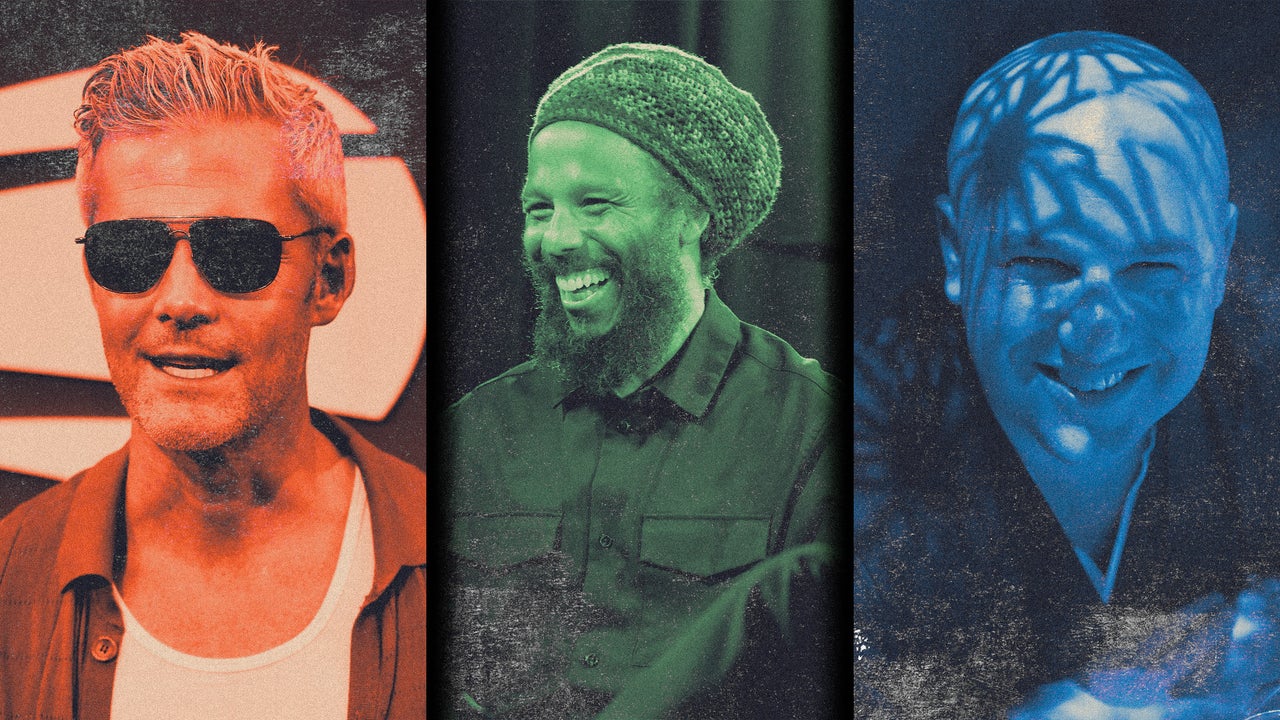
FastCompany: I’ve spent the past four years asking people who broke the marketing rule book how they actually did it, and trying to figure out what we can learn. These are almost always CMOs, but every once in a while, I ask leaders and entrepreneurs who do not hold that title how they approach marketing. A Zen teacher who runs a meditation center. A reggae musician carrying his father’s legacy while carving out his own. A real estate broker who turned open houses into a full-on media empire. None of them set out to be marketing gurus, yet they all are.
Our industry spends most of its time optimizing funnels, segments, KPIs, and quarterly targets, and now what to do with AI to make it all happen faster and cheaper. I say this as someone who is building an artificial intelligence practice. But after more than a hundred episodes of my podcast, the conversations that most rearranged my thinking came from three people who work in three unrelated fields, who each arrived at the same conclusion: A brand is character at scale. What you practice daily, in public, over years, compounds into what people believe about you.
And character, it turns out, is built the same way everywhere—in a meditation hall, a recording booth, or a town car headed uptown. The monk Koshin Paley Ellison has spent decades sitting with the dying, which gives him an unfair advantage in knowing what actually matters. In his book Untangled , he traces a chain: Feelings become thoughts, thoughts become words and words become actions—and over time, your actions become your character. He wasn’t talking about brands. But I’ve never heard a better description of how one gets built. Not through what you proclaim in a manifesto. Through what you repeatedly do day in and day out.
When I asked him why successful people so often feel empty, his response was: “Many of us know what our values are. But how much of our day do we actually spend nourishing those things? Often it’s very little. We go for what’s easy. And going for what’s easy in the short term is fine, but in the long term it is devastating.” Swap “we” for “brands” and he’s just described a common brand problem. Every brand can recite its values. Very few spend their days—or their budgets—nourishing them. The easy thing is the retargeting campaign, the discount, the engagement hack. The devastating thing is what a decade of easy does to a brand’s character.
The musician Ziggy Marley told me something that would get most marketers fired: “I write songs for myself. I don’t write them for anybody else.” No audience research, no persona targeting, no test-and-learn. And yet look at his crowds: kids who just discovered reggae standing next to people who saw his father play. When your work is a true expression of your character, you don’t need to segment your audience. The audience finds the character. But don’t mistake that for winging it. The discipline underneath is fanatical.
For his album Brightside , he retuned every instrument to 432 Hz—a frequency he believes resonates differently with the body—and tested that on tour for a full year before entering the studio. He recorded 16 songs and released eight, because cramming more grooves onto vinyl degrades the sound, and he refused to trade quality for volume. That’s a character decision. The real estate mogul The broker proves character can be trained. Ryan Serhant got his real estate license and walked into the office on September 15, 2008—the morning Lehman Brothers filed for bankruptcy.
Article truncated for readability. Read the full piece →
The article presents a unique perspective on brand strategy by using diverse examples, making it moderately impactful and relevant, though the core idea of aligning actions with brand values is a common theme in marketing.
Weekly digest
Get the Signal digest
Every Monday morning — the top 3 brand trends, 10 high-signal articles, and one emerging signal to watch.
No spam. Unsubscribe anytime.