Score
Kevin Robinson of KAYJAY Consulting On Five Things You Need To Know To Succeed In The Real Estate…
Kevin Robinson emphasizes the importance of treating tenants with dignity and respect in the real estate industry, suggesting that this approach not only fosters better relationships but also leads to improved business outcomes. His insights highlight the necessity of clear communication and leadership in property management, which can enhance tenant satisfaction and ultimately contribute to long-term financial success for real estate investors.
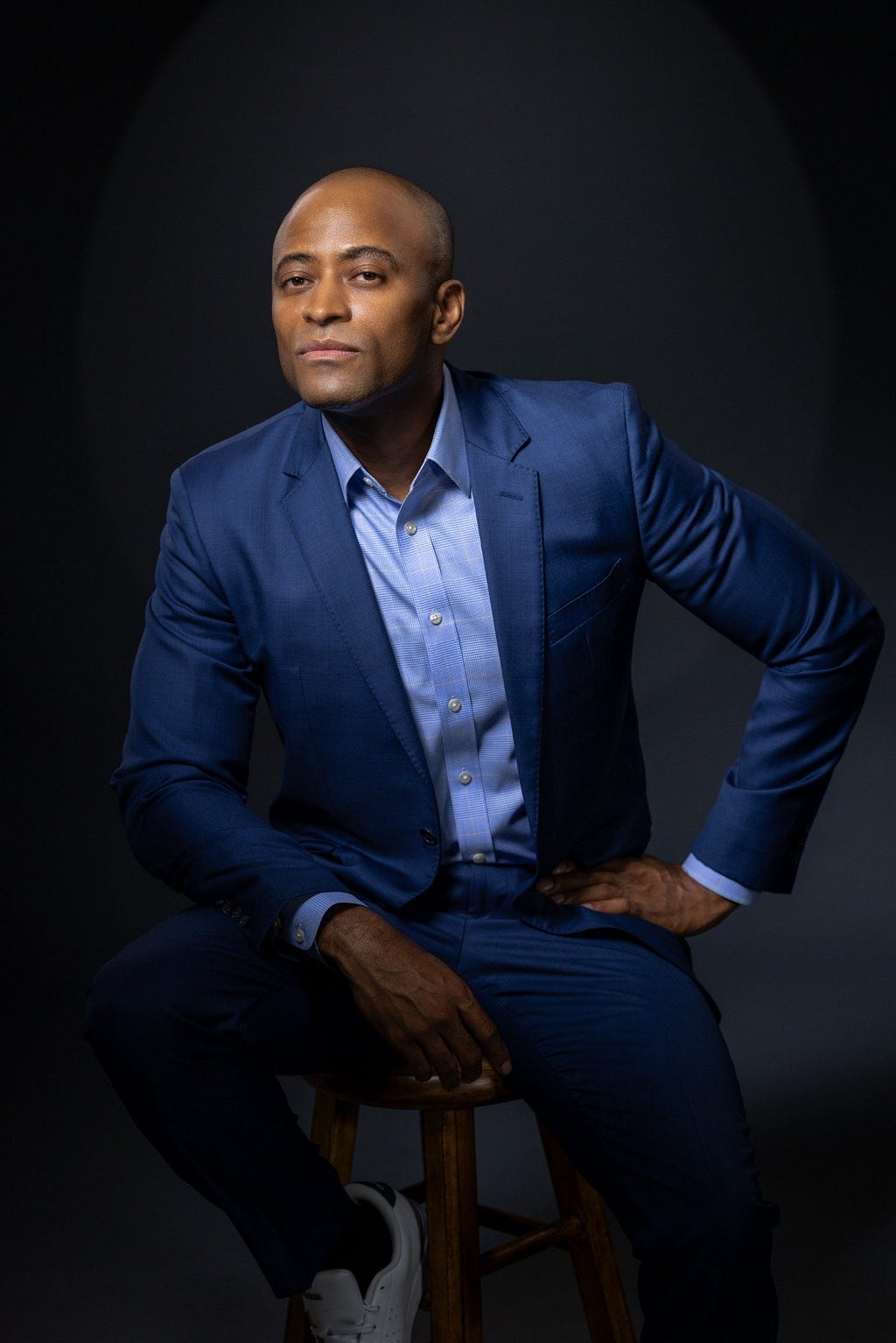
Authority Magazine: Kevin Robinson of KAYJAY Consulting On Five Things You Need To Know To Succeed In The Real Estate Industry An Interview With Aaron Weiner -- Listen Share Treating people with dignity isn’t just the right thing to do — it’s also good business. Treating people with dignity isn’t just the right thing to do — it’s also good business. As a part of this series, we had the pleasure to interview Kevin Robinson. Kevin “KAYR” Robinson is a real estate entrepreneur, investor, and speaker who rose from poverty in Philadelphia to build a multimillion-dollar real estate portfolio.
He is the author of the memoir Can’t Break Me, which chronicles his journey from the streets of West Philadelphia to Wall Street and ultimately to entrepreneurship. Today, he speaks at universities and organizations across the country about discipline, resilience, and building generational wealth through ownership. Thank you so much for joining us in this interview series! Can you tell us the “backstory” about what brought you to the Real Estate industry? My interest in real estate began long before I owned my first property. Growing up in Philadelphia, my family moved frequently because we struggled financially.
Sometimes we lived without electricity or heat, and stability was something we rarely experienced. I understood very early that when you don’t control where you live, you don’t fully control your life. But I also saw the other side of the equation inside my own home. My mother, Robin, and my stepfather, Charles Washington, were always hustling to keep our family afloat. They rented out rooms, did hair, sold Mary Kay, and flipped clothes. It wasn’t glamorous, but it was ownership in motion. Watching them taught me an early lesson that cash flow beats appearances. Charles also planted the real estate seed in a more direct way.
We used to walk through neighborhoods like Port Richmond and University City, and he would point out blocks he believed investors would eventually target. At the time I didn’t understand cap rates or development cycles, but I understood one thing very clearly: rent checks. Years later, after attending Bowdoin College and working on Wall Street, I began studying how wealth was actually built in America. Over and over again I saw the same pattern — people who owned real estate created long-term financial stability for their families. That realization connected everything I had seen growing up.
I realized that owning property could create the stability my family never had, and it could also open doors for other people. Real estate became both a business opportunity and a mission for me. Can you share with our readers the most interesting or amusing story that occurred to you in your career so far? Can you share the lesson or takeaway you took out of that story? The house needed a full rehab, and the last thing left in the bathroom was an old medicine cabinet. I had intentionally left the simplest task for last.
The cabinet was rusty and had been painted so many times over the decades that little bits of old colors were sticking out everywhere in random patches — golds, blacks, pinks, greens. Even if you removed the rust and the layers of paint, it still would have been ugly. So I told my contractor very clearly, “By the end of the day I want that medicine cabinet in the trash. It’s dead to me.” After I left the property, my dad Tyrone stopped by the job site and told the contractor the exact opposite. He said, “Don’t move that medicine cabinet. That’s an antique. Sand it down and preserve it.
Article truncated for readability. Read the full piece →
The article provides valuable insights into tenant relations in real estate, which is significant for the industry, but the concepts discussed are relatively standard practices rather than groundbreaking innovations.