Score
From Coffee Cups To The Golden Globes What Rob Draper Learned When He Lost Everything
Rob Draper's journey from redundancy to high-profile commissions like Nike and the Golden Globes illustrates the importance of resilience and creativity in brand strategy. His approach emphasizes starting small and focusing on genuine creative expression, which can lead to unexpected opportunities and recognition in the industry. This highlights that brands can thrive by prioritizing authenticity and innovation over traditional marketing tactics.
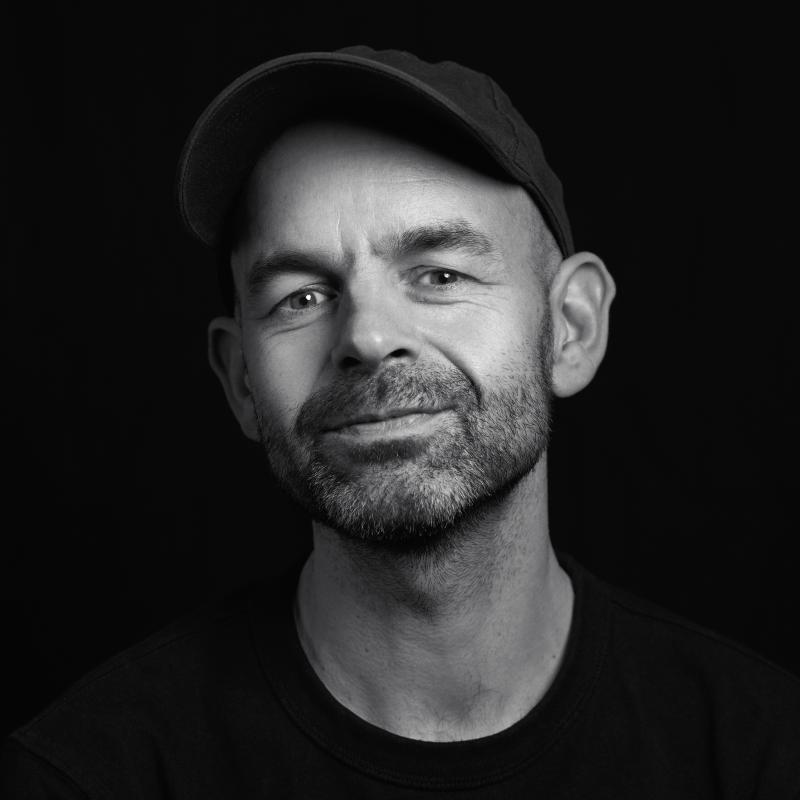
Creative Boom: Insight Career From coffee cups to the Golden Globes: what Rob Draper learned after he lost everything The celebrated lettering artist discusses redundancy, camp beds, and how starting small led to the biggest commissions of his career. Written By: Tom May 26 May 2026 Opening the first main day of the All Flows conference in Milton Keynes last week, lettering artist and collage-maker Rob Draper told a story that not many speakers would have the nerve to tell.
It involved a camp bed in his sister's front room, a dog that died, a shed that got broken into, a car seized by police, a marriage ending and, at one of the lowest points, Christmas dinner alone with a bowl of porridge. The talk was called Work, Dreams, Swings & Roundabouts. It delivered on all four counts. Over the course of around an hour, Rob told the story of his life with admirable honesty; from his early graffiti obsession in 1980s Worcester, through 20-plus years in commercial design, to unexpected redundancy, reinvention via a Starbucks cup, and eventually to dream commissions from Nike, the Golden Globes and NASA.
His overall takeaway? When everything falls apart, starting small is enough. It's a lesson that every creative, whether newbie or veteran, can learn a lot from. Three ambitions Rob grew up in Worcester, part of what he called the third-best breakdancing crew in the county. He showed the audience a photograph of himself at Christmas in full Nike gear, surrounded by sketchbooks, and listed three ambitions he'd had as a child: to design a range of BMX bikes, to work for Nike and, somewhere down the line, to make a living as an artist.
He went to art college, then university, then spent two decades in commercial design, eventually becoming art director at a fashion brand. Life was good. And then it wasn't. His company was bought out, and the studio was relocating north. Rob had a wife, a son, a dog and a house in the Midlands, and wasn't able to follow. He stayed behind to clear the warehouse, buying himself time to think. "Every time I stopped, whether it was a cup of tea or lunch or anything like that, I would just draw and draw and draw and think something's going to happen, it's going to be fine," he recalls. But no new opportunities came his way.
What followed was a patchwork of little jobs. A-frame signs for local shops. Vintage lettering on restaurant walls. Some work with Superdry. Teaching graphic design and art. Running creativity sessions with children and adults, and working in a men's prison. But none of it came from self-promotion, and that was no accident. "I really, really, really hate selling to other people," he stresses. "I hate other people trying to sell to me." Ultimately, though, what turned things around was a piece of advice passed on from Donald Jackson, the official calligrapher to the Queen: "play working is the best investment you can make".
What that meant for Rob was: make work with no brief, no client and no restriction—creativity purely for its own sake. The coffee cup moment Rob started drawing on Starbucks cups: lettering, detail, illustration, filling them and leaving them wherever he happened to be. One day, without his sketchbook, he photographed one and posted it online. The response was instant and hugely positive. Encouraged, Rob kept going with the cups; guided by a rule he'd absorbed from graffiti two decades earlier: "The more creative the concept, the better. The more creative the letters, the better. The more creative the placement, the better.
Article truncated for readability. Read the full piece →
The article discusses a significant personal journey that leads to insights applicable to brand strategy, emphasizing resilience and authenticity, which are crucial in today's market.
Weekly digest
Get the Signal digest
Every Monday morning — the top 3 brand trends, 10 high-signal articles, and one emerging signal to watch.
No spam. Unsubscribe anytime.