Score
AI data centers have a human rights problem
The article highlights the urgent need for the data center industry to address human rights issues within its supply chains, particularly regarding labor conditions in the construction of these facilities. As major tech companies like Google and Bloomberg leverage their purchasing power, they have the opportunity to implement ethical labor practices and set industry standards that prioritize transparency and accountability, which can significantly impact the lives of workers in vulnerable positions.
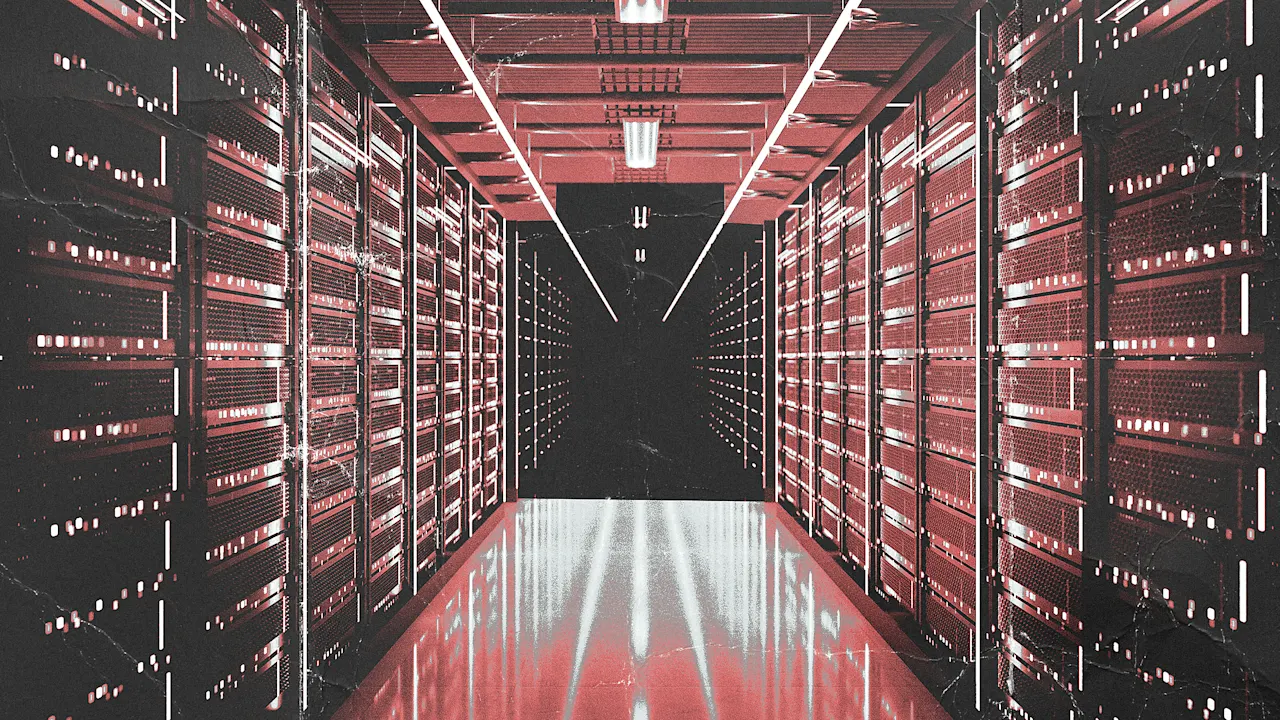
FastCompany: Every time you ask ChatGPT to draft an email, or prompt an AI assistant to help you decide which refrigerator to buy—somewhere, a data center hums to life to make it happen. These facilities, which can span the size of a small city, are the unglamorous physical infrastructure behind the AI revolution. They’re cavernous buildings packed with servers, cooled by industrial systems, drawing power at a scale that strains local electrical grids. What almost no one talks about is the human beings building them.
To construct a single data center , developers source millions of tons of concrete, steel, copper, lithium, and critical metals from supply chains that stretch across dozens of countries. At the far end of those chains—in mines, smelters, and materials processing facilities—labor conditions are often opaque, and in some cases, deeply troubling. The industry has made notable progress on tracking its carbon footprint. It has made almost none on tracking whether the workers who made its buildings possible were free or enslaved.
That gap was at the center of a pointed panel conversation last week at Grace Farms, the award-winning cultural and humanitarian center in New Canaan, Connecticut, where executives from Google and Bloomberg joined the leader of a prominent data center trade association to reckon with a simple, uncomfortable question: At a moment when the tech industry is building faster than it ever has, who is paying the human cost?
[Photo: Melani Lust] Design for Freedom Grace Farms’ Design for Freedom initiative, launched in 2020 by CEO and founder Sharon Prince, is a global movement to eliminate forced and child labor from the building materials supply chain. Its annual summit convenes leaders from architecture, engineering, construction, tech, government, and real estate to advance what the organization describes as a movement toward a more humane built environment. This year, the data center industry was one of its most urgent focal points—and the people in the room to address it had real power to do something about it.
Sharon Prince [Photo: Melani Lust] The numbers are staggering. There are currently around 5,000 data centers in the United States, with Germany, the U.K., and China following behind. Global data center capacity is projected to grow 14% annually, with approximately 100 gigawatts of new capacity coming online by 2030, effectively doubling the sector in just five years. The U.S. data center construction market alone is projected to reach $112 billion in that same timeframe, which equates to $1.2 trillion in real estate value creation.
“The growth of data centers over the last three years is more than we’ve seen in the last 30,” said Miranda Gardiner, executive director of the I-Masons Climate Accord, a trade association focused on emissions reductions and sustainability in the data center sector. “To say that this is a problem and opportunity for all of us is maybe an understatement.” Nora Rizzo , Dave Wildman , Miranda Gardiner , Noah Goldstein [Photo: Melani Lust] The Power of the Purse The biggest technology companies are currently the largest and most active construction clients in the world.
Article truncated for readability. Read the full piece →
The article addresses a significant issue within the tech industry that affects brand reputation and ethical practices, making it highly relevant and impactful for brand strategy professionals, while the novelty is moderate as discussions around labor conditions are not entirely new.
Weekly digest
Get the Signal digest
Every Monday morning — the top 3 brand trends, 10 high-signal articles, and one emerging signal to watch.
No spam. Unsubscribe anytime.