Score
Sawako Kabuki On Butts Bodily Fluids And Making Work That Refuses To Behave
Sawako Kabuki's unique approach to animation, focusing on bodily themes and frankness, challenges traditional norms in the industry. Her work emphasizes authenticity and personal expression, suggesting that brands should embrace unconventional narratives to resonate with audiences, particularly younger ones. This strategy can foster deeper connections and loyalty by appealing to instinctive human curiosities rather than solely aiming for explicit messages.
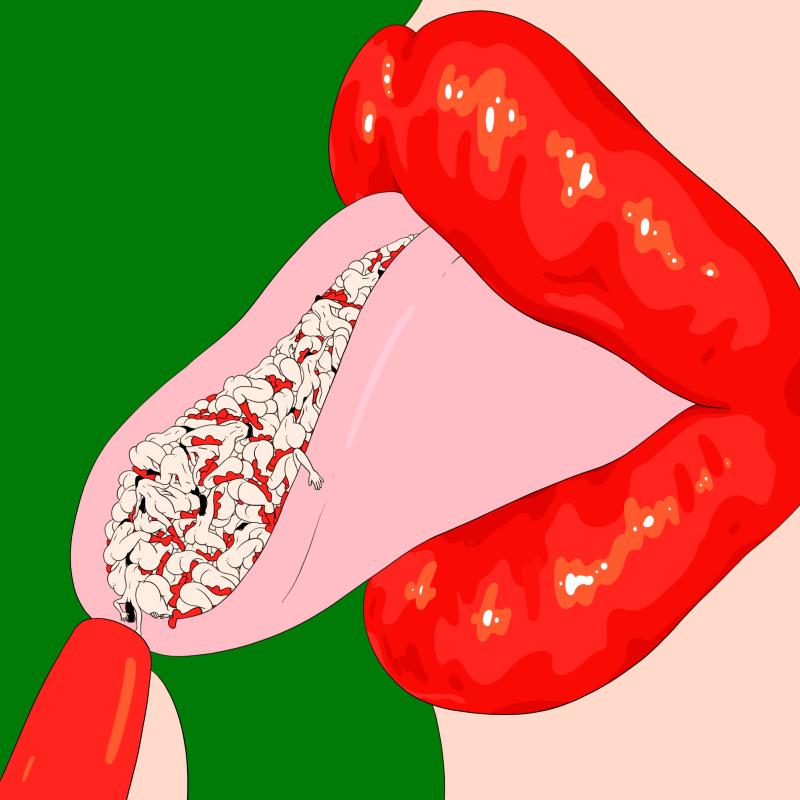
Creative Boom: Inspiration Motion Sawako Kabuki on butts, bodily fluids and making work that refuses to behave The Tokyo- and New York-based animator has taken the rudest, most bodily subjects imaginable and won at Annecy, SXSW, and Ottawa doing so. She tells Creative Boom why she never chose these obsessions, why she's making work "kids can get addicted to", and why some things are better left unexpressed. Written By: Katy Cowan 20 July 2026 Bottoms, bodily fluids, cells, sex, and the smelly and unruly business of having a body at all. It's not the subject matter most animators build an internationally decorated career on.
And yet here is Sawako Kabuki, with a jury award at Annecy, recognition at SXSW and Ottawa, and clients including Google and Adult Swim, doing just that. Her solo shows carry titles like Butt Therapy and Everything Leaks. Her characters all share one soft, unmistakable human quality. And she has never once apologised for any of it. What's most disarming, though, when you actually talk to her, is how little of this was part of the original plan. Kabuki didn't set out to be provocative. She didn't even have her sights on animation.
Before the films, she was an assistant director for an adult video company: "I was interested in live-action filmmaking and once thought I might become a film director, so the job taught me a lot about how a set actually works," she says. "But I also realised I'm not suited to working with large crews, giving constant instructions, or shouting 'Action!' and 'Cut!' Animation suits me much better because, in most cases, I can make it almost entirely on my own." You get the impression that she learned more on set than she ever did at art school. And the pull towards working alone has shaped everything she's done since.
So when did she realise that bottoms and bodily fluids were her actual subject matter, and not a phase she'd grow out of? "Maybe I still haven't," she says. "I never consciously chose these subjects. They just keep finding their way back into my work. I've simply never grown tired of them. I never consciously chose these subjects. They just keep finding their way back into my work." There's no grand plan behind it, then. She's just never got bored with this stuff, and it shows in everything she makes. Kabuki has said she wants to create "something kids can get addicted to", which is a striking ambition for work this frank.
Why aim at people in their formative years, rather than simply making a point? "The things I saw as a child, especially during those formative years, had a huge influence on who I am today," she explains. "I'd love to make work that stays with someone in the same way, for better or worse." The key, for her, is that it goes beyond argument. "I think kids are drawn to things they become obsessed with. It's not about explaining an idea or making a point. It goes beyond logic and simply pulls you in.
I'd love to create something like that." Those instantly recognisable characters, all sharing one body shape, trace back to her own insecurities growing up. So, has drawing them thousands of times changed how she feels about her own body? She's refreshingly honest that it hasn't resolved anything. "I'm not really sure. I still don't know how I feel about my own body," she says. "I think the best body is the one that feels right to you, but I'm not even sure what that means for me yet.
Article truncated for readability. Read the full piece →
Sawako Kabuki's approach offers a fresh perspective on brand storytelling by emphasizing authenticity and unconventional narratives, which can significantly influence brand strategies in connecting with younger audiences.