Score
Sprite’s brand refresh is juicy, crispy, and ready to drink
Sprite's brand refresh aims to enhance its appeal to younger consumers by reintroducing sensory elements that capture the experience of drinking the beverage. The campaign, 'It’s That Fresh,' combines updated visuals, an iconic symbol, and sonic branding to reinvigorate the brand's identity and strengthen its presence in music, food, and sports, ultimately positioning Sprite as a leader in the competitive soft drink market.
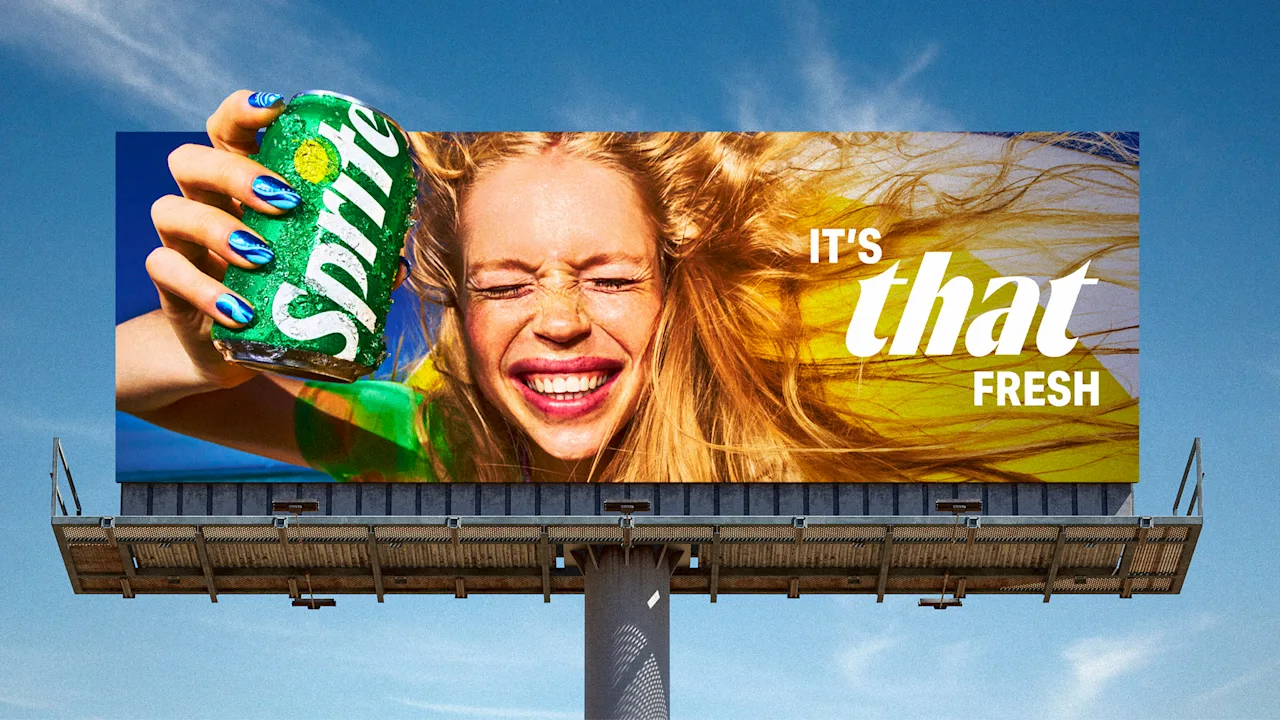
FastCompany: If you’ve ever cracked open an ice-cold Sprite on a hot summer day, or taken a sip of the soda fresh from a McDonald’s machine, you’ve probably experienced that eye-widening first moment that the extra-fizzy, citrusy beverage hits your tongue. That exact second is what Sprite is trying to capture with its new brand refresh, which includes the return of a beloved brand symbol, an updated logo, new visuals, and the brand’s first-ever signature sound.
These updates are part of a broader campaign called “It’s That Fresh,” which Sprite says is designed to appeal to younger consumers by strengthening the brand’s presence in music, food, and sports spheres (Sprite also revealed that it will be returning to the NBA as its official beverage partner after a multi-year hiatus). The updated packaging will begin rolling out globally across the Sprite and Sprite Zero lines later this year. For Sprite, this whole campaign is clearly a major marketing investment aimed at bringing the brand back into the public consciousness.
On the aesthetic side, the brand is tapping into one of its most valuable assets—the sensory experience of drinking a Sprite—to bring some life back into its brand. Sprite’s a number one soft drink, but its brand didn’t pop [Photo: Sprite] According to Oana Vlad, VP of Sprite’s global brand, Sprite currently reigns as the “number one lemon-lime soft drink in the world.” Its competitors include big names like 7-Up and Starry (formerly Sierra Mist), as well as a more recent wave of pre- and probiotic soda entrants (see Poppi , Olipop , and Slice ‘s take on lemon-lime, for example) vying to sweep up the growing consumer base that’s turning away
from traditional soda in favor of healthier “functional” beverages. But Sprite’s look didn’t necessarily reflect that number one status. Since its national launch in 1961, Sprite has had around a dozen different rebrands, more than half of which have taken place since 2002. Over time, the brand slowly whittled down its visual assets to the point that, after its most recent 2022 rebrand by Turner Duckworth, the logo simply became the word “Sprite,” which appeared in horizontal white font on an ultra-plain green can.
Former Design [Photo: Sprite] Re-enter the iconic ‘Lymon’ This simplification resulted in a brand identity that didn’t say much of anything about what it’s like to pop open a can of Sprite. It was time to bring some sensory details back into the beverage’s branding, according to Oana Vlad, VP of Sprite’s global brand. [Photo: Sprite] “What people really love about Sprite’s refreshment, that’s sometimes referred to as lightning or electricity, is that crisp lemon-lime taste, the intense carbonation, and the clear liquid,” Vlad says. “Those three things combined make the product special.
A lot of the visual identity changes are meant to make that very clear.” [Photo: Sprite] The most obvious difference in Sprite’s updated branding—designed through a collaboration between Sprite’s internal team and the creative agency forpeople —is the return of its iconic “Lymon.” This custom symbol, which is a mash-up of a lemon and a lime, was a hallmark of the brand from 1989 to 2021. Vlad says that multiple rounds of testing showed that customers still had a deep sensory connection between the symbol of the Lymon and the taste of Sprite, which made it a key part of this new look.
Article truncated for readability. Read the full piece →
Sprite's significant brand refresh targeting younger consumers through innovative sensory elements and a comprehensive campaign strategy is highly impactful and relevant to brand strategy professionals, while the approach of combining visuals and sonic branding, though not entirely new, adds a refreshing twist.
Weekly digest
Get the Signal digest
Every Monday morning — the top 3 brand trends, 10 high-signal articles, and one emerging signal to watch.
No spam. Unsubscribe anytime.