Score
At last, Apple joins the war against fake AI images
Apple's introduction of the Reference Image technology in the iPhone 18 Pro represents a significant shift in brand strategy, focusing on restoring trust in digital imagery amidst the rise of AI-generated content. By implementing cryptographic signatures at the sensor level, Apple positions itself as a leader in authenticity and security, potentially influencing industry standards and consumer expectations around image verification.
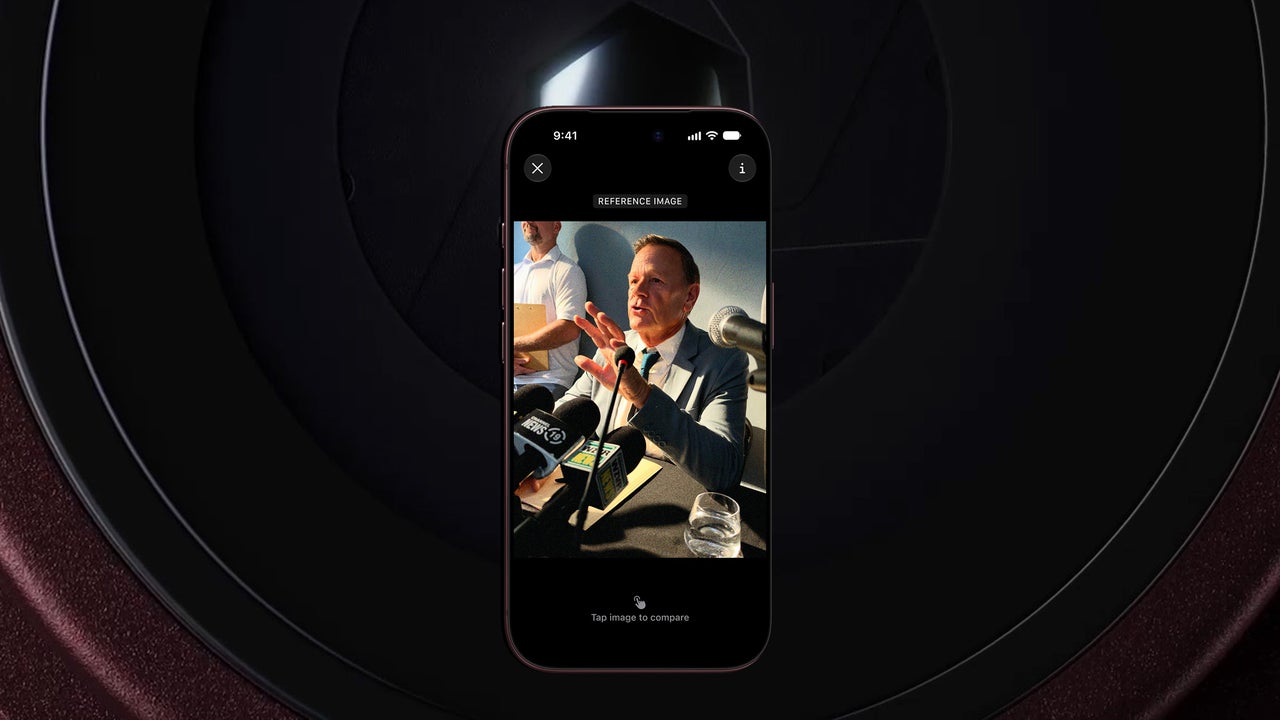
FastCompany: Reality is crumbling at the hands of generative AI users , to the point where most people don’t trust what they see online anymore. Apple has come up with a technology to fix that: Apple Reference Image. It comes with the new iPhone 18 Pro models, and when enabled, it lets the camera’s new sensor cryptographically sign “every pixel it sees” when you take a photo, according to Apple. When you shoot in the new Reference mode, the iPhone’s camera sensor cryptographically signs each pixel in the image—something no other phone or camera on the market does.
Apple’s secure servers then develop that signed sensor data into what the company calls an “unalterable reference image” that lives next to your editable picture, “like a digital negative,” in the company’s words. It can create the necessary pressure for the entire industry to protect reality at the hardware level rather than guessing at fakes with unreliable AI detectors. And that could be the key to reclaiming our trust in images on a global scale.
[Images: Apple] The need to certify reality Back in March, researchers at ETH Zurich built a working prototype of a sensor chip that does the same and then some, stamping a similar cryptographic signature the instant data is captured. The design places the hashing and signing circuitry inside the same piece of silicon as the pixels themselves, so the data carries its signature from the moment it comes into existence—there is no gap in which it can be tampered with. That is the same property Apple now claims for its new sensor.
“If data is signed the moment it is captured, any later manipulation leaves traces,” explained ETH Zurich researcher Fernando Cardes, when the invention was introduced. He noted that forging it would require a physical attack on the chip so costly that “the mass generation of manipulated content for social media platforms would be practically impossible.” ETH Zurich’s chip remains a laboratory prototype (a patent application has been filed, but it is not yet commercialized).
Meanwhile, Apple’s is the first real-world commercial implementation of sensor-level security at this scale, from a company that sells hundreds of millions of cameras every year. When you turn Apple Reference Image on—it is switched off by default and requires a trip to the camera settings, sadly—and shoot in Reference mode, the shutter triggers a cryptographic process that signs the raw sensor data together with unique hardware identifiers tied to the actual camera module.
According to analyses of the iOS 27 beta code that revealed the feature, this happens inside the Secure Enclave (the iPhone’s dedicated security chip) before the image leaves the camera pipeline. Nothing else touches it. No app. No external process. It all happens in an instant, and it is, in theory, untouchable. The check starts when you tap the badge on an image in Photos or a compatible app: The iPhone sends the raw frame, the sensor signatures, the capture timing, and a file hash to Private Cloud Compute over an encrypted channel.
Article truncated for readability. Read the full piece →
Apple's initiative to combat fake AI images is a significant development in brand strategy that addresses growing concerns about digital authenticity, making it highly impactful and relevant to industry professionals.