Score
Why A Stylist And Her Crew Built A Magazine Instead Of Just Moaning About Ai
The creation of MISC magazine by Anna May and her team represents a shift in brand strategy towards authenticity and human connection in response to the rise of AI in the creative industry. By prioritizing physical print and collaborative creativity over commercial intent, MISC serves as a platform for artists to express themselves and push back against the impersonal nature of digital media, highlighting the importance of genuine engagement in branding.
Creative Boom: Inspiration Art & Culture Why a stylist and her crew built a magazine instead of just moaning about AI In response to AI's rapid takeover of editorial imagery, Anna May and the team behind MISC magazine made something physical and human. Here's why. Written By: Tom May 25 June 2026 Most of us in the creative industries have spent this year complaining about AI in one form or another, whether that's over a pint in the bar or in the comments online. What's harder is doing something about it.
But that's exactly what fashion stylist Anna May and a small crew of photographers, makeup artists and an art director have done with MISC, a self-funded print magazine now on its second issue. Anna's day job sits across e-commerce and commercial styling; the kind of work that pays the bills but rarely leaves much room for creative risk. "That's the reason why I started the magazine: I couldn't be as creative as you can be when you're doing commercial work," she explains.
"It's a personal project, and it's the same for the other creatives involved, because we all felt the same way while working together." The whole thing kicked off from a fairly random conversation. Anna was working with a makeup artist, who introduced her to an art director, who'd previously put together a magazine for a client. From there, MISC was born. When the team were brainstorming names, the art director saw a label on a box saying 'misc', and the title stuck. Let's do it What's striking about the new publication is how unstructured its founding was. There was no mission statement drafted in advance, no business strategy behind it.
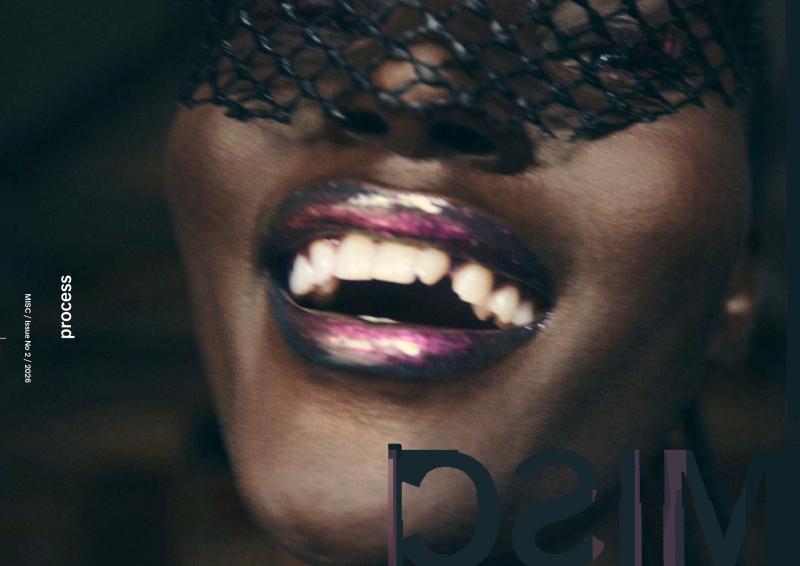
"We just thought: let's do it," recalls Anna. "It was simply about creating something and building a platform other creatives could join too." That ethos extends to how the magazine is produced. "It's entirely self-funded," Anna adds. "We ask for favours, and everyone who contributes does it in their own time, for free." They've just released issue two, titled Process, which moves beyond fashion to bring in interviews with artists and makers from across the creative spectrum. These include tattoo artist Thomas Hooper, Lincolnshire-based artist Kate Genever and bespoke tailor Gordon Webber.
"We never wanted it to be purely a fashion magazine," Anna notes. "It's really more about art in a broader sense." The most telling detail is that MISC was never meant to be a commercial product at all. "We were thrilled that Unitom decided to stock it," says Anna (you can buy issue 2 here). "But selling the magazine was never really the intention." The original plan was simply to print copies and send them to producers and art directors whose work the team admired, partly as a reaction against how disposable digital images have become. "Everything feels like it's about the screen now, and it's all so instant," she says.
"You see an image, and within seconds you've moved on to the next one, without really taking it in. For us, it was purely about seeing our own work in print." Ironically, that low-key approach paid off in ways nobody expected. "I've actually picked up work from sending it out to art directors, which was never the intention," Anna says. The AI conversation And this gets to the heart of why MISC matters right now. "AI is one of the main reasons everyone on the team wanted to do this," says Anna.
Article truncated for readability. Read the full piece →
The article discusses a significant shift in brand strategy towards authenticity in response to AI, which is highly relevant and impactful for brand professionals navigating the evolving creative landscape.