Score
How caffeine became the new protein
The article discusses the rising trend of incorporating caffeine into a variety of food and beverage products, moving beyond traditional coffee and energy drinks to items like caffeinated trail mix, beef jerky, and chocolates. This shift reflects a broader consumer demand for functional foods that offer specific benefits, such as increased focus and productivity. Brand strategists can take note of this trend towards functional ingredients, as it highlights the importance of transparency and clear communication of product benefits on packaging to meet evolving consumer expectations.
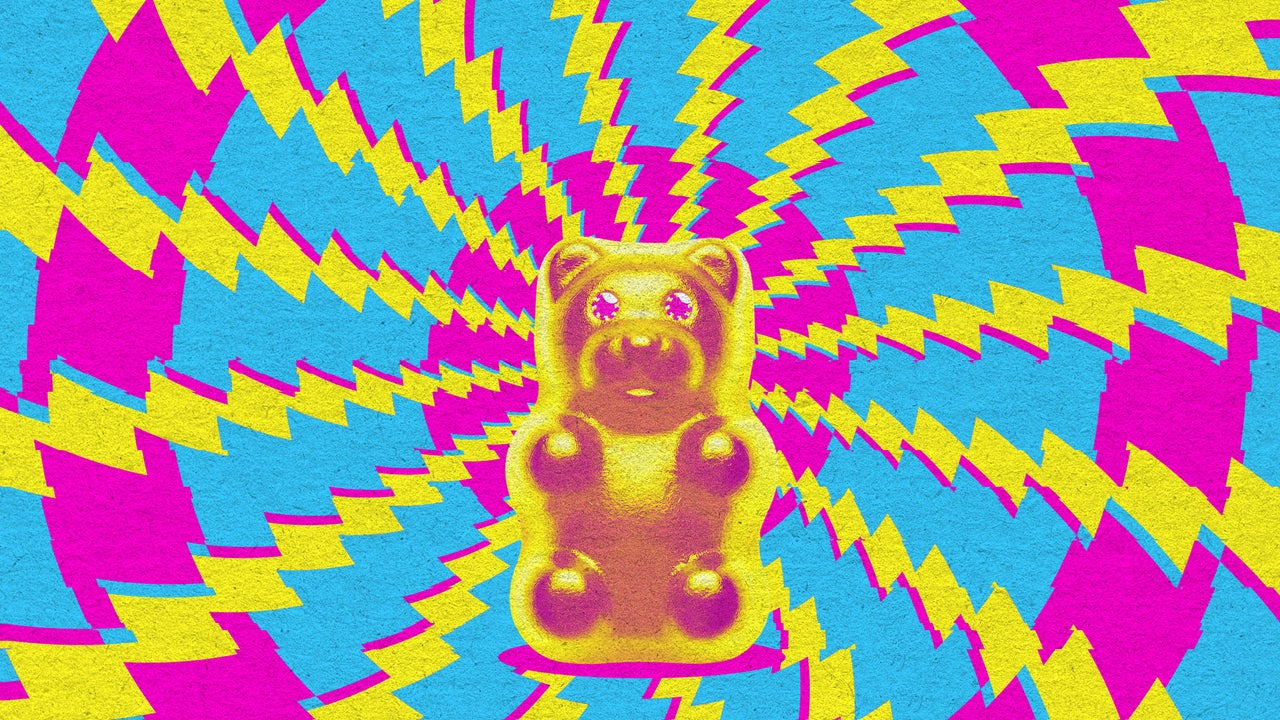
FastCompany: You probably start your morning with some coffee to get your brain online. Classic choice. But for many of us, that buzz lasts only so long. When your energy begins to flag, you could pull some caffeinated trail mix out of your desk drawer as a midmorning snack. Come lunchtime, to make sure you’re really gleaning every possible benefit from your meals, you could add some caffeinated beef jerky. And then, when your focus inevitably lags in the afternoon, you could munch on caffeinated gummy bears or some bite-sized chocolate with, you guessed it, caffeine.
Caffeine, long the most widely consumed psychoactive drug on the planet, is finding its way into a bevy of unexpected foods and drinks. This caffeine creep is part of a larger, decade-plus trend towards functional foods and drinks (hello proteinmaxxing and fibermaxxing ). Liz Moskow, food futurist and principal of the food consultancy Bread & Circus, characterizes the pivot towards functional foods and drinks as part of “the optimization of everything.” It isn’t enough to just enjoy eating a piece of chocolate. That chocolate needs to improve gut health or memory or provide some other key benefit. “Enter caffeine,” Moscow says.
“It’s a cheap additive. It boosts metabolism. It gives you that quick hit that you feel.” [Photos: Monster, Red Bull, Celsius] THE CAFFEINE BOOST People have been drinking coffee and tea for centuries, but the turbocharged caffeine of energy drinks is a product of modern life. Red Bull made it to the United States in 1997, followed by Monster five years later. These days, Celsius is king . According to Morgan Stanley , spending on caffeinated beverages in the U.S. is slated to grow 6% annually through 2030, a quicker pace than the overall food industry, with energy drinks leading the way.
(Unlike many other food categories, energy drinks get a boost from people who use GLP-1s, according to the investment bank.) This growth is tied to customers shopping for “benefits and outcomes,” says Sally Lyons Wyatt, chief advisor for consumer goods and food service at the market research firm Circana. “Consumers aren’t really looking for coffee. They’re looking for focus. They’re looking for productivity .” Imbuing functionality into an everyday products is what led the founders of Orka Beverage to develop their caffeinated water brand. They saw an opening for an energy drink with fewer bells and whistles.
“Every single one felt like a super-sweet soda,” says Michael Moriarty, an Orka cofounder. “The question that presented itself was just, why can’t we just take the caffeine from these energy drinks and put in water? Give us what we want, which is the caffeine, with just the least amount of stuff in it.” [Photo: Orka] The packaging of Orka—a clear can that boasts its 150 milligrams of caffeine on the label—also looks distinct from many of the other offerings in the energy drink aisle. The transparent packaging is meant to show shoppers that the beverage within looks like water, not an energy drink.
The relative simplicity of the can evokes a wellness product. Matt Sia, executive creative director at the brand agency Pearlfisher, says most energy drinks are packaged with a certain “level of intensity”: fluorescent or bright colors, lightning bolts, associations with high speed vehicles. But he suspects that will change, he says, because it “goes at odds with wellness and the health benefits that people are a lot more conscious of.
Article truncated for readability. Read the full piece →
The article highlights a significant trend in the food and beverage industry that brand strategists should consider, particularly in the context of functional ingredients and evolving consumer preferences.
Weekly digest
Get the Signal digest
Every Monday morning — the top 3 brand trends, 10 high-signal articles, and one emerging signal to watch.
No spam. Unsubscribe anytime.