Score
Were Not Here To Beg For A Seat How Victoria Montgomery And Tamira Hamden Built Women In Brand
The article highlights the founders of Women in Brand, Victoria Montgomery and Tamira Hamden, and their mission to create an inclusive community for women in branding and marketing. Their approach emphasizes the importance of representation, collaboration, and storytelling in building a brand that resonates with its audience, ultimately challenging the traditional male-dominated landscape of the industry.
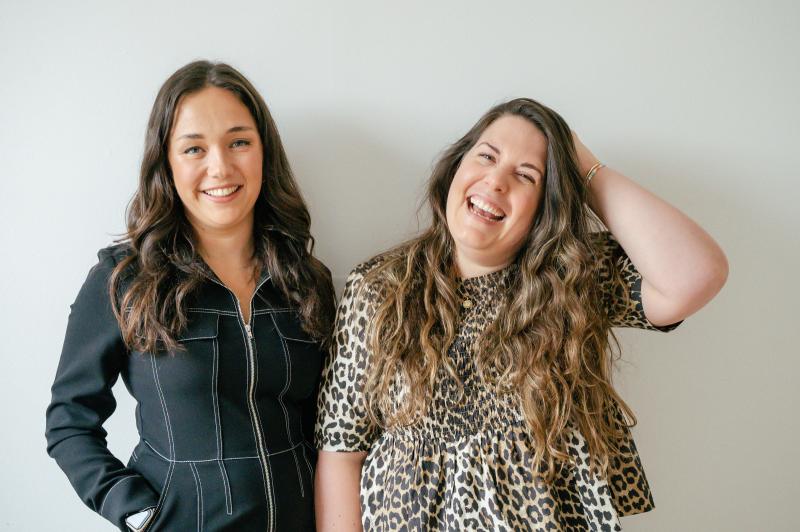
Creative Boom: Insight Creative Industry 'We're not here to beg for a seat': how Victoria Montgomery & Tamira Hamden built Women in Brand The founders of the branding world's fastest-growing sisterhood on impostor syndrome, a cheetah called Beyoncé, and why they stopped tiptoeing around their big idea and started shouting. Written By: Katy Cowan 6 August 2026 Picture an awards ceremony in London three years ago. Round tables of ten, and at nearly every one the same arrangement: eight women huddled together, clapping, nervous and excited, sipping a drink while the winners are read out.
And then, somehow forming the "head" of each round table, two men on their phones, looking up only when a winning agency is called, at which point they go to collect the trophy and pose for the cameras. Most of those eight women wait back at the table to congratulate them on their return. "I felt like I was in an episode of Mad Men," says Tamira Hamden. "And not in a fun, sexy way. Just… awful." She was there as a client guest, her own brand nominated. What she remembers is the maths of the room.
"I was trying to reconcile being 60 years on from when that was set, and having moved barely anywhere." Three years on, that night has become Women in Brand – a global community for women in brand strategy, marketing and design that more than 5,000 of them have now joined, with events from Birmingham to Sydney, an annual Summit, a podcast, and a rallying cry printed across the top of the site: "Brand isn't a boy's club anymore." Or, as the founders put it: "We're not here to beg for a seat.
We're building our own table." I sat down with Tamira and her co-founder Victoria Montgomery to find out how you build a brand for brand people (the toughest audience going, surely), what it costs to run a community on top of two full-time jobs, and why they very nearly didn't. Whispering, then shouting For a long time, Women in Brand was an exciting idea they talked about rather than something they actually did. What was holding them back? "Honestly, I wish I had a more interesting answer than 'perfectionism'," she says. "Well, maybe I do – maybe I am honest and say what always sits behind perfectionism: fear.
Impostor syndrome, our old friend. Why should it be us that built this thing? How could we ever hope to take on something as systemic as representation in an industry which lives and breathes on nepotism and gatekeeping?" The kick up the backside, as it turned out, came from a complete stranger. The three of them – Victoria, Tamira and Mimi Hayton – met at a branding conference in Lisbon. "Mimi has this incredible way of calling bullshit quite quickly," Tamira says, "even and especially when the bullshit is our own baggage." She became their first proof of concept, the validation that there was something here worth building.
"We got chatting, she said 'I'm in, you have to make this happen'." A few months later, in a café in East Oxford, Mimi sat down with them and sketched out their first roadmap. She's now their content lead, and their lead for Manchester. The 'who' and the 'where' Building something genuinely inclusive meant wrestling with two dilemmas early on: whether to stipulate gender identity at all, and whether being London-centric would reinforce all the wrong ideas about what a brand career has to look like. Victoria is clear on the first one.
Article truncated for readability. Read the full piece →
The article discusses a significant initiative aimed at increasing representation in the branding industry, which is impactful and relevant, though the focus on women's inclusion is becoming more common.