Score
Why these kids’ brands are racing to sell you secondhand goods
The rise of secondhand markets for children's products is reshaping brand strategies, as companies like Woom and Hanna Andersson recognize the potential for resale to drive revenue and customer loyalty. By partnering with specialists like Archive, these brands are creating trusted resale platforms that not only enhance sustainability efforts but also tap into a growing consumer demand for high-quality, secondhand goods.
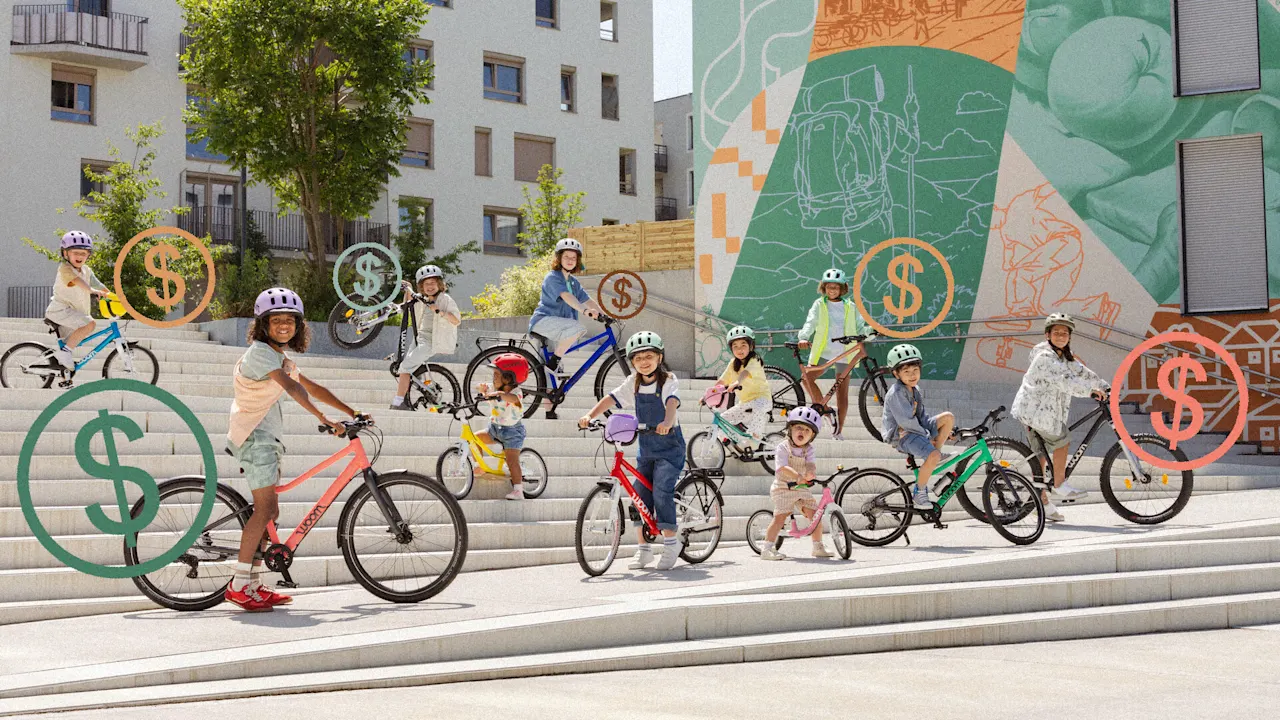
FastCompany: Your four-year-old needs a bike. The cheap ones from a big box store will work, sure—but they’ll be heavy, clunky, and harder for them to learn on. The premium Woom bike weighs half as much—but it costs $400. You want the best for your kid, but do you want to drop that much for something they’ll use for a few months? With a bit of internet sleuthing, you might come across an alternative. There’s a 50,000-person Facebook group devoted entirely to buying, selling, and trading used Woom bikes across the United States. And the brand noticed this group bubbling up.
But Facebook Marketplace has limitations—transactions aren’t always secure, and buyers can’t easily search for specific models in their area. So the company has just launched its own resale platform on its website (it’s currently building up inventory). “Now you have a trusted way to feel comfortable,” says Lindsey Markus-Yosha, Woom’s U.S. head of marketing . “This is a way to have it backed by the brand and really showcase that long-term value of our bikes.” Woom is part of a broader trend.
Over the last few years, parents have realized that they don’t need to choose between cheap, low-quality products and pricey, high-end products for their kids. Instead, 60% of American parents are now buying secondhand goods. The kids and baby resale market is projected to hit $12.8 billion by 2030, up from $7 billion in 2021. Now, premium brands like Woom want a piece of the action. It would be too costly and labor intensive to build a secondhand program themselves, so they’re partnering with Archive, a company with expertise in helping brands get resale up and running quickly.
Archive has been focused on the children’s market, launching secondhand sites for the toy brand Lovevery and the clothing label Hanna Andersson . With each brand, the ultimate goal is to make resale a revenue driver. In the past, many brands saw secondhand as a threat to their business. Today, there’s a growing sense that it’s a gold mine to be claimed. [Photo: Lovevery] The Infrastructure Problem Ryan Rowe started Archive in 2020 with cofounder Emily Gittins with the goal of creating a better system.
Many eco-friendly brands wanted to launch their own secondhand programs, but it was prohibitively expensive to build the resale websites and infrastructure needed. “Only the biggest brands who had some very specific sustainability mission around it were able to enter the resale space,” Rowe explains, referring to labels like Patagonia and Eileen Fisher. “For everybody else, it was a very cost-intensive thing to do.” Archive’s business model was simple: make resale accessible to more brands by driving down costs through scale and offering flexibility. Their first customer was M.M.LaFleur, a women’s workwear brand.
But the kids’ category quickly became a sweet spot. Children outgrow everything, parents hate waste, and quality products hold value even after multiple kids have used them. The company now offers three distinct models. For Woom, it’s peer to peer: Parents list their used bikes, other parents buy them locally, and the brand facilitates the transaction. Bikes are bulky and expensive to ship, but parents are willing to drive 20 minutes to save $200 on a premium product. For other brands, Archive handles logistics. They collect returned inventory, inspect it, photograph it, and manage the entire resale storefront.
Article truncated for readability. Read the full piece →
The article discusses a significant trend in the brand strategy landscape, focusing on the growing importance of secondhand markets for children's products, which is highly relevant for brand professionals looking to innovate and engage with sustainability.
Weekly digest
Get the Signal digest
Every Monday morning — the top 3 brand trends, 10 high-signal articles, and one emerging signal to watch.
No spam. Unsubscribe anytime.