Score
Why Pinterest is telling you to ditch the app and go to a rave
Pinterest's latest campaign encourages users to prioritize real-life experiences over digital consumption, positioning the platform as a source of inspiration rather than a time sink. This strategy aims to differentiate Pinterest from other social media platforms by promoting quality engagement, which has proven effective in boosting user activity and revenue.
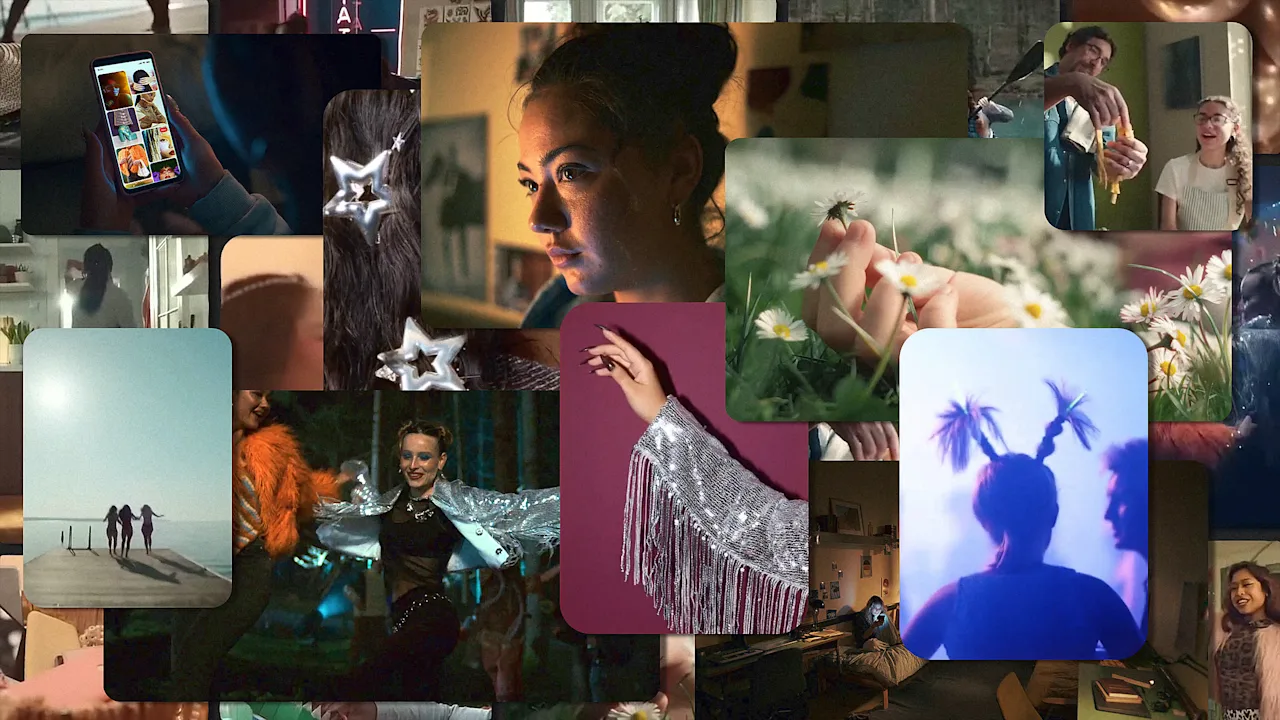
FastCompany: Pinterest’s newest ad starts with two young women doomscrolling in the dark. It’s a familiar nightly ritual for millions. As one of them slumps on the bed in a Reels-induced semicoma, the other gets an idea and opens . . . you guessed it, Pinterest. Suddenly, an energetic dance track fills the room, and the two are inspired to get their best ’fits together for a night out.
It ends with the tagline, “The best thing you can find online is a reason to go offline.” When the business model for every other social platform revolves around your attention and time spent as their primary product for brand advertising dollars, this may feel like a counterintuitive strategy. “If you listen to Gen Z about why they come, they say . . . ‘Pinterest is where I can figure out who I want to be, not who the internet tells me I’m supposed to be,’” says Pinterest CMO Claudine Cheever. “That sentiment resonates with a much broader audience.
The opportunity with the brand campaign was to take a much more pointed, clear stance on that the internet should be there to help you, and it should be about time well spent, not a lot of time spent.” Of course the real motivation is to pitch time on Pinterest as quality over quantity, not just to users but also brand partners. Cheever says 96% of user searches on Pinterest are unbranded, which means people are looking for inspiration, and brands have an opportunity to supply it. “This is a platform where people look for brands, they don’t scroll past them,” Cheever says. “It’s actually an incredibly ripe place for advertisers.
So it’s about sharpening both of those narratives on the user and the commercial side.” And it’s working. On May 4, Pinterest reported that Q1 2026 was its first billion-dollar quarter, with revenue up 18% year on year, and global monthly active users up 11% to 631 million. Consistency is key At Coachella in April, as many complained the festival had devolved into the influencer Olympics, Pinterest’s presence encouraged people to be phone-free for the event. Model and creator Quenlin Blackwell was the face of this work , somehow making not scrolling on your phone at a marquee music event sound like a cheery episode of Naked and Afraid .
As corny as the Coachella campaign may be to anyone over 30, Pinterest’s commitment to differentiating itself from other social platforms when it comes to monetizing attention is consistent. In 2019, then-CMO Andrea Mallard told Adweek that the brand positioned itself as a refuge from the toxicity of social media. “We believe that Pinterest is one of the few truly positive corners of the internet,” Mallard said. “We actively work to cultivate a space that’s firmly about inspiration. . . .
It’s more important than ever to continue to protect this vision, because we’ve seen that technology has a powerful role to play in shaping culture, opinion, and politics.” Pinterest CEO Bill Ready has publicly supported teenage social media bans , while in March, Meta and Youtube were found negligent for design features that made their platforms addictive. Cheever says the long-term consistent message and brand positioning around quality time over quantity of time, which the new campaign is building on, is reflected in how Pinterest is reaping the rewards of the 80 billion monthly searches users make on its platform.
Article truncated for readability. Read the full piece →
Pinterest's campaign represents a significant shift in digital engagement strategies, encouraging a focus on real-life experiences, which is highly relevant for brand strategy professionals looking to enhance user engagement.