Score
Lululemon needs its ‘Gap’ moment
Lululemon is at a critical juncture, needing a revitalization akin to Gap's recent turnaround. The brand must focus on product quality and innovation to regain its cultural relevance, especially under new leadership that can inspire creativity and strategic marketing efforts.
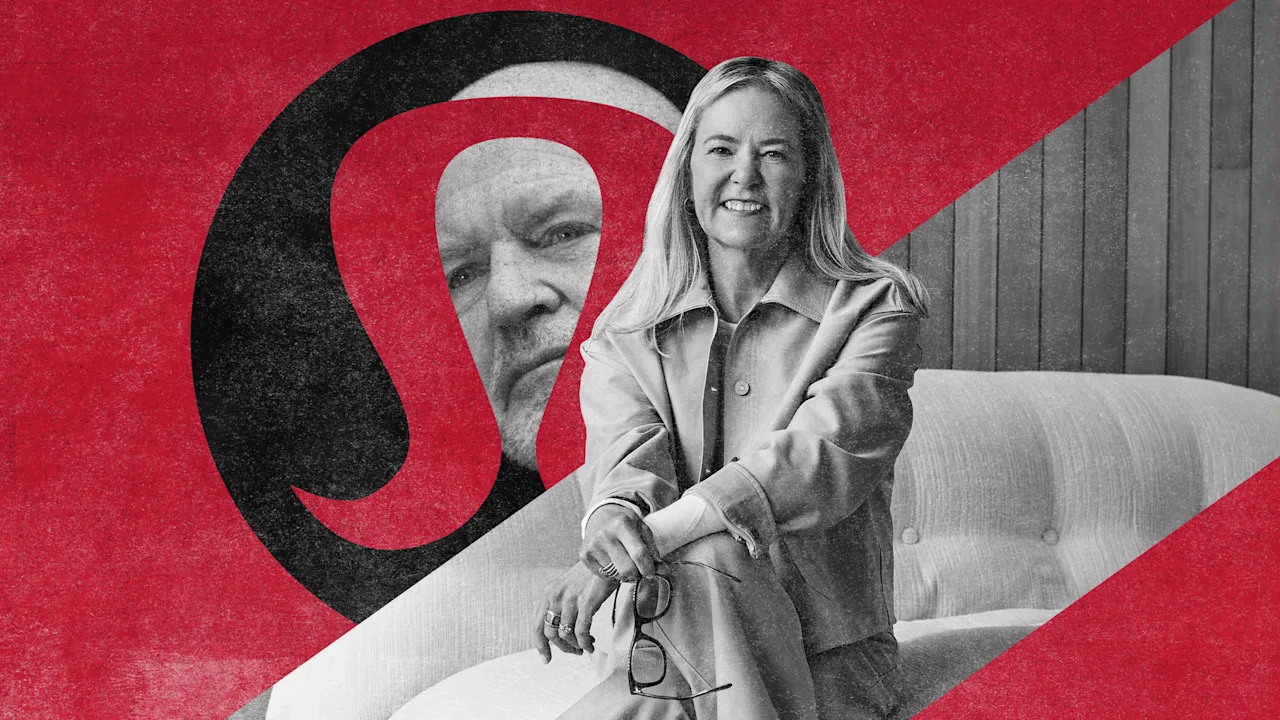
FastCompany: Heidi O’Neill is having a tough week. In late April, the Lululemon board announced it had ended its monthslong search to replace CEO Calvin McDonald, who left the company abruptly in 2025 after six years at the helm. As soon as the company announced that O’Neill, a 26-year Nike veteran, would be taking on the position, things got messy. Lululemon’s stock took a plunge, suggesting that investors didn’t think O’Neill was the right pick. And many analysts— including myself —argued that following the Nike playbook would not lead Lululemon out of its financial doldrums. Then, Lululemon founder Chip Wilson weighed in.
Wilson launched the company in 1998 as a yoga brand and left in 2005, but he has never stopped trying to stay involved, and he still wields considerable power at the company as its largest shareholder. He had made it clear that he didn’t approve of McDonald’s leadership, and in a LinkedIn post, he went after the board for choosing O’Neill, arguing they should be looking for “passionate, creative renegades who have a vision that will shake up the status quo.” Wilson’s judgment is not always right.
This is someone who once had to apologize for saying that women’s thighs rubbing together was responsible for the pilling on Lululemon leggings—a comment widely perceived to be body shaming. And last year he criticized Lululemon’s diversity, equity, and inclusion policies for welcoming customers “you don’t want . . . coming in.” But that doesn’t mean his instincts are always wrong. What Lululemon needs right now is the kind of revitalization we’re seeing at Gap —and it’s worth paying attention to how that brand pulled it off. The legacy apparel brand, founded in 1969, had gone through several years of declining sales.
But these days it’s having a moment. Over the past two years, it has had hit marketing campaigns every season, tapping stars like Young Miko, Troye Sivan, and, most notably, Katseye. Zac Posen has created a high-fashion version of the Gap label called GapStudio , which has put red-carpet garments on the backs of celebrities like Timothée Chalamet and Anne Hathaway. The brand has also launched collaborations with Béis, Dôen, and, most recently, Victoria Beckham, all huge hits.
While this kind of turnaround is the stuff brands dream of, Mark Breitbard, president and CEO of the global Gap Brand, has made it clear that it’s the result of a lot of hard work. It has also required a deep knowledge of the brand. Breitbard is not a Gap outsider. Early in his career, from 2009 to 2013, he worked as the chief merchant at Old Navy and then Gap, and later came back in 2017 to run Banana Republic. When he took on his current role in 2020, he inherited a mess. The brand had too many stores, many of them unprofitable. It also had too much inventory, which resulted in heavy discounting. The quality of clothing had declined.
“The business was broken,” Breitbard told me recently. “We had to address each of these issues with discipline. It wasn’t fun, but it laid the foundation for us to bring the brand back into the center of culture.” Product, he points out, is crucial. Despite its long history as a beloved maker of basics, Gap’s clothes had lost their luster. Breitbard, who is steeped in supply chains and merchandising, worked to improve the quality of the materials and fit. And consumers are responding. After the Katseye video, which featured retro denim styles, people rushed to Gap to buy ’90s-style jeans—and they weren’t disappointed.
Article truncated for readability. Read the full piece →
The article discusses Lululemon's need for a significant brand revitalization, which is impactful for the industry, while the comparison to Gap provides some novelty and actionable insights for brand strategy professionals.
Weekly digest
Get the Signal digest
Every Monday morning — the top 3 brand trends, 10 high-signal articles, and one emerging signal to watch.
No spam. Unsubscribe anytime.