Score
Who wants to buy NYC’s last MetroCard vending machine?
The auctioning of NYC's last MetroCard vending machines highlights the end of an era for the Metropolitan Transportation Authority and reflects a shift in brand strategy towards modern, contactless payment systems. This transition not only signifies a technological advancement but also opens up opportunities for nostalgia-driven branding and design, as these machines become collectible items representing a significant part of New York's transit history.
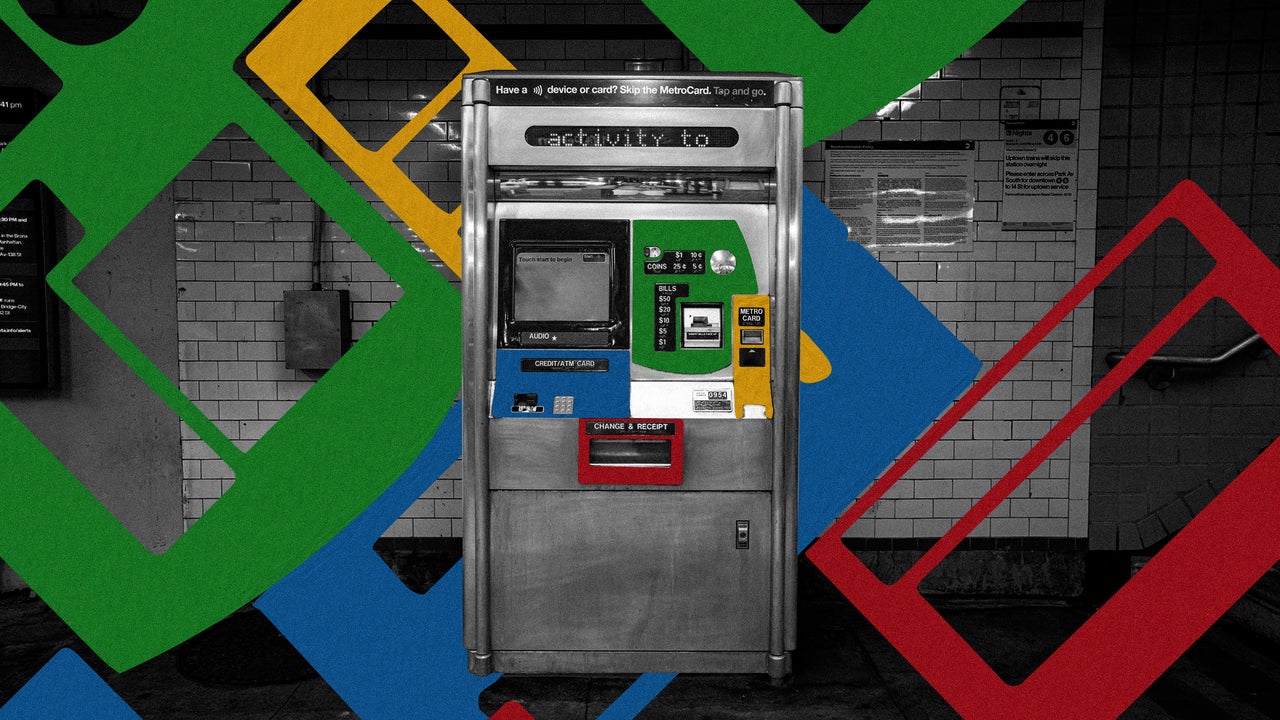
FastCompany: The last of New York City Transit’s MetroCard machines are being auctioned off to the highest bidders. The Metropolitan Transportation Authority stopped selling and refilling MetroCards at the end 2025 and retired its vending machines after that. On August 5, the agency announced it’s selling off a limited number of the iconic machines, including some MetroCard Express models. The auction is now open for online bids; all offers must be received by 8 p.m. Eastern Daylight Time on August 19. The MTA’s website does not indicate how much they’re going for.
[Photo: MTA] In 1999, Masamichi Udagawa and Sigi Moeslinger designed the original MetroCard vending machine, with additional design credit going to David Reinfurt and Kathleen Holman. The machines were made to be simple , sturdy , and intuitive to use, with a physical interface of bright-colored sections to indicate specific functions—green for cash, blue for credit cards, yellow for the card dispenser , and red for change and receipts. The screen rendered text in Helvetica Neue bold, a big, sans-serif font, and showed only one question at a time. The machines have stainless steel casing and ceramic-coated bezels designed to be vandal-proof.
As Udagawa and Moeslinger’s agency, Antenna Design, puts it, they’re hard to scratch and easy to clean. The original model is 80 inches tall, 42 inches wide, and 36 inches deep, and it’s heavy—weighing in at about 1,050 pounds. (Bidders, take note: The MTA is not offering any loading or transporting assistance.) The MetroCard Express version, which handled only credit and debit cards, is smaller and a less-hefty 210 pounds. According to the MTA, the machines are being sold as-is, in nonoperational condition, without any of their electronic or payment processing components intact.
Though New York City Transit now uses a contactless tap-and-go system, the old MetroCard machines will long be associated with America’s busiest public transit system. And soon, the iconic vendors will also make for some nostalgic interior design.
The article discusses a significant cultural shift in branding and technology within a major city, which is relevant to brand strategy professionals, while also introducing the concept of nostalgia-driven branding.