Score
Are designers to blame for our tech dystopia? It’s complicated
The article explores the complex relationship between design decisions and the ethical implications of technology, particularly in the context of social media giants like Meta and YouTube. As designers face increasing scrutiny for the impact of their features on user behavior, brand strategies must evolve to incorporate ethical considerations and accountability in design processes, ensuring that user welfare is prioritized alongside business objectives.
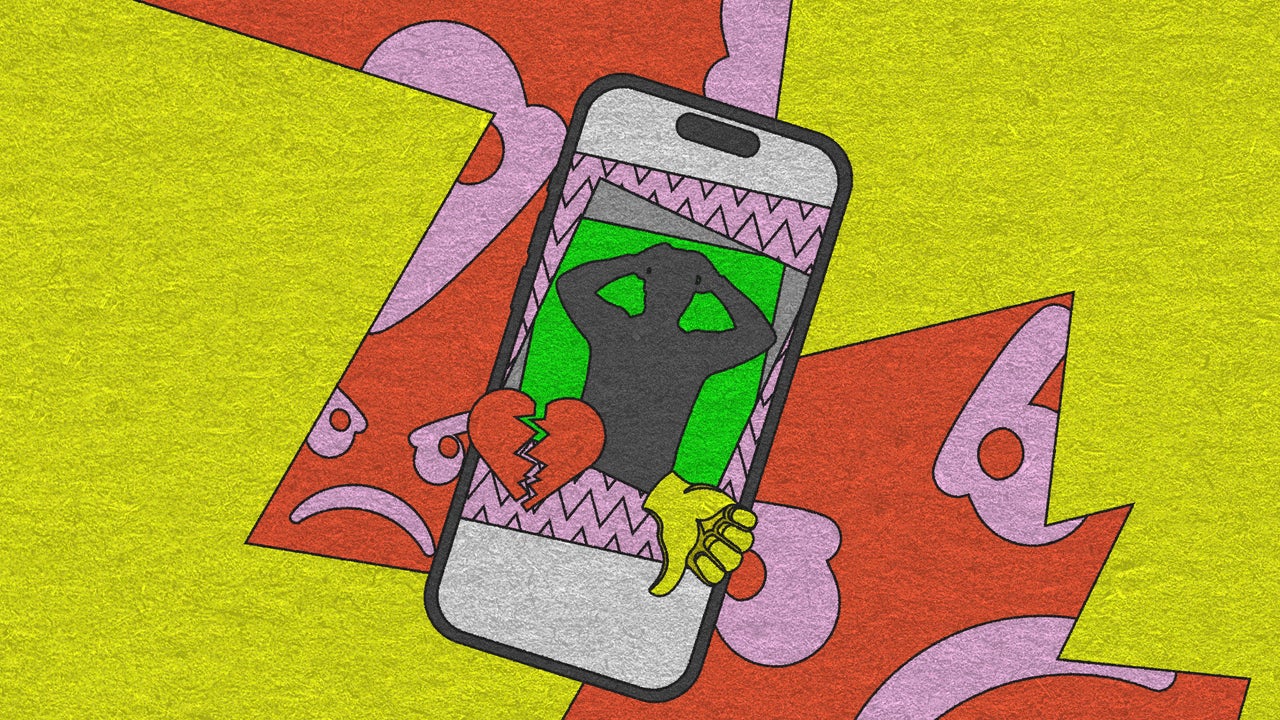
FastCompany: Should designers have known better? That’s the question I’ve been asking myself over the last few months, as the infrastructure of the modern internet has been increasingly—and rightfully—called into question. It’s been a rough year for technology, and the people who build it. Social media age restriction bans are picking up steam. Prediction markets are under fire. AI platforms are battling existential perception problems. And then, of course, there are the lawsuits. Earlier this year, courts in California and New Mexico ruled that social media companies like Meta and YouTube created products that are harmful to young people.
The two trials focused on different offenses, but came to the same conclusion. The New Mexico trial was ostensibly about Meta’s culpability around child exploitation on its platform; meanwhile, the California case focused on the harm of “addictive” product features like autoplay and infinite scroll. But both were effectively about design. “Juries in New Mexico and California have recognized that Meta’s public deception and design features are putting children in harm’s way,” Raúl Torrez, New Mexico’s attorney general, said in a statement after the verdict there. And whose fault is that?
Judging by wording alone, you’d likely assume it’s the designers who are at fault here. In the New Mexico case, the designer of infinite scroll, Aza Raskin, testified in court that he regretted his role in bringing that feature to life. Reading the headlines from these verdicts, it can seem obvious, inevitable even, that the choices designers made at some point lead to these hazards. But that simple understanding is removed from the reality of how design features actually come into being in the modern software economy.
Understanding how technology companies got to a place where their products are able to cause such harm requires an almost forensic study. At the scale of Meta and Google, it is surprisingly hard to unwind the fundamental design decisions that are encoded into their massive software stacks and sensitively tuned algorithms. Trillions have been invested in the architecture of these platforms, which makes them more like a sprawling urban transportation system than the engine of a car. And yet, the question has to be asked: What role do designers play in all of this?
In this piece I aim to shed some light on how design features come into being in the first place, whether designers should have known better, and how we might be better equipped now to anticipate similar risks given the rapidly changing nature of software in the age of artificial intelligence. WHAT ARE DESIGN FEATURES? As someone who has been working in user experience design for 30-odd years, I define design features as the conceptualization and implementation of a novel interaction—like infinite scroll or autoplay—for the benefit of a user. These features are often wrapped in a familiar metaphor to help us understand cause and effect.
They are generally tailored to support specific behaviors that create both business and user value. For example, the entire Meta empire sprang from Zuckerberg’s “loins” (like some young Greek god on the Mount Olympus of our education system) with a single design feature: to rate babes on the Harvard campus. While you may argue that that is ancient history, software remembers. Facebook has never really shed the original sin of that first design feature. The “like” button, another iconic example of a design feature, is really just another iteration of Zuckerberg’s original idea. Design features are rarely original or unique.
Article truncated for readability. Read the full piece →
The article addresses a significant issue in the design industry regarding the ethical responsibilities of designers in technology, which is highly relevant for brand strategy professionals navigating the intersection of design and user welfare.