Score
The Supreme Court just handed Trump a win for his White House ballroom project
The Supreme Court's decision to allow the continuation of Trump's $400 million ballroom project at the White House underscores the significant executive power wielded by the President in shaping national landmarks. This situation highlights the importance of navigating legal and public sentiment in brand strategy, particularly for political figures, as they seek to align their initiatives with national identity and security concerns.
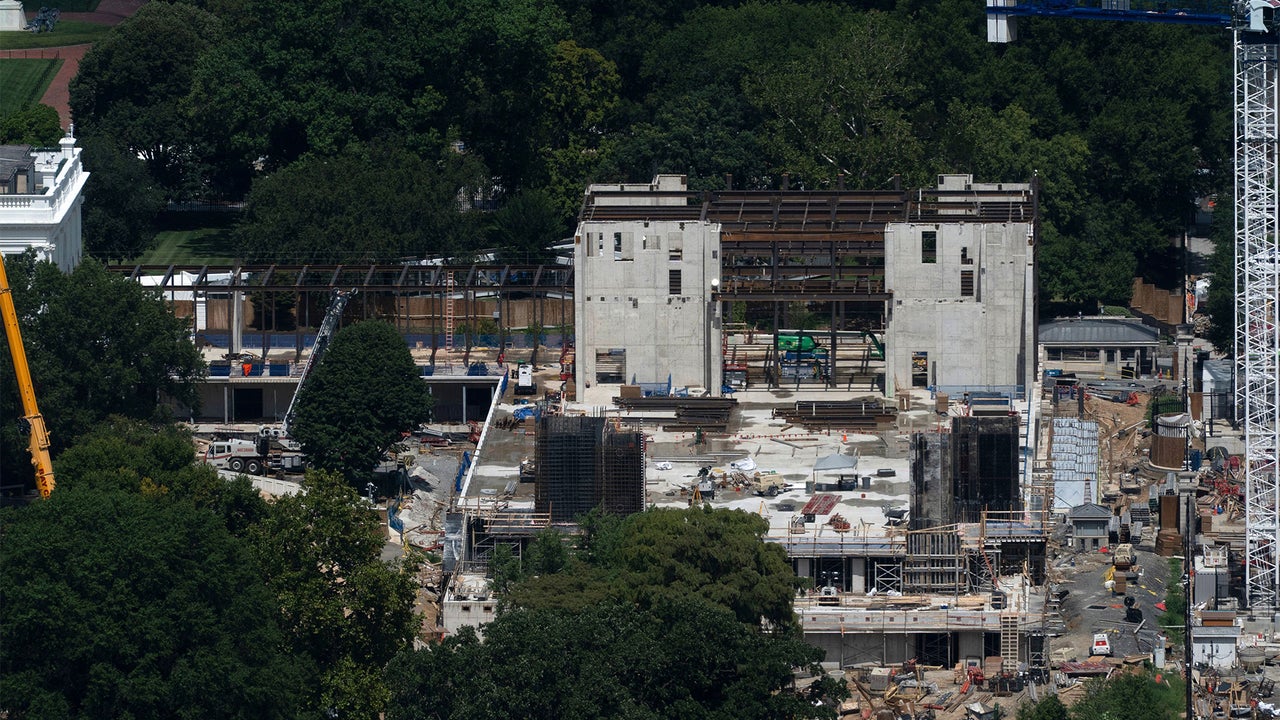
FastCompany: A divided Supreme Court on Monday allowed the White House to continue construction on a $400 million ballroom project as lawsuits play out, a win for President Donald Trump as he flexes unprecedented executive power and remakes the capital in his image. The apparent 5-4 decision replaces a temporary order issued earlier this month , shortly before a court-ordered halt would have gone into effect. That temporary order was signed by Chief Justice John Roberts, assigned to handle appeals from the capital.
But he publicly disagreed with the latest decision, writing a strong dissent that said the project is likely unlawful because it hasn’t been approved by Congress. “Today’s decision is no victory for the separation of powers,” Roberts wrote. The court’s three liberal-leaning justices agreed. The majority, on the other hand, found the National Trust for Historic Preservation likely did not have the legal right to challenge the project.
The unsigned order pointed to government arguments that the ballroom would address national security concerns by shielding a planned underground military installation and offering a more secure structure for large events than the tents currently used. By contrast, “the only harm the Trust claims is the offense one of its members will suffer from having to view a structure of the ‘scale,’ ‘height,’ and ‘massing’ the government intends,” it states.
Trump applauded the decision, writing in a social media post, “I am pleased to report that the United States Supreme Court has just ruled in favor of the Ballroom/Military Complex being built without any further contingency, doubt, or threat.” The majority’s order did not directly decide the legality of the project, and the suit will return to lower courts. Documents filed in the case, though, say that key portions of the project could be complete within months — a quick timeline compared with a typical legal case. The trust’s president and CEO, Brent Leggs, said the group was disappointed with the decision but pleased with Roberts’ dissent.
“This is not the final decision on the merits of our case and does not resolve our fundamental argument — that each President is a temporary steward of the People’s House and does not have the unilateral authority to demolish and redesign it without the approval of Congress,” he said in a statement. The Trump administration asked the justices to intervene after federal courts found the project must halt because it didn’t have congressional approval. The lawsuit from the trust argued that Trump has no unilateral authority to undertake the work, which has included demolishing the East Wing.
The group’s lawyers accused the White House of trying to “outrun the courts” by accelerating construction. In lower courts, the administration has argued that the president has total authority to renovate the White House and other federal buildings. The trust and the four dissenters, however, note that federal law prohibits the construction of any structure on federal parks or public grounds in D.C. “without express authority of Congress.” The trust and its members, meanwhile, are “deeply committed to the preservation of historic American buildings,” bolstering their legal right to sue, Roberts wrote.
Article truncated for readability. Read the full piece →
The article discusses a significant Supreme Court decision that affects a high-profile political figure's branding strategy, which is relevant to brand strategy professionals, particularly in the context of navigating public sentiment and legal frameworks.