Score
Dr Erica Rowe Urquhart On 5 Things We Must Do To Improve the US Healthcare System
Dr. Erica Rowe Urquhart emphasizes the need for a more patient-centered approach in the US healthcare system, advocating for standardized practices in prior authorization and reimbursement to improve care delivery. For brand strategy, this highlights the importance of clear communication and tailored solutions that address specific needs, which can enhance trust and loyalty among patients and providers alike.
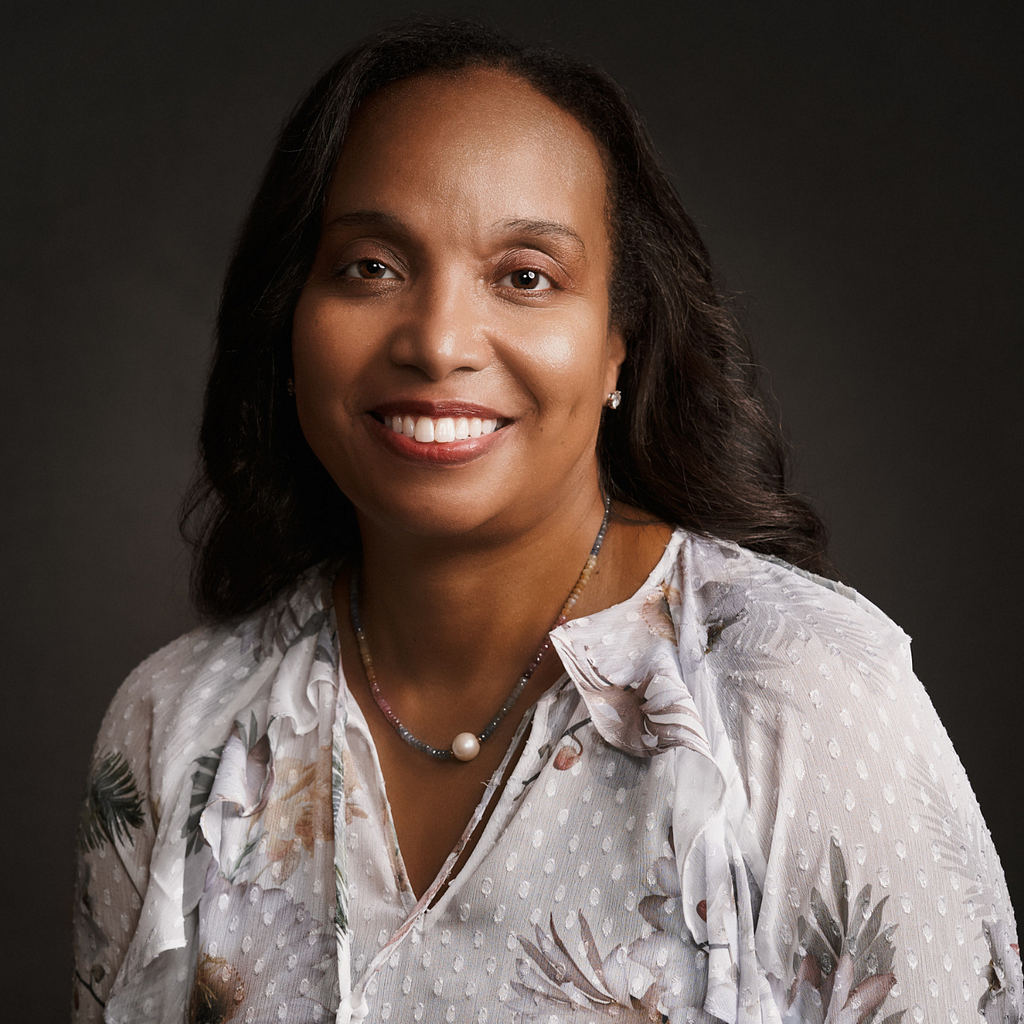
Authority Magazine: Dr Erica Rowe Urquhart On 5 Things We Must Do To Improve the US Healthcare System -- Listen Share An excellent healthcare provider listens to patients, recognizing that while there are protocols, medicine is not one-size-fits-all. Excellence in medicine lies in attention to detail, revealed through expert communication. An excellent healthcare provider listens to patients, recognizing that while there are protocols, medicine is not one-size-fits-all.
Excellence in medicine lies in attention to detail, revealed through expert communication. As a part of our interview series called “5 Things We Must Do To Improve the US Healthcare System”, I had the pleasure to interview Dr. Erica Rowe Urquhart. Dr. Erica Rowe Urquhart, M.D., Ph.D., is a former orthopedic surgeon, physician-scientist, and author specializing in healthcare economics, medical practice consolidation, and health equity in the United States.
A graduate of Harvard College and the Johns Hopkins University School of Medicine, she completed her orthopedic surgery residency at the Hospital for Special Surgery and practiced for nearly two decades as a partner in private practice. She is the author of The Invisible Hand Wielding the Scalpel and today speaks and writes on the transformation of American healthcare, advocating for physician-led models, policy reform, and greater equity in care delivery. Thank you so much for joining us in this interview series! Before we dive into our interview, our readers would like to get to know you a bit.
Can you tell us a story about what brought you to this specific career path? While in high school, I studied molecular biology at a nearby university. Exploring the molecular basis of disease, cell biology, and techniques to manipulate the genetic code sparked my interest in medicine. Can you share the most interesting story that happened to you since you began your career? A patient was brought to the operating room for an urgent surgery, but the insurer refused to expedite prior authorization. We were forced to reschedule her procedure. Can you share a story about the funniest mistake you made when you were first starting?
Can you tell us what lesson you learned from that? The summer between college and medical school, I observed a five-hour craniotomy. Skipping breakfast, I barely made it out of the operating room before fainting in the hallway. An anesthesiologist started an IV, and I recovered quickly. Can you please give us your favorite “Life Lesson Quote”? Can you share how that was relevant to you in your life? A quote attributed to Winston Churchill is, “When you are going through hell, keep going.” This thought inspired me not to avoid difficult circumstances, but to lean into the goals before me.
Deterrents are not determinants. How would you define an “excellent healthcare provider”? An excellent healthcare provider listens to patients, recognizing that while there are protocols, medicine is not one-size-fits-all. Excellence in medicine lies in attention to detail, revealed through expert communication. What are your favorite books, podcasts, or resources that inspire you to be a better healthcare leader?
Article truncated for readability. Read the full piece →
The article discusses significant improvements needed in the healthcare system that can influence brand strategy, particularly in communication and patient engagement, making it relevant and impactful for professionals in the industry.