Score
Dyson just solved flossing with a toothbrush that does it for you
Dyson's introduction of the CameraJet toothbrush, which incorporates an automatic flossing system, signifies a strategic shift towards innovative solutions that address consumer behavior in oral care. By integrating flossing into the brushing routine, Dyson aims to enhance user experience and set new standards in the dental hygiene market, potentially reshaping consumer expectations for everyday products.
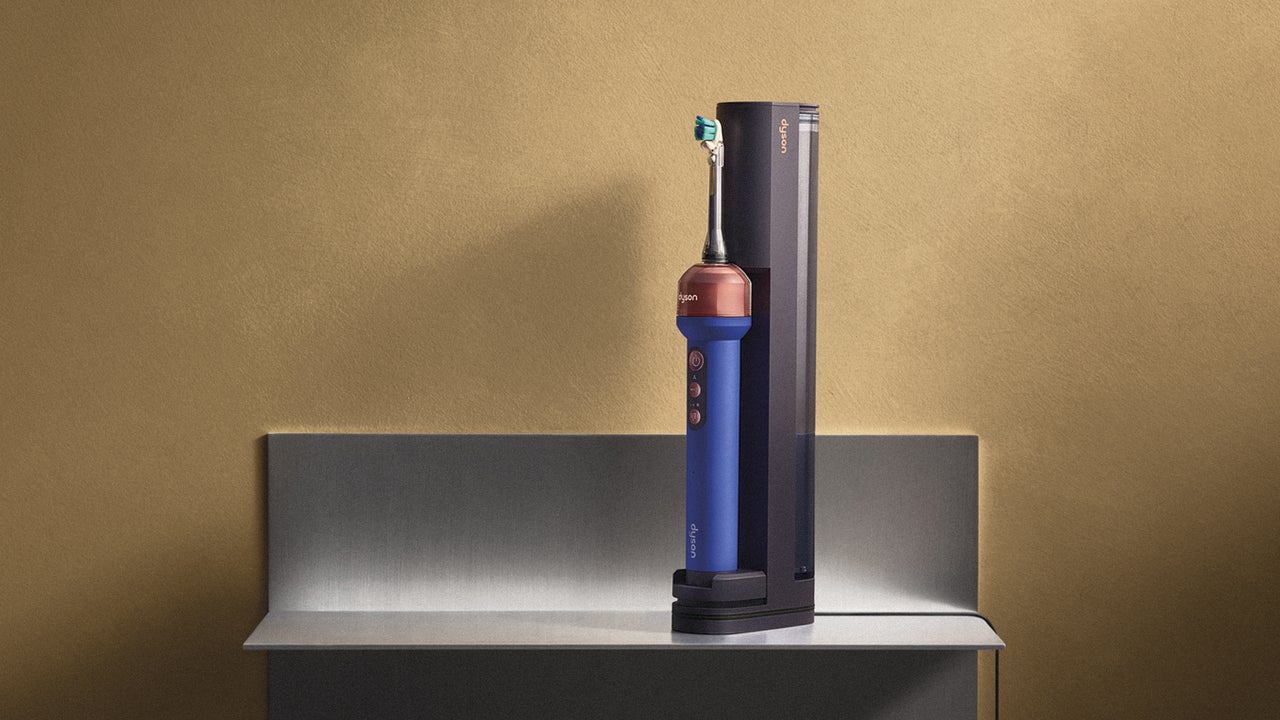
FastCompany: Every time I go to the dentist, I get a lecture about how important it is to floss my teeth. But after a few weeks of good behavior, this is the part of my daily routine I’m most guilty of skipping, because it’s such a laborious, unpleasant process. I’m not alone— 59% of Americans don’t floss daily, and 20% don’t floss at all. But I have good news. Help is on the way for those of us who hate flossing. Dyson has created a seamless flossing system, which is incorporated into what might be the most technologically ambitious toothbrush ever made.
[Photo: Dyson] The British engineering company, best known for reinventing vacuums, is entering oral care. It has developed an electric toothbrush that automatically flosses with jets of mouthwash while you brush. The device, called the Dyson CameraJet, scans your mouth 28 times per second and fires tiny bursts of liquid into tight spaces where plaque can settle. And importantly, the process is so subtle and imperceptible that it feels like regular brushing. It’s an impressive—and, at $499, an expensive—piece of engineering.
But it’s also emblematic of Dyson’s increasingly expansive ambitions to apply its engineering-heavy approach to categories that haven’t seen much innovation. Starting with a problem, not a toothbrush The Dyson team began developing the device when they realized that the majority of people don’t floss, even though the American Dental Association recommends doing so every day. “The toothbrush started by trying to solve ill-compliance in flossing,” says Niamh Turney, a Dyson engineer who has spent the last several years developing the device.
“We looked at whether you could floss without floss.” Turney and her colleagues realized that this wasn’t just an engineering problem, but a behavioral problem. They believed they could get more people to floss if the process was incorporated into something they were already doing. “This was really about trying to integrate flossing into the toothbrushing routine, rather than trying to optimize a part of the routine that people aren’t engaging with,” Turney says. “We set about the problem of trying to create a toothbrush that flossed for you.” [Photo: Dyson] To do this, Dyson invented an entirely new system.
One of the most recent innovations in flossing is the water flossers that spray liquid wherever the user points it. The problem with this was that it is very messy, with water dripping everywhere. The team wanted to see if they could incorporate a water flosser into the toothbrush, but they ran into the problem of how they could store the fluid. A countertop water flosser usually has a milliliter-sized tank, whereas a toothbrush is a much smaller device that could reasonably hold just a fraction of that.
The solution was to build a miniature camera into the toothbrush that identifies the spaces between teeth in real time, and only sprays water into these gaps. This vision system is trained on nearly half a million dental images. When it recognizes a gap, the toothbrush triggers a spray of mouthwash designed to flush away plaque. As a result, it requires far less water. The tank only holds 12.5 milliliters of mouthwash. “It happens so quickly—it immediately triggers the jet while you’re brushing,” Turney explains. [Photo: Dyson] Dyson also redesigned the brush head.
Article truncated for readability. Read the full piece →
Dyson's innovative approach to combining brushing and flossing represents a significant advancement in consumer health technology, making it highly impactful and novel, while also providing relevant insights for brand strategy professionals focused on user experience.