Score
Digg’s comeback hits pause after bots and AI overwhelm the site
Digg's recent relaunch has been halted as the platform struggles to combat the overwhelming presence of bots and AI, which have compromised user trust and engagement. This situation highlights the importance of developing a unique and trustworthy brand strategy that resonates with users, especially in a landscape increasingly dominated by automated content. As Digg reassesses its approach, it must focus on creating a genuinely different experience to attract and retain its audience.
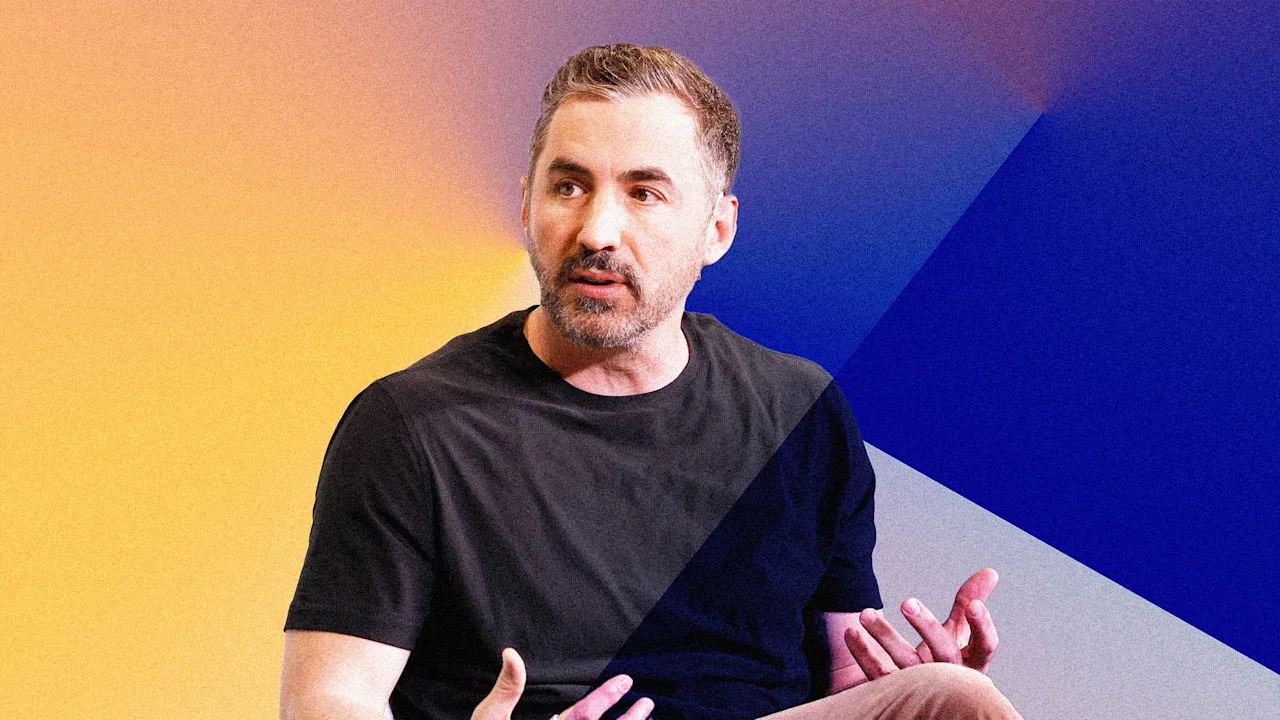
Source: Digg is shutting down—at least for now. Just two months after relaunching with an open beta , the once-influential social news site says it is pulling the plug while it reassesses its strategy. The announcement came from CEO Justin Mezzell in a message posted to the site’s homepage . The relaunch has been scrapped, he wrote, and the company has decided “to significantly downsize the Digg team.” As the company figures out its next move, Mezzell said, Digg founder Kevin Rose will return to Digg on a full-time basis starting in April.
The shutdown marks another twist in the long, uneven history of a platform that once helped define the early social web. Twenty-two years ago—long before Reddit, YouTube, or Facebook were dominating people’s time online—Digg was one of the hottest sites on the internet, pioneering the concept of users upvoting and downvoting the stories they liked and loathed the most. Today, though, the site has become an afterthought for many users. Rose was responsible for building Digg, in its heyday of 2008, to an estimated value of $160 million.
A 2010 redesign was so unpopular, however, that the audience migrated over to Reddit (which offered a similar upvote/downvote functionality). Rose sold the company in 2012 for just $500,000. Last year, however, he and Reddit co-founder Alexis Ohanian bought Digg back with plans to revive it. Backed by True Ventures (where Rose is a partner) and Ohanian’s Seven Seven Six, the revived Digg said it would offer a human-centered experience. That has proven to be easier said than done.
Mezzell, in his note, said the site was quickly overwhelmed by bots and AI when it relaunched as spammers looked to boost their SEO rankings based on Digg’s authority, which remains high with Google. “Within hours, we got a taste of what we’d only heard rumors about,” he wrote. “The internet is now populated, in meaningful part, by sophisticated AI agents and automated accounts. We knew bots were part of the landscape, but we didn’t appreciate the scale, sophistication, or speed at which they’d find us.” Mezzell’s comments seem to align with the “dead internet” theory that has been floating online for years.
At its core, that line of thinking argues that the human-created content that powered the web in the 1990s and 2000s has been replaced with artificially created content. (The argument got another boost earlier this year with the debut of Moltbook , a social media site designed for AI agents instead of humans.) At the same time, Digg said it underestimated the loyalty users had built up with competing sites. Luring them back after they had been gone so long proved challenging, especially as the bots dominated the site. Despite banning tens of thousands of accounts and putting up additional defenses, Digg was unable to stop the onslaught.
Rather than letting human users be duped by the bots, the company decided to pull the plug for now. “When you can’t trust that the votes, the comments, and the engagement you’re seeing are real, you’ve lost the foundation a community platform is built on,” Mezzell wrote. While insisting that it wasn’t going away permanently, Digg also acknowledged that it doesn’t really know where it’s going next and did not give any estimate for when it might be back.
Article truncated for readability. Read the full piece →
The article discusses a significant challenge faced by a well-known platform, highlighting the importance of brand trust in the digital age, which is highly relevant to brand strategy professionals.