Score
The designs that define America
The article explores various designs that encapsulate the essence of American culture and identity, highlighting how these designs reflect individualism, innovation, and the complexity of American values. For brand strategy, this underscores the importance of aligning brand identity with cultural narratives and consumer sentiments, as well as the need for authenticity in design that resonates with the target audience's sense of identity.
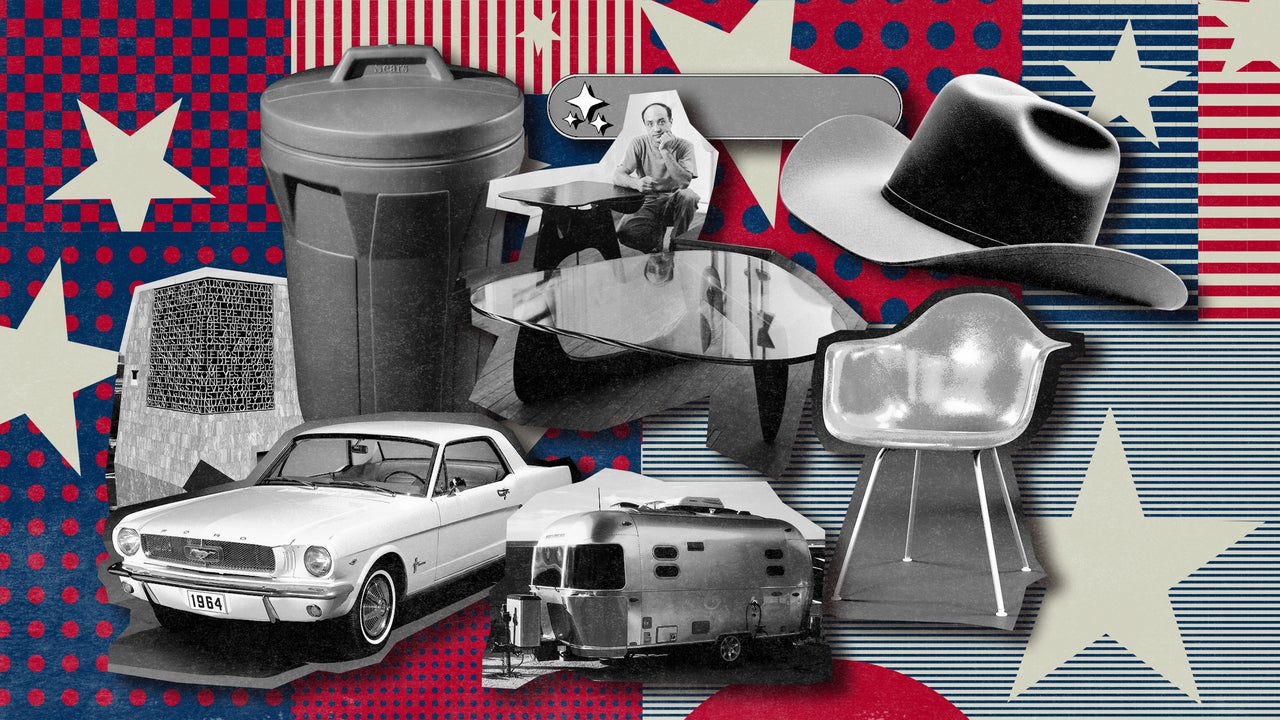
FastCompany: What makes a design “American?” That’s a question we’ve been asking ourselves as the United States nears 250 years of existence. In that time, the country has been defined through objects, ideas, and systems that, if not born in the U.S., at least reside here spiritually and culturally. But American design is a deeply personal thing. The country has protected its individualistic streak, sometimes at staggering costs—so one person’s beliefs about what is quintessentially American could vastly differ from those of their neighbors.
It made us wonder: What do designers—the people who shape our current world—see as the designs that define America? We asked more than 30 of them, and here’s what they said. [Photo: Andrew Harrer/Bloomberg/Getty Images] President Trump’s comb-over I probably spend too much time drawing political cartoons, because I can think of no more defining piece of American design than the President’s elaborate, tragicomic comb-over. It’s appropriately gaudy, loud (almost audibly loud), and blunt. You can’t deny the ingenuity behind it. How is it done? What holds it up? And yet, it really isn’t fooling anyone.
All it takes is a bit of reality—a stiff wind, a light rain—to reveal its artifice to the rest of the world. — Barry Blitt , political cartoonist [Photo: Wiki Commons] Thoreau’s cabin on Walden Pond Not exactly a design, but a choice and a site. I think it is iconic in that it represents a part of the American character that is independent, values the natural world, and relies on one’s moral intuition—all values that are ever more crucial in times like these.
—Billie Tsien, founding partner, Tod Williams Billie Tsien Architects [Photo: Sears] Charles Harrison’s plastic trash can A design that defines America is the plastic trash can that the OG Black Supertoken, Charles “Chuck” Harrison, designed for Sears Roebuck & Co. in 1966. Since 1681, America has prioritized white comfort over Black death and harm. Harrison’s innovative use of injection-molded polyethylene lightened the can’s weight from 20 pounds to 5 pounds and offered morning silence. It delivered on its promise of (white) middle-class ease and comfort in the curbside removal of excess consumption.
And its stackable, squared-off shape and easy grip helped prevent back and shoulder injuries to, then, the nation’s overwhelmingly Black sanitation workers, whose demands for fair compensation and “I Am a Man” dignity culminated in the 1968 sanitation strikes in Memphis and in St. Petersburg, Florida. Harrison’s plastic trash can shows us that the United States could achieve both white comfort and Black care, by design. —Dori Tunstall, design anthropologist, founder of Dori Tunstall Inc. [Photo: courtesy Michele Y.
Washington] Biscuit bowl Like Bill Withers’s “Grandma’s Hands,” this evokes Southern Black family traditions linking memory, labor, tenderness, and inheritance. — Michele Y. Washington , designer, researcher, strategist, design writer [Photo: Jupiterimages/Getty Images] Fiesta tableware Homer Laughlin’s candy-colored Fiestaware is about as American as it gets, especially for collectors of— ahem —a certain age, like me. The art deco-influenced concentric rings and the mix-and-matchiness of it all were a small design rebellion against the fussy, floral dinnerware of the late 1930s.
Article truncated for readability. Read the full piece →
The article addresses significant themes in brand strategy by connecting design to cultural identity, making it impactful and relevant, though the concepts discussed are not entirely new in the field.