Score
If you want housing abundance, let the market work
The article emphasizes the importance of allowing market mechanisms to function in the housing sector to achieve abundance. By loosening land use regulations and enabling pricing signals, stakeholders can better respond to demand, ultimately leading to more effective housing solutions that benefit all community members, regardless of their political beliefs.
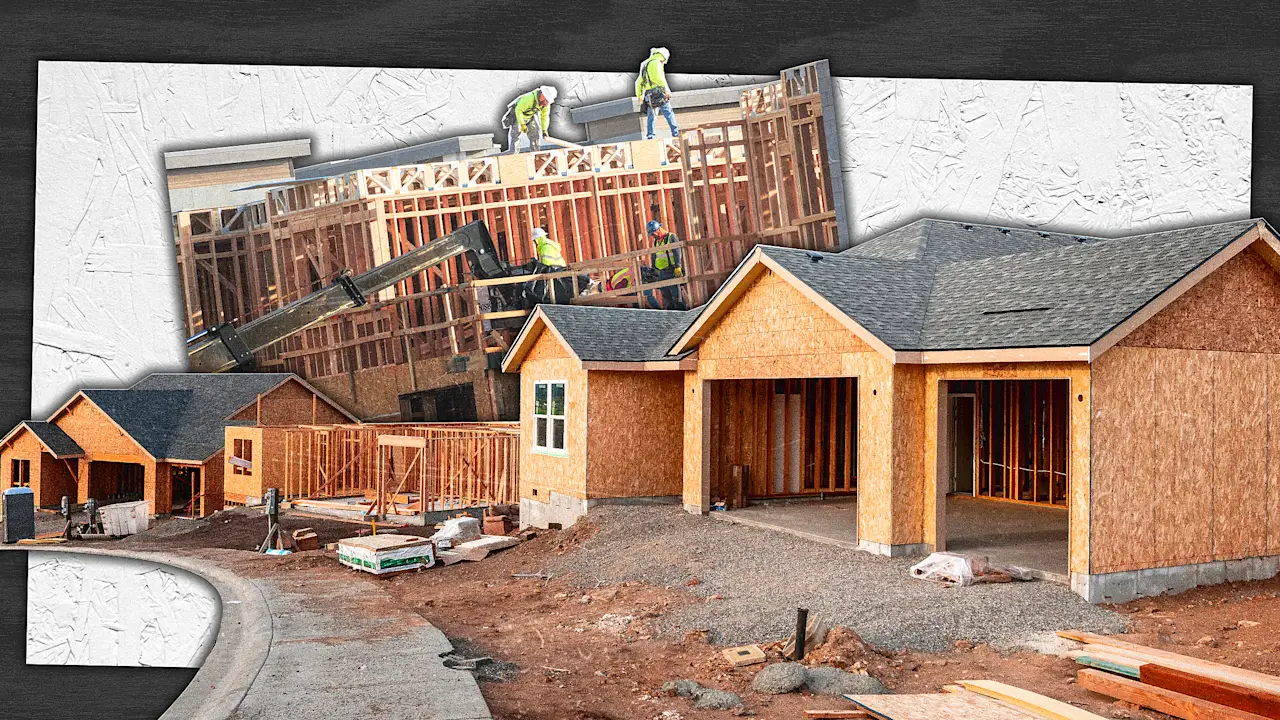
FastCompany: Good urbanism should transcend politics. Socialists and capitalists can walk the same neighborhood and agree it’s a pleasant place to live. They can each appreciate the tree canopy, the corner café with people spilling onto the sidewalk, the mix of ages on bikes and on foot, the architectural details of older buildings, and so on. Whether they arrive by bus, bike, car, or on foot, people across the political spectrum want the same thing: places that work for everyday life. Places that feel safe, accessible, and appealing for young and old alike. Unlikely alliances are forming around this shared vision.
People who call themselves conservatives, liberals, capitalists, and socialists are standing at the same town hall podiums, calling for changes that a decade ago would have been dismissed as fringe. The YIMBY (Yes In My Backyard) movement is one of the easiest to put your finger on.
{"blockType":"mv-promo-block","data":{"imageDesktopUrl":"https:\/\/images.fastcompany.com\/image\/upload\/f_webp,q_auto,c_fit\/wp-cms-2\/2025\/12\/speakeasy-desktop.png","imageMobileUrl":"https:\/\/images.fastcompany.com\/image\/upload\/f_webp,q_auto,c_fit\/wp-cms-2\/2025\/12\/speakeasy-mobile.png","eyebrow":"","headline":"\u003Cstrong\u003ESubscribe to Urbanism Speakeasy\u003C\/strong\u003E","dek":"Join Andy Boenau as he explores ideas that the infrastructure status quo would rather keep quiet.
To learn more, visit \u003Ca href=\u0022http:\/\/urbanismspeakeasy.com\/\u0022\u003Eurbanismspeakeasy.com.\u003C\/a\u003E","subhed":"","description":"","ctaText":"SIGN UP","ctaUrl":"http:\/\/urbanismspeakeasy.com\/","theme":{"bg":"#f5f5f5","text":"#000000","eyebrow":"#9aa2aa","subhed":"#ffffff","buttonBg":"#000000","buttonHoverBg":"#3b3f46","buttonText":"#ffffff"},"imageDesktopId":91453933,"imageMobileId":91453932,"shareable":false,"slug":"","wpCssClasses":""}} But there’s one topic that these groups will continue fighting over: economics. Not who has more money, but fundamentally different views on how an economy thrives or dies.
There’s broad consensus on the ends (safe transportation, abundant housing, etc.) but the means will be hotly contested. And the stakes are high enough that it’s worth being honest about which approaches actually work. Prices are signals, not villains Without outside interference, a price tells builders, buyers, and investors where scarcity exists and what people are willing to trade for something they value. If everyone in a town has an apple tree, apples are cheap. If only one person does, apples are expensive.
As Nobel prize winner Friedrich Hayek put it, prices are “a system of telecommunications.” Prices aren’t good or bad, they’re indicators. Prices tell us something. When the price of small and medium-sized homes rises, it means there aren’t enough of them to meet demand. When a government intervenes to put a limit on housing rent or freezes prices, they’re turning off the feedback loop that tells housing suppliers where housing opportunities exist. Rent control sounds compassionate, but the outcomes undermine the goal.
Article truncated for readability. Read the full piece →
The article discusses a significant economic approach to housing that could influence policy and strategy in urban planning, making it relevant for brand strategy professionals involved in community engagement and corporate social responsibility.