Score
Trump wants to rebrand ICE to NICE. It’s destined to backfire
The proposed rebranding of ICE to NICE by President Trump highlights the complexities of brand strategy in government agencies. While a more pleasant name may seem like a solution to improve public perception, it risks drawing more attention to the agency's negative actions, suggesting that effective branding requires more than just a name change—it necessitates a genuine alignment between branding and organizational behavior.
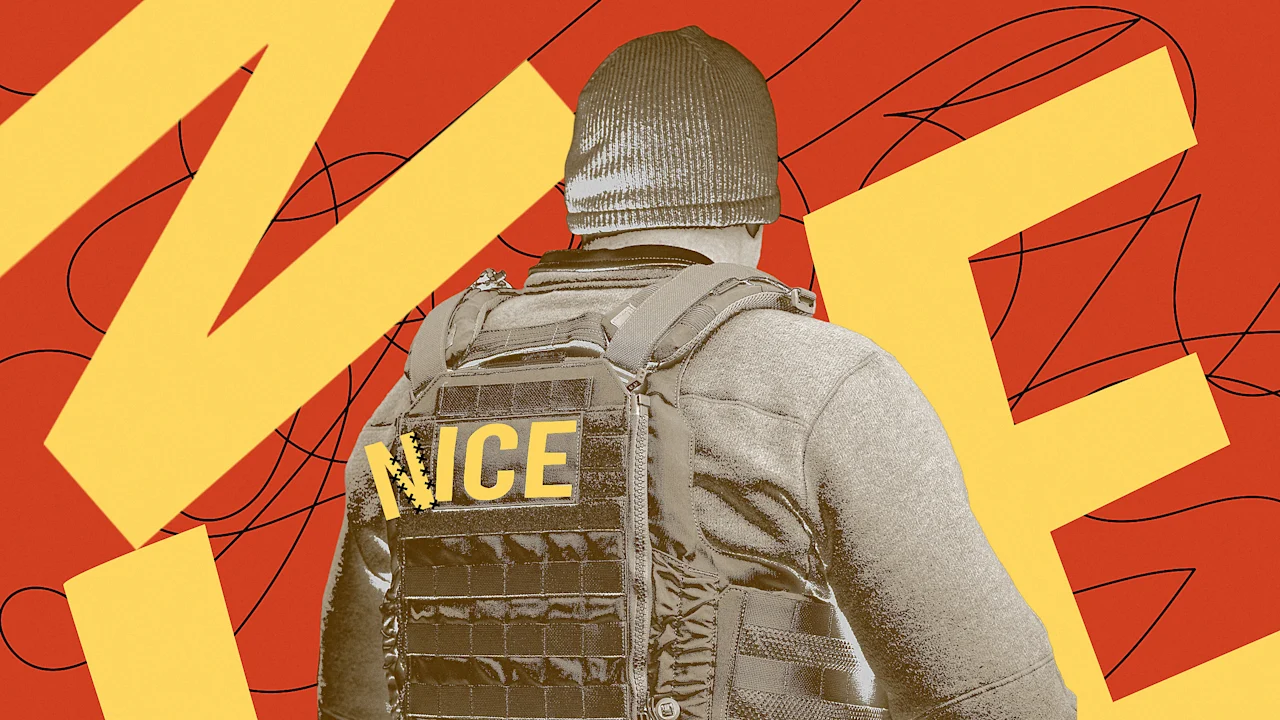
FastCompany: President Donald Trump’s latest idea to rebrand a government agency could give one of his most disliked policies a much more pleasant-sounding name. That might not work out as planned, though. Trump shared a social media post on April 26 highlighting a woman’s suggestion that he rename U.S. Immigration and Customs Enforcement, or ICE, as National Immigration and Customs Enforcement, or NICE, “so the media has to say NICE agents all day every day.” “GREAT IDEA!!! DO IT. President DJT,” Trump wrote. The proposed rename goes against trend for Trump, who wants to formally rename the Department of Defense the Department of War .
Trump’s branding instincts in office are toward toughness, not softness. Public opinion about ICE is firmly hardening against it, which may be why the name change seems so obvious and smart. Nearly 6 in 10 Americans disapprove of how ICE handles its job, according to a UMass poll released on April 1, and Fox News polling shows the agency’s disapproval rising from 41% in 2018 to 58% today. But giving the agency a friendly backronym likely wouldn’t be a quick fix. An alphabet soup of names The U.S.
government is filled with acronyms, and officials increasingly turn to backronyms, or acronyms that are reverse engineered because of what they’ll spell out. No one loves them more than Congress. About 10% of bill and resolution names introduced in Congress over a two-year period were backronyms, according to a 2022 review by The Atlantic , and the proportion of backronyms in bill names has risen in every Congress since at least 2001.
There was the $2 trillion pandemic stimulus and relief legislation called the Coronavirus Aid, Relief, and Economic Security Act (CARES Act) in 2020, and the Creating Helpful Incentives to Produce Semiconductors and Science Act (CHIPS and Science Act) that funded semiconductors and other priorities in 2022. With a little creativity, a piece of legislation with a name as long as a Fall Out Boy song title becomes a short, handy piece of storytelling in cable news chyrons and tweets. Backronyms are a messaging tool that turns an otherwise bureaucratic-sounding collection of letters into a bumper-sticker-type slogan.
But not all of them are honest. While some backronyms are corny or clever , others are designed to misdirect or manipulate, wrapping unpopular legislation in the flag. The USA Patriot Act , or Uniting and Strengthening America by Providing Appropriate Tools Required to Intercept and Obstruct Terrorism Act, passed weeks after the 9/11 attacks in 2001 and expanded the surveillance state, while the SAVE Act , or Safeguard American Voter Eligibility Act, is a voter suppression bill that’s currently stalled in the Senate.
Why a “NICE” rebrand is a bad idea Renaming ICE to NICE might attract more negative attention to the agency, says Brian Christopher Jones, a senior lecturer at the University of Liverpool who’s studied topics such as acronyms and misleading PAC names. “I wonder whether this particular backronym, NICE, would open the agency up to potentially even more criticism than before,” he says, noting the Patriot Act has been criticized for its name.
Article truncated for readability. Read the full piece →
The article discusses a significant political rebranding effort that could influence public perception and brand strategy in government, making it impactful and relevant, while the concept of rebranding itself is not entirely new.