Score
How Tyler Spangler Turned Punk Shows And A Psychology Degree Into Candy Coloured Chaos
Tyler Spangler's journey from punk shows to collaborating with high-profile brands like Gucci and Nike illustrates the importance of authenticity in brand strategy. By prioritizing personal expression and a unique aesthetic, Spangler demonstrates that staying true to one's creative vision can attract brands that resonate with that individuality, leading to successful partnerships without compromising artistic integrity.
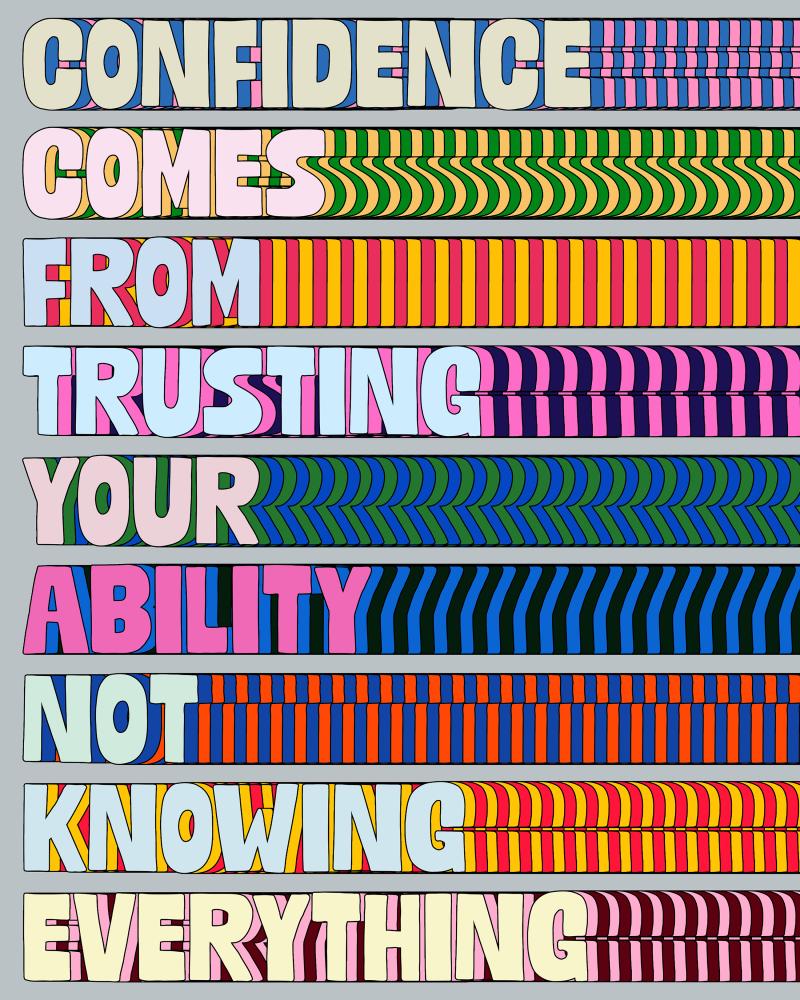
Creative Boom: Inspiration Graphic Design Tyler Spangler turned punk shows and a psychology degree into candy-coloured chaos The Southern California designer on dropping out of art school, working for Gucci and the UN without dulling his vibe, and why making thousands of pieces for nobody but himself is kind of the whole point. Written By: Katy Cowan 23 June 2026 Tyler Spangler describes his own work as "like a rainbow-flavoured popsicle dipped in the ocean and placed on a rock to melt", which is pretty much spot on.
The Southern California designer makes maximal, candy-coloured digital collages that are loud, fun and a little bit unhinged, and they have carried him from booking punk shows in his own rented warehouse to a client list that today boasts Gucci, Hermès, Nike, Chanel and the United Nations. Not bad when you discover he got there without following the usual path. A "shy kid" with a bachelor's degree in psychology from California State University, Tyler later studied at ArtCenter College of Design before dropping out to start his own design studio. Art, he says, has been the constant through every phase of his life.
"No matter what I was focusing on, I was making art in some form." When he started booking punk shows, he made the flyers for them, and the bands' album covers, too. ArtCenter came next, but it didn't last. "Honestly, I got jaded and also couldn't really afford it, so I dropped out with the intention of starting my own freelance business," he says. He realised he could turn the DIY approach he used during his punk days into an actual design career. "I figured I should probably prioritise the one thing that I have been consistently doing for pleasure as a career." The look that makes his work entirely his was set early on.
He grew up in Orange County in the '90s with a dad who surfed a lot, immersed in a surf culture that was, in his words, "brash and loud", alongside video games and cartoons like The Simpsons and Nickelodeon. "The abrasive patterns and neon colours of that era just soaked right into me," he says. He started making traditional paper collages, but it was the move to digital that made everything click. Suddenly, he could use all that bright, candy-coloured chaos to talk about any subject, even the heavier ones. The punk flyers and album covers of the 1970s and '80s remain a touchstone for him: he loves the energy and raw messaging.
Collage became his way of exploring deep and meaningful things long before he had the language for it: that an image changes depending on what surrounds it. The spark came from surf magazines, surf and skate videos, and eventually punk culture. "I noticed this when I was young, and I would listen to different songs while I was checking the surf," he says. "Depending on the style of music I was listening to, the feeling and intention of the waves changed." The lesson stuck. "Images aren't static.
It's really cool to explore all the different moods and meanings a single image can transform into simply by changing what it's sitting next to." Doing things his own way traces back to his early twenties when Tyler took his savings, rented a warehouse space, bought a cheap PA and threw 13 punk shows before it got shut down. The era taught him what he calls the core lesson of punk: "doing what you want without asking for permission or caring what anyone else thinks". With no traditional artist role models to follow, he took that rebellious confidence into freelance life. Chasing an audience, he reckons, is a trap.
Article truncated for readability. Read the full piece →
The article highlights a unique perspective on authenticity in brand strategy through the lens of an artist's journey, making it significant and relevant for professionals in the industry, though the themes of personal expression and collaboration are not entirely new.
Weekly digest
Get the Signal digest
Every Monday morning — the top 3 brand trends, 10 high-signal articles, and one emerging signal to watch.
No spam. Unsubscribe anytime.