Score
The bigger point the DoorDash Grandma squabble missed
The DoorDash Grandma incident highlights a significant brand-narrative problem for DoorDash and the gig economy at large, as it juxtaposes the aspirational image of gig work with the harsh reality of financial necessity faced by many workers. This tension between empowerment and economic struggle calls for brands to reassess their narratives and the authenticity of their messaging, ensuring they resonate with the lived experiences of their workforce.
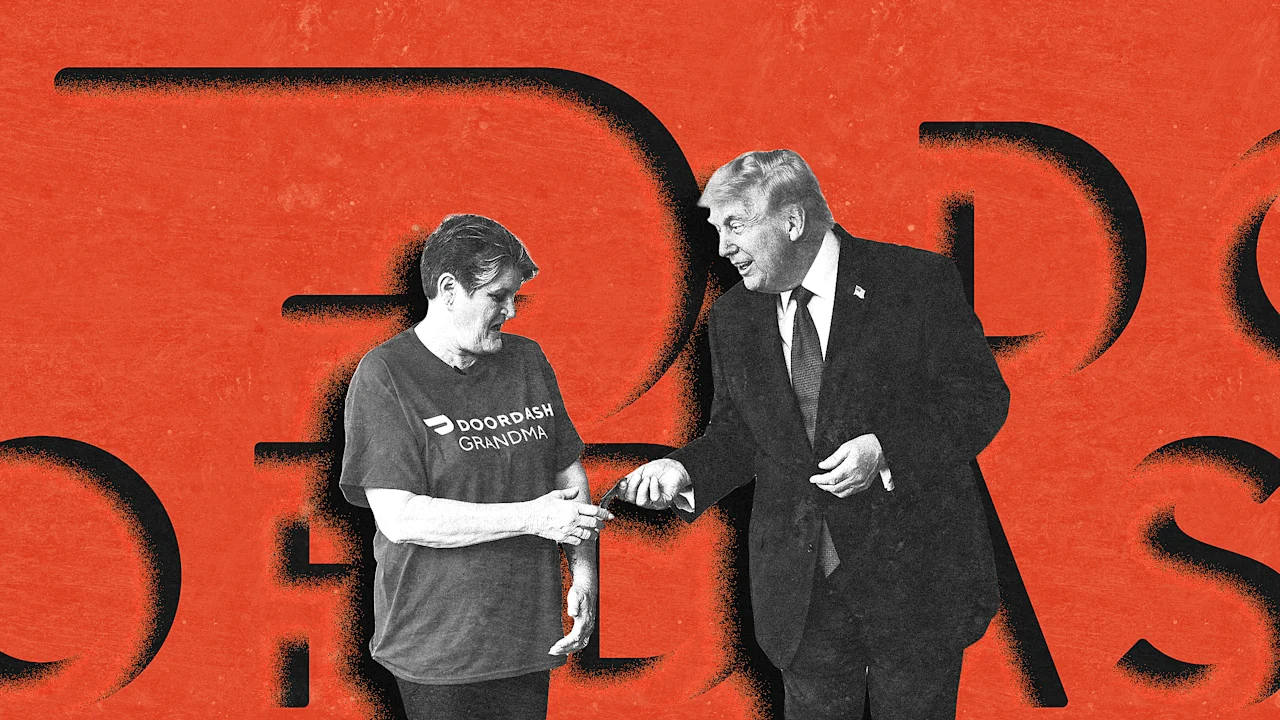
FastCompany: It must have seemed like a slam dunk PR opportunity for all concerned: A “DoorDash Grandma” making a (staged) delivery to the White House, affording President Trump a chance to tout his “No Tax on Tips” policy, and DoorDash a prompt to praise that policy for letting “workers keep more of what they earn, including hundreds of millions of dollars for Dashers.” As press looked on and cameras rolled, Sharon Simmons, sporting a “DoorDash Grandma” T-shirt and handing a couple of McDonald’s bags to Trump, praised the policy for saving her thousands of dollars on taxes, which she says she’s using to help pay for her husband’s Stage 3 cancer treatment
. “It has helped my family out immensely,” she said . But it wasn’t a slam dunk. In fact, Simmon’s appearance turned into an absolute disaster, as the PR stunt devolved into an argument over whether Simmons, the 58-year-old grandmother (of 10) in question, was actually a MAGA shill . That debate, as neatly chronicled by Fast Company ’s Joe Berkowitz , drew attention to the forced nature of the stunt, and helped thoroughly undermine the episode’s effectiveness for the policy or the brand.
But the squabble over whether Simmons is fully legit or some kind of ringer has obscured a deeper point: Either way, she’s a dreadful symbol for the DoorDash brand and for the state of the economy in general. Sharon Simmons , a DoorDash worker, arrives at the White House on April 13, 2026, to deliver McDonald’s to President Trump. [Photo: Salwan Georges/Bloomberg/Getty Images] At an age when a worker should command comfortable earning power and be counting down to retirement, Simmons is grinding for tips at a no-benefits gig job to cover healthcare costs.
Frankly, she’s lucky the rise of driverless vehicles—long a goal of the rideshare and delivery sectors—hasn’t yet taken even this not-so-reassuring option away. (Yet.) This sounds more like a cautionary tale than a heartwarming policy success. When you think about your golden years, does your vision involve hustling to cover your spouse’s vital medical care? Admittedly, the cozy and carefree retirement dream of security and dignity after decades of work has never been universally realized.
Yet it remains culturally potent—even as many workers today (including many comfortably in the middle class) expect they’ll need to keep finding ways to earn money well past traditional retirement age. If DoorDash Grandma was intended to function as an anecdote polished up for political optics, the real message seems different. What’s authentic is that there are countless older Americans in similar positions, navigating a patchwork of Social Security, savings, and supplemental income streams that increasingly include gig work.
(In Simmons’s case, there’s reportedly a GoFundMe as well.) Businesses that rely on tip-dependent labor are naturally in favor of no tax on tips, because it benefits their workforce without the business sacrificing a dime or making any particular effort. And there’s nothing unusual about that; it’s just capitalism. Gig-economy companies have spent years positioning themselves as a source of opportunity: flexible work, entrepreneurial autonomy, a platform that empowers individuals to earn on their own terms.
Article truncated for readability. Read the full piece →
The article addresses a significant issue within the gig economy that affects brand narratives, making it highly relevant and impactful for brand strategy professionals, while the discussion of narrative authenticity is somewhat common in brand discourse.
Weekly digest
Get the Signal digest
Every Monday morning — the top 3 brand trends, 10 high-signal articles, and one emerging signal to watch.
No spam. Unsubscribe anytime.