Score
Bloodstock Inside The Uks Biggest Independent Metal Festival And Why Its More Creative Than You Might Think
Bloodstock, the UK's largest independent metal festival, showcases the power of grassroots creativity in branding and community engagement. As it approaches its 25th anniversary, the festival highlights how its identity is shaped by fans rather than corporate marketing, emphasizing the importance of community-driven aesthetics in brand strategy.
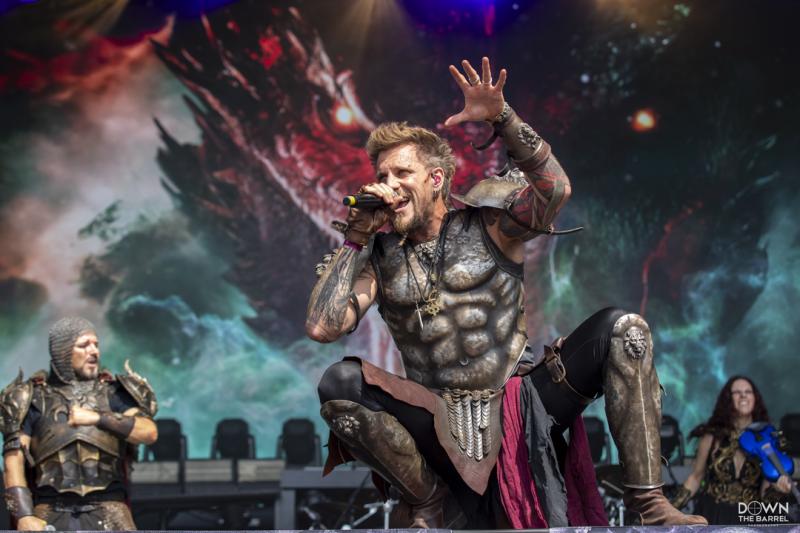
Creative Boom: News Art & Culture Bloodstock 2026: inside Britain's biggest independent metal festival, and why it's more creative than you might think Ahead of its 25th anniversary, the Derbyshire metal festival proves that this often-derided scene involves far more visual imagination than outsiders assume. Written By: Tom May 27 July 2026 All photos by the official festival photography team: Katja Ogrin, Steve Dempsey, Leigh van der Byl, Sophie Jones and Abbi Draper-Scott Metal festivals have been part of my life since I first attended Donington's Monsters of Rock (now called Download) in 1984.
Yet sadly, I've lost count of how many times I've heard people in the creative industries write the whole scene off as a joke: all noise, no nuance, nothing to look at beyond band logos and black t-shirts. So this summer, I'm doing something about it. From 6-9 August I'll be heading to Bloodstock in Derbyshire on behalf of Creative Boom, to make the case that this couldn't be further from the truth. What is Bloodstock? In case you didn't know, Bloodstock is one of the UK's largest independent metal festivals, run by fans for fans since 2001 and now celebrating its 25th anniversary.
Held over four days at Catton Park, it draws tens of thousands of people to see everything from thrash and death metal to gothic rock and doom, with this year's headliners including Judas Priest, Saxon and Lamb Of God. Unlike the big corporate-backed festivals, it's stayed independent throughout, which is exactly why it's worth paying attention to as a case study in grassroots creativity. Led by the community What strikes me, even before I've set foot on site, is how much of the festival's identity is built and sustained by its own community rather than handed down by marketing departments.
Fans design and customise their own battle jackets, patch by patch, over years. Face paint, prosthetics and full costume builds turn the crowd itself into a kind of open-air gallery. This is DIY visual culture on a scale that most branding agencies would struggle to manufacture. That creative energy runs right through the festival's own programming. The RAM Gallery on site hosts original artwork by the festival's founder, alongside rare band memorabilia and pieces from emerging illustrators discovered through social media.
There's a strand of sculpture, tattoo art and custom instrument design threaded through the whole event too, sitting comfortably next to pillow-fighting contests, a gaming arena and line dancing workshops. It sounds like a whole heap of fun. Built by fans, not brands What I find most compelling is how much of Bloodstock's aesthetic is generated from the bottom up. Hair dyed in colours that definitely don't exist in nature, hand-painted denim, elaborate jewellery, and costumes that riff on everything from fantasy fiction to horror cinema. None of this is dictated by a style guide, or an influencer telling you what's in or out.
There's also a strong current of craft running underneath the spectacle. Independent jewellers, illustrators, printmakers and clothing designers trade across the site's market stalls, many of them collaborating directly with the bands and artists who headline the stages. It's a circular creative economy: small enough that fans can meet the people making the things they wear, yet substantial enough to support dozens of independent traders across a weekend. The other thing I have to look forward to, by all accounts, is the atmosphere.
Article truncated for readability. Read the full piece →
The article discusses a unique approach to branding through community engagement in a niche festival, which is significant for brand strategy professionals looking for innovative and grassroots methods.