Score
Want to live forever? There’s a house for that
The rise of longevity architecture signifies a shift in brand strategy towards health and wellness as core values in residential design. Brands in the real estate and architecture sectors must adapt to consumer demands for homes that prioritize health optimization, reflecting a growing trend among affluent buyers seeking to enhance their living environments for better longevity and well-being.
FastCompany: Kas Bordier sells her clients a vision of longer, healthier, and constantly measured lives—one that’s perfectly attuned to today’s optimized pursuit of health. As the founder of Mavi , a new architecture firm and consultancy, Bordier offers homeowners the option to measure their homes via a 24-hour, 129-point inspection that assesses a home “the way a longevity clinic reads your blood.” The firm’s wellness blueprint covers everything from water purity to decibel levels and carbon dioxide concentrations. “Developers want to show that better buildings are possible,” says Bordier, who has worked on homes in the U.K. and U.S.
“But more importantly, they want to get an edge in their business.” Since her first home renovation in 2024, she’s been busy working on more residential projects in London and Los Angeles, with five completed homes and two more in the works. Her clients, often high-net-worth individuals who have personal trainers, nutritionists, and doctors, seek to focus on longevity, or have discovered a mold issue or other health issue in their home. An initial two-week design review to map out a more healthy home costs $18,000.
Longevity as an amenity Modern architecture has long focused on better health through design, from Alvar Aalto’s famous Paimio Sanatorium in Finland, which utilized “healing architecture” to increase light and airflow, to the residential work of early modernist pioneers in Southern California. Take R.M. Schindler’s 1922 Kings Road house, which helped pioneer open floor plans and the indoor-outdoor lifestyle that became synonymous with the region.
Or Richard Neutra’s Lovell Health House, a proto-modernist residence built for a health guru, erected on a Hollywood hillside in 1929; it boasts floor-to-ceiling glass windows to increase exposure to healthy sunlight, open floor plans to increase air flow and ventilation, plus sleeping porches and even built-in enema fixtures. While there are design principles at play, often very traditional ones grounded in sunlight, natural rhythms, and sustainability, the trend toward what’s being called longevity architecture is less about making an aesthetic statement than it is about bodily optimization.
Eduardo Otaola, developer of Cora Merrick Park in Coral Gables, Florida, says the high-end Miami-area condo project designed by Arquitectonica will boast longevity-focused features, including air purification systems and electrification, and cost roughly 10% more to complete. But when the building opens in 2028, he expects a 25% to 30% premium in sale prices versus a comparable unit without the health focus. “The future of residential real estate specifically is wellness,” he says.
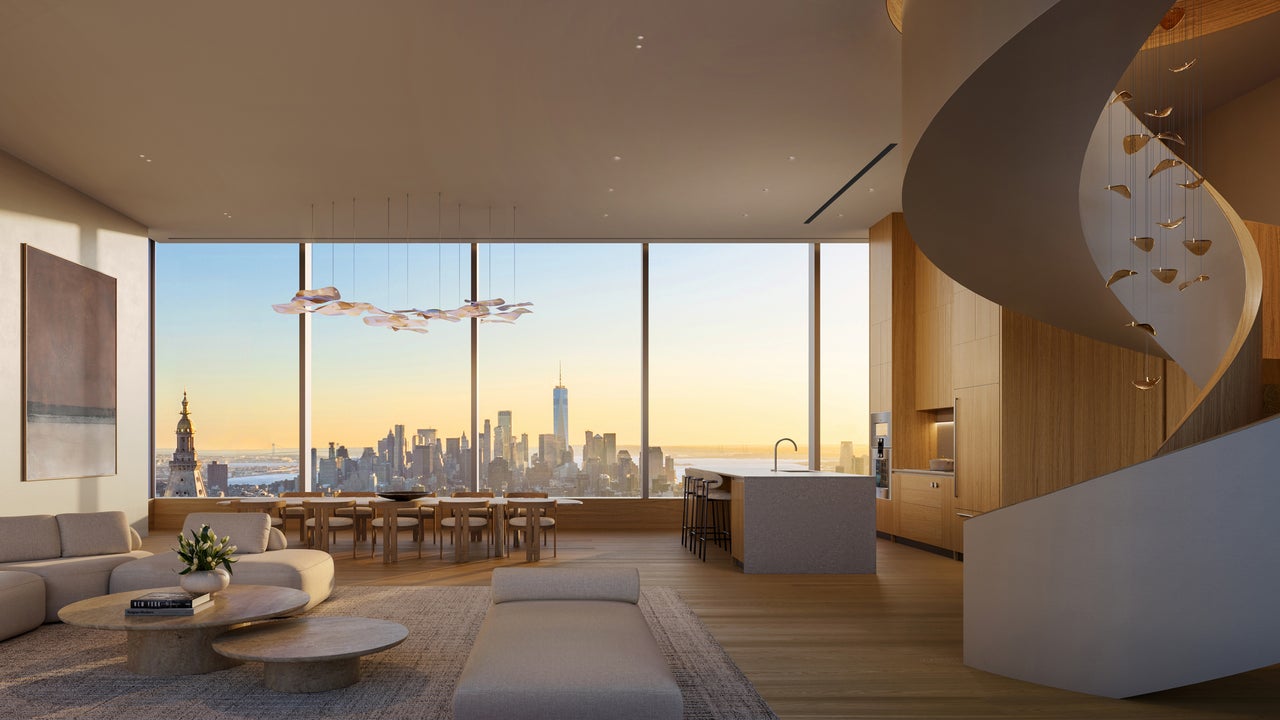
“With Miami being a very advanced or sophisticated market as it pertains to residential condos, everybody’s trying to push the envelope on what the next best trend and competitive angle is.” 262 Fifth Ave. [Image: courtesy Hayes Davidson] This year’s Luxury Outlook by Sotheby’s specifically calls out longevity as a growing trend, especially as a cohort of boomer millionaires seek to age in place and upgrade their existing homes to optimize their experience during their golden years. The new condos at the 52-story 262 Fifth Ave.
Article truncated for readability. Read the full piece →
The article highlights a significant trend in architecture that aligns with evolving consumer values, making it highly relevant and impactful for brand strategy professionals in the real estate sector.