Score
How Arthur Ashe became the noisiest Grand Slam venue
The evolving atmosphere at Arthur Ashe Stadium during the US Open reflects a significant shift in fan demographics and behavior, challenging traditional tennis etiquette and the design of the venue. As the audience becomes more engaged in social media and influencer culture, brand strategy for the US Open may need to adapt by creating designated spaces for social interaction that do not disrupt the game, thereby balancing the needs of both traditional fans and new audiences.
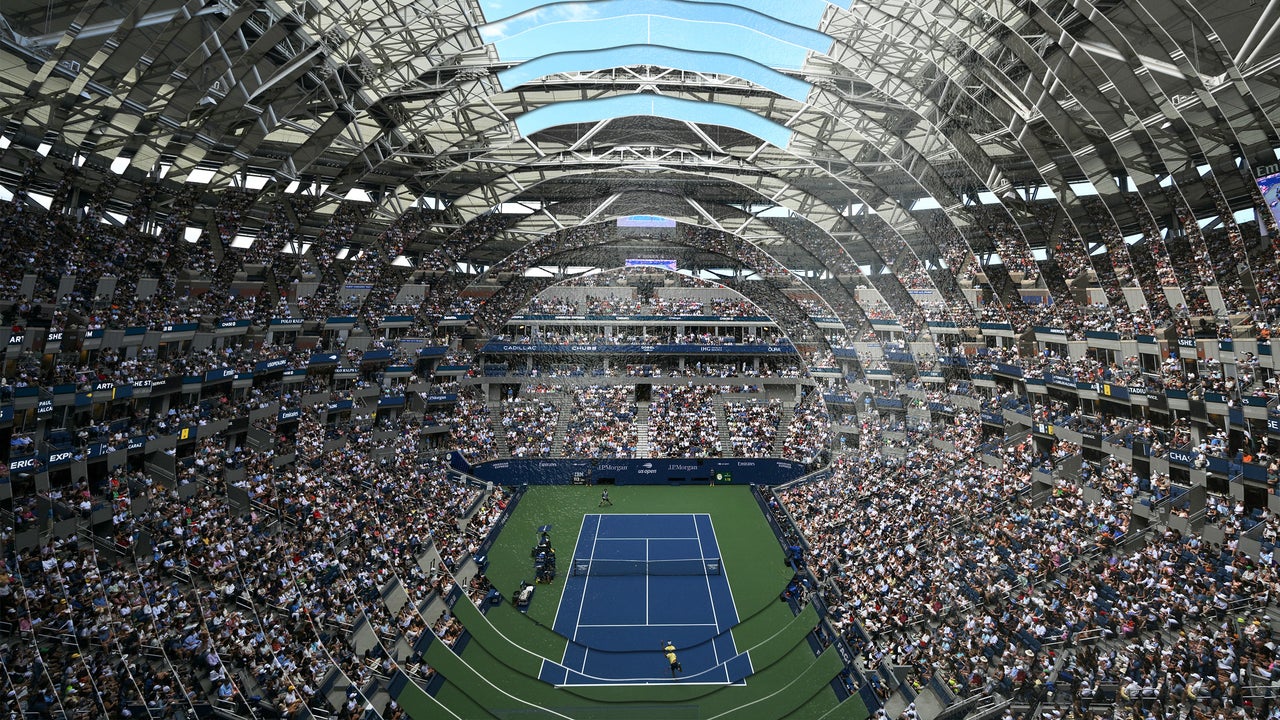
FastCompany: At Wimbledon and Roland Garros, you’ll find fans swiveling their heads from side to side as they follow the bright green tennis ball darting back and forth. And they’re doing so in a hushed stadium, with the only noise coming from the ball hitting the racket, a player’s shoes squeaking on the court, and polite applause. Then there’s the US Open. At the final Grand Slam of the season, eyes are on tennis, sure, but they’re also on viral drinks and flashing cameras.
Much has been said about the clout-chasing influencers and visitors who increasingly fill Arthur Ashe Stadium, the tournament’s main venue, bringing ring lights, fashion-ops and lots of chatter with them—even when it’s time to serve. The lively, albeit disruptive, atmosphere in the 23,000+-seat stadium has become both a staple of the Open and a source of anguish for fans who were used to a game played in pin-drop silence. “It’s so loud inside Arthur Ashe Stadium that most of the time it’s almost impossible to keep track of the sound of the ball. Almost like putting the TV on mute,” one user said on X .
Another added, “Arthur Ashe is so unbelievably loud it’s insane. I started chatting with my section usher and he said that the amount of people emailing the @usopen to tell them to tell people to stfu is unprecedented and he’s never heard it this loud before in his 25 years of working there.” Spectators take a selfie while enjoying a Honey Deuce, the signature cocktail of the US Open, during the women’s doubles first-round match pitting Serena Williams and Venus Williams against Maya Joint of Australia and Chan Hao-ching of Taiwan, September 4, 2026.
[Photo: Kena Betancur/AFP/Getty Images] But beyond mere annoyance at influencers, the discourse is spotlighting an evolving fan demographic, one that clashes with both the stadium’s design and the sport’s etiquette. With tensions coming together under one roof, the controversy is challenging what a tennis venue for today’s American fanbase can, and should, be. The biggest stage in the world, for tennis Tennis stadiums are structurally different from stadiums built for baseball, football, or soccer. They feature a smaller playing area, which results in steeper seating overhangs versus the expansive arena setup you find in other sports.
But it’s not necessarily the structure of Arthur Ashe that is causing the noise levels, experts tell Fast Company ; it’s its sheer size and capacity. Arthur Ashe is significantly smaller than nearby stadiums (MetLife Stadium in northern New Jersey seats around 82,500 , for example), but it’s a giant in tennis. It’s the largest Grand Slam stadium in the world, fitting almost 10,000 more spectators than Wimbledon’s Centre Court and the Philippe Chatrier Court at Roland Garros, site of the French Open. According to experts, it’s the stadium’s scale that influences how noise travels within its walls.
A larger venue means longer reverberation time and lower sound absorption—the physics that lead to Arthur Ashe’s signature murmur. “Acoustically, you’ve got a lot more vocal energy that you can create in the space because of that larger number of people,” says Joe Solway, principal and senior member of the acoustics, AV, theater, and experience design team at Arup, the global architectural, engineering, and design firm. But acoustics can explain only so much. How people behave inside the stadium is the biggest factor in determining how loud it gets.
Article truncated for readability. Read the full piece →
The article discusses a significant shift in audience behavior at a major sporting event, which has implications for brand strategy and venue design, making it relevant and impactful for industry professionals.