Score
Guerra&Co. Interior Design Branding Identity
Guerra&Co.'s branding strategy effectively combines sophistication with approachability, targeting young clients in the high-end interior design market. By utilizing organic typography and a warm color palette, the brand distinguishes itself from typical luxury designs, creating a visual identity that resonates with its audience while maintaining a cohesive and inviting aesthetic.
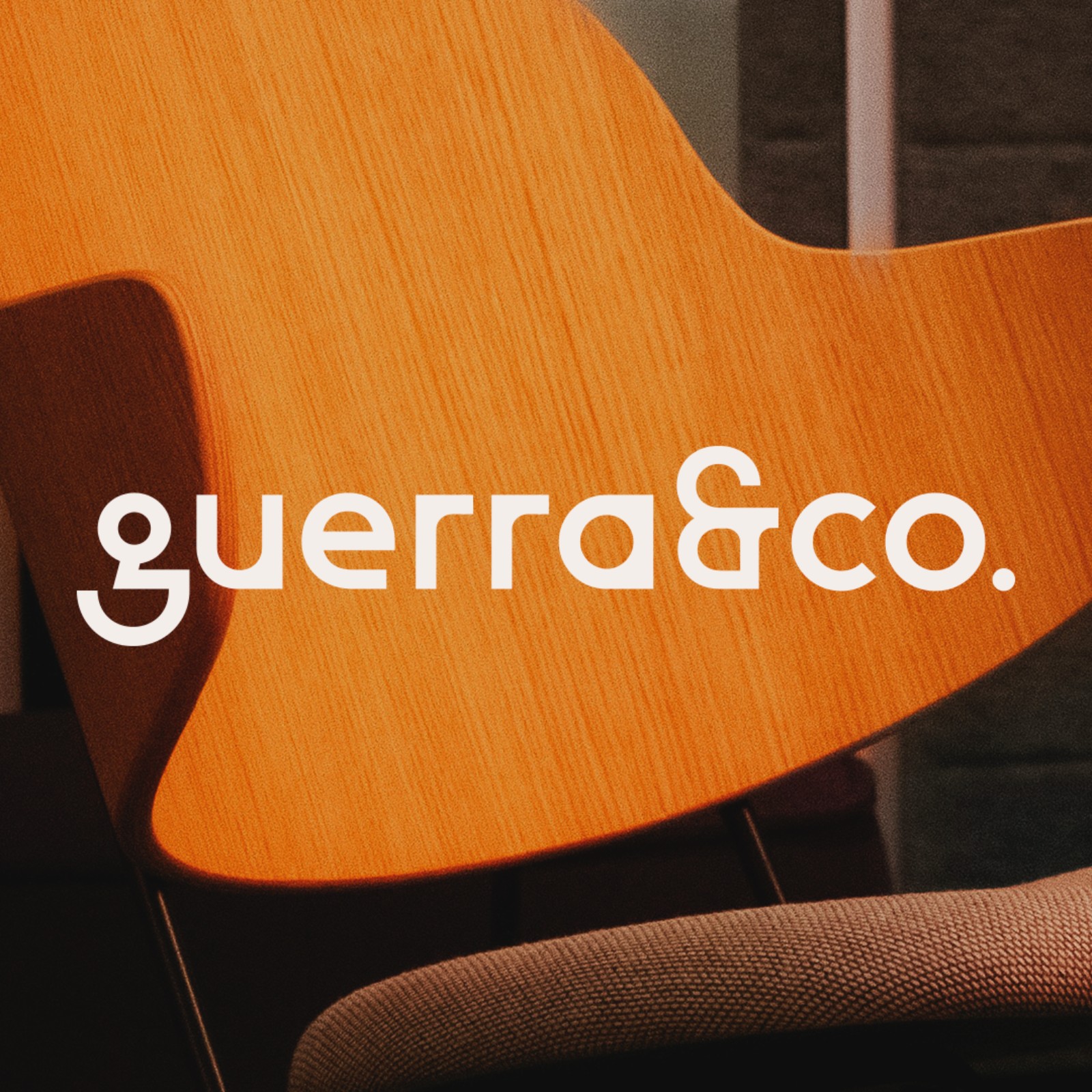
Abduzeedo: Guerra&Co. Interior Design Branding Identity sofia April 13, 2026 Guerra&Co. brings interior design branding to life with organic letterforms, warm terracotta tones, and furniture-inspired icons by Studio Mateus Araújo. Rio de Janeiro-based Studio Mateus Araújo completed this interior design branding project in 2025 for Guerra&Co., a high-end studio targeting young clients seeking their first property. The brief demanded sophistication without distance: a brand that reads as elevated but stays approachable. The studio resolved this through careful typographic choices and a palette that avoids the cold neutrals common in luxury design.
The logotype draws its forms directly from contemporary furniture. Curves alternate between linear and organic strokes, so the letters carry a structural quality that mirrors the objects inside the spaces Guerra&Co. designs. The abbreviation g&co. collapses neatly into a compact wordmark, giving the system a secondary mark that works across smaller formats. Both versions hold weight against deep burgundy and warm terracotta grounds. Interior Design Branding Through Typography and Color The color system centers on two tones: a dark, saturated burgundy and a mid-tone terracotta that references earthen materials and warm interiors.
Neither color tips into generic luxury territory. Together they evoke a specific mood, one that reads as mature without feeling cold. Applied across stationery and surface mockups, the palette reads consistently at every scale. A supporting icon set extends the typographic logic into simple, readable pictograms. Each icon silhouette references a furniture form: arched thresholds, turned legs, rounded vessels. The icons do not illustrate the work literally. They function as a visual vocabulary that reinforces what the brand is about without stating it directly.
The complete system holds together as a coherent interior design branding identity built for a young, design-literate audience.
The article discusses a specific branding strategy in the interior design sector, which is relevant and moderately impactful for professionals, but the concepts presented are not groundbreaking or entirely new.