Score
What If This Idea Lived Somewhere Else Aiqi Zhang On Designing Across Mediums
Aiqi Zhang's approach to design emphasizes the importance of medium in shaping brand identity and storytelling. By exploring how ideas can transcend formats, she advocates for a brand strategy that integrates emotional resonance and cultural context into visual communication, ensuring that design is not merely a container but a vital part of the message.
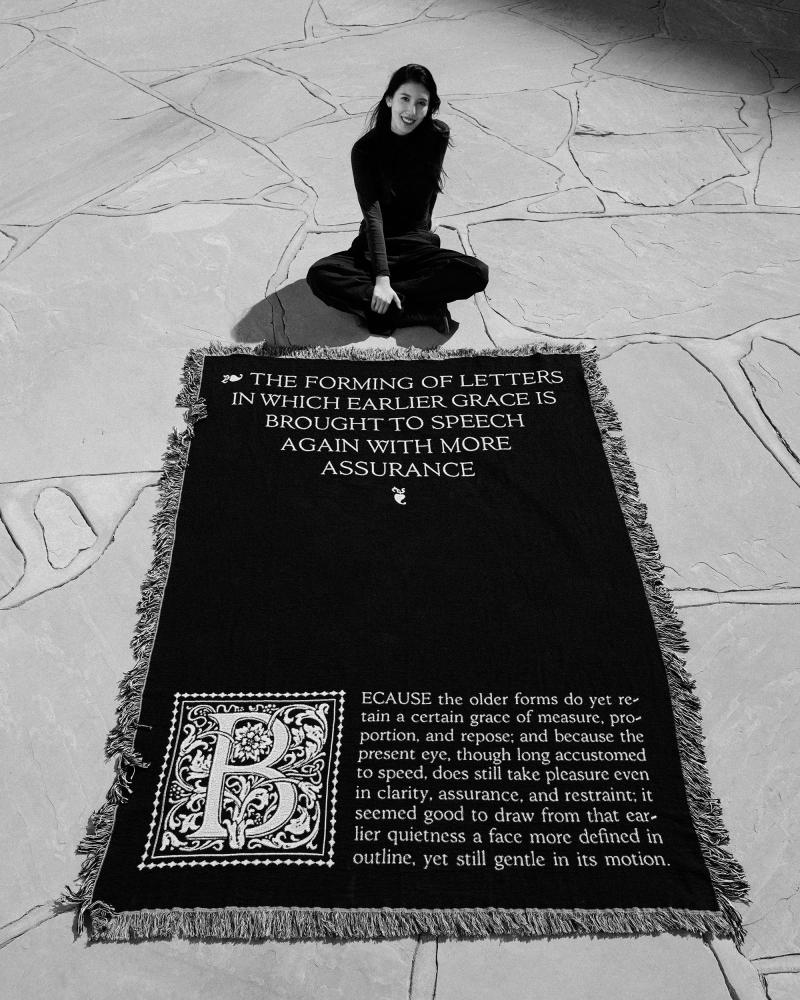
Creative Boom: Inspiration Graphic Design 'What if this idea lived somewhere else?' Aiqi Zhang on designing across mediums From handmade films to woven typographic blankets, the Mother LA senior designer is interested in graphic design that refuses to stick to one format. Written By: Ayla Angelos 7 July 2026 Aiqi Zhang / Credence Display Type Specimen For Aiqi Zhang, her ideas tend to start with a question: "When I see something interesting, I often start asking 'what if,'" she says.
"What if this idea lived in a different medium, what if the message changed, or what if the same execution became larger, more physical, or more interactive?" This drive to thrash between mediums and break the rules a little shows up everywhere in her work, whether that's a typeface that becomes a blanket, a logo abstracted from the memory of fish tanks or a film with handcrafted typography.
"I like collecting those small observations and imagining how they could become part of a stronger or more unexpected design idea." Aiqi Zhang is a senior designer at Mother LA, working across brand identity, campaign systems, typography and visual storytelling. Before Mother, she spent several years at TBWA\Media Arts Lab developing creative concepts for Apple's brand systems and campaigns, working closely with teams across art direction, typography, motion and production. Across both roles, what has stayed consistent is a refusal to treat format as neutral.
"I find inspiration in moments where the medium becomes part of the idea," she says. "It could be a storefront installation where the scale of the image changes the way people experience the product, a printed piece where texture or production method adds meaning, or a digital experience where interaction becomes part of the storytelling.
I'm drawn to work where the format is not just a container, but part of how the idea is understood." Firstborn Restaurant Identity Firstborn Restaurant Identity Firstborn Restaurant Identity Once Aiqi has a project bubbling away, she will sit and muse over it, taking time to indulge her ideas before putting any pen to paper (or so to speak). She needs to understand the core of the project first, identifying what it needs to say, who it's speaking to, the context in which it lives, and the emotions it's going to evoke. "Strategy is important to me because it gives the visual work a reason to exist," she adds.
Next up is the research, which forms a large chunk of her process. This includes digging into visual references, type history, cultural context, materials, and, crucially, talking to people. "I like to have conversations with clients, collaborators, people who understand the story, craft, or community behind a subject, or people who may experience the work in real life," she explains. "Those conversations often reveal details that you cannot find just by looking at images online." Only then does she begin translating findings into form, testing and refining until the work feels grounded in strategy while carrying its own emotional weight.
Article truncated for readability. Read the full piece →
Aiqi Zhang's insights on integrating medium with brand identity are significant for the industry, offering a fresh perspective that is relevant to brand strategy professionals seeking to enhance their visual communication.
Weekly digest
Get the Signal digest
Every Monday morning — the top 3 brand trends, 10 high-signal articles, and one emerging signal to watch.
No spam. Unsubscribe anytime.