Score
Alamo Drafthouse CEO clears the air on that controversial new phone policy
Alamo Drafthouse's recent transition to a mobile ordering system has sparked significant backlash from loyal fans who feel it contradicts the brand's long-standing commitment to a distraction-free movie experience. Despite the negative reception, the company reports improved operational efficiency and increased revenue, suggesting that embracing technological advancements may be essential for the brand's sustainability and growth in a competitive market.
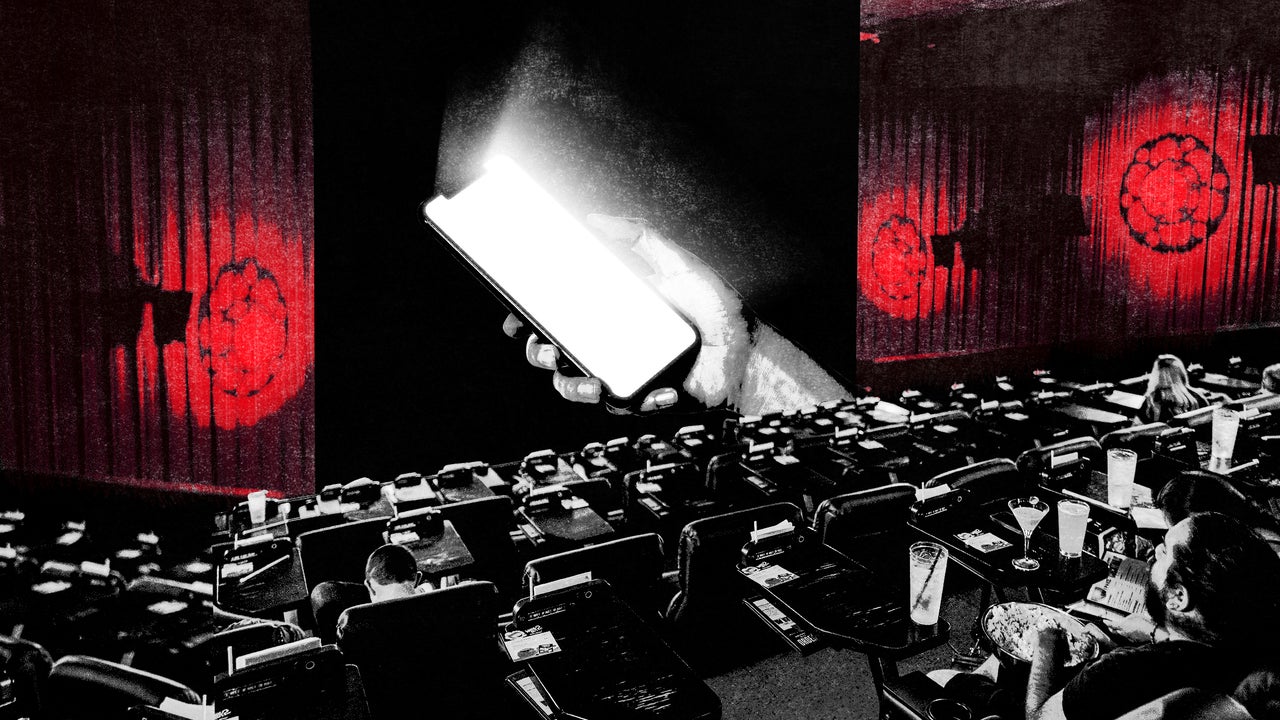
FastCompany: In February, Alamo Drafthouse —the theater chain known for its food and drink service, retro branding , and diverse film programming—started rolling out a major operational change. The brand phased out its on-paper food and drink ordering system for a QR code system that requires viewers to order from their phones. The move was designed to solve a host of operational problems for the brand’s employees and guests. Then, the uproar began. “This hurt more than, like, most of the breakups I’ve had,” Andy Young, a film and TV editor in Los Angeles, told The New York Times .
The actor Elijah Wood tweeted that the new experience was “truly awful.” The Alamo Drafthouse subreddit exploded with backlash . Employees at one location in Denver held a strike to protest disruptions to their work. A Change.org petition , which now has over 10,000 signatures, emerged to call for a reversal of the new policy. [Images: Alamo Drafthouse] The vocal response was almost entirely negative—and it largely stems from the fact that the Alamo has long established itself as a distraction-free movie viewing space with its “Don’t Talk” marketing campaign.
To many loyal fans, the Alamo was one of the last bastions of the phoneless world, and this new mobile ordering system represented the downfall of that ethos for a corporate check. Alamo Drafthouse’s executive leadership sees things differently. Multiple sources told Fast Company that, in many ways, Alamo’s previous operational design was broken—causing more interruptions for guests and more work for employees behind the scenes.
The results of the new mobile ordering system, they say, simply don’t match up with the backlash: Alamo is having its best year for box office revenue since 2019, employees are netting higher take-home pay on average, and guests are placing more in-theater orders than ever before. “Alamo Drafthouse has always been focused on delivering the best moviegoing experience possible,” CEO Michael Kustermann says. “Technology has evolved, and we want to embrace the ability to evolve with it if it improves the cinematic experience.
We believe it does.” [Photo: Thomas Ryan Allison/Bloomberg/Getty Images] What’s happened Alamo Drafthouse began in 1997 in Austin as the brainchild of Tim and Karrie League , a husband and wife team. The initial location showed specialty programming not available at other theaters, hosted themed events, reunion screenings, and director retrospectives, and served a limited in-house menu. Since then, Alamo has grown into an enterprise with around 40 locations nationwide, and it was acquired by Sony Pictures Entertainment in 2024 for an estimated $200 million .
Today, the brand programs more films than any other circuit every year, still hosts events, and serves food and drinks (though now with a much more expansive menu). And, until recently, Alamo relied on a purely analog system to take customers’ orders. Viewers would look at physical menus placed at their seats, write their orders on a slip of paper, and use a call button to let employees know that their order was ready to be collected. At the end of the night, receipts were doled out by waiters and payment was collected from the aisles.
Article truncated for readability. Read the full piece →
The article discusses a significant shift in policy for a well-known brand that impacts customer experience and operational strategy, making it highly relevant for brand strategy professionals, though the concept of mobile ordering is not entirely new.
Weekly digest
Get the Signal digest
Every Monday morning — the top 3 brand trends, 10 high-signal articles, and one emerging signal to watch.
No spam. Unsubscribe anytime.