Score
This organization’s blueprint for ending street homelessness is as obvious as it is effective
DignityMoves is redefining the approach to addressing street homelessness by promoting interim housing as a viable and cost-effective solution. This strategy emphasizes the importance of immediate action to provide dignity and shelter while permanent housing is developed, highlighting a shift in brand strategy towards more flexible and humane solutions in social issues.
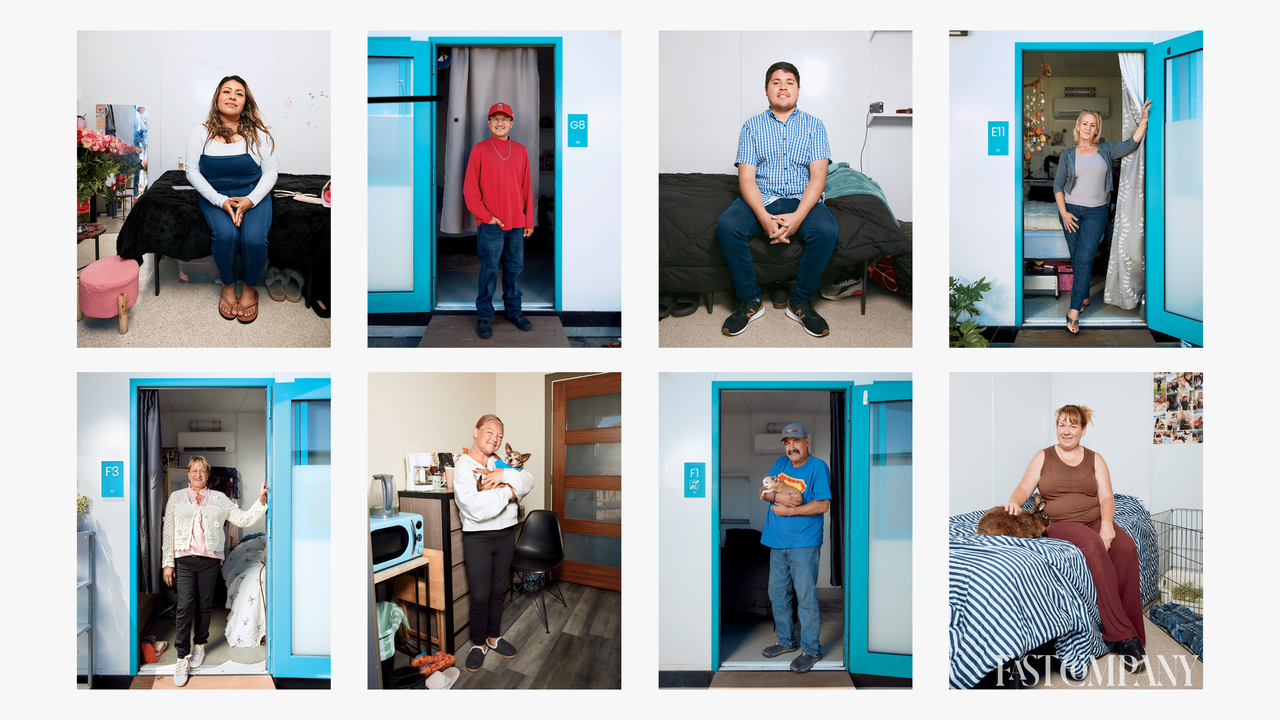
FastCompany: Housing is the “no-duh” solution to homelessness. Cities and advocates for decades emphasized the need to build permanent homes, but that is time-consuming and expensive. DignityMoves is showing that nonpermanent housing can be a fast, cheap, and effective alternative. “Let’s let go of this idea of permanent housing being the only solution,” says Elizabeth Funk, founder and CEO of the San Francisco–based organization that builds interim housing communities to get people off the streets quickly.
“And let’s get people indoors into something dignified that’s really cost-effective while we build the permanent housing that we need.” DignityMoves communities are like small apartment complexes built from modular structures on borrowed land. Each unit is a private cabin with a locking door and basic residential amenities. Residents, who stay an average of eight months, are given three meals a day and paired with a case manager to ease the transition. The nonprofit’s first community opened in San Francisco in 2022. Its 70 cabins cost $2.2 million and took just four months to construct.
Today, DignityMoves has opened 12 sites across California, with nine more in development. It has helped nearly 2,000 transition out of street homelessness. Funk says the key to getting cities on board is simply explaining the cost savings. She says temporarily housing someone costs a city half of what it would spend per person via police interactions, social worker outreach, and emergency room visits. “When I frame it that way, it sounds so obvious,” she says.
Interim housing is not the end solution to homelessness, but Funk argues that letting people languish on the street while they wait for permanent housing is an unethical approach to a societal problem. “The humane thing to do,” she says, “is to get everyone indoors.” Explore the full list of Fast Company’s World Changing Ideas , 191 projects that are making the world more accessible, equitable, and sustainable.
The article discusses a significant shift in addressing street homelessness that could influence brand strategies in social issues, making it impactful and relevant for brand strategy professionals, while also presenting a relatively novel approach to a longstanding problem.