Score
OpenAI’s new dots agent comes with a crew of friendly mascots
OpenAI's introduction of the 'dots' AI agents, designed with friendly mascots, represents a strategic move to enhance user trust and engagement in a climate of skepticism towards AI technology. By anthropomorphizing these agents, OpenAI aims to mitigate fears associated with AI, making them appear more approachable and user-friendly, which is crucial for adoption in everyday tasks.
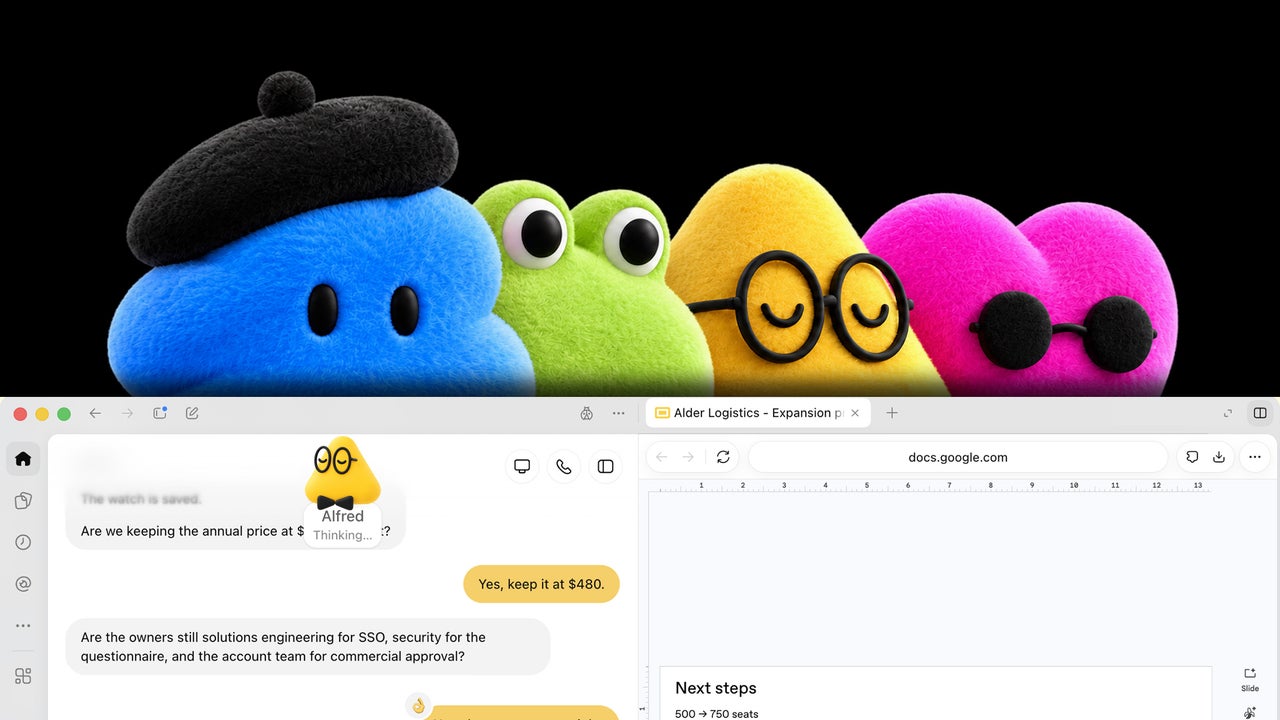
FastCompany: OpenAI just announced a new suite of AI agents called “dots,” and they look like something you might find in an animated kids show. Dots were the star among more than 20 announcements made at OpenAI’s fourth annual developer conference, DevDay , which took place on September 29 in San Francisco.
According to an official blog post, dots are “remarkably capable, always-on agents” powered by GPT-6 Astra , OpenAI’s latest model, that “get to know what matters to you, are always working on your behalf, and take important work off your plate.” Rather than mimicking OpenAI’s iconic void logo , each dot comes with its own cutesy, blobby character design—including a triangle with a bow tie, a bunny with headphones, and a cloud with a beret.
Dots are arriving at a moment when consumers are especially wary of AI agents—a fear that’s only been augmented by OpenAI’s own struggles with rogue agents and CEO Sam Altman’s calls for a slowdown in AI development. For their part, dots seem designed to defang the technology as it begins to ask for more personal information and attempts to play a bigger role in our everyday lives. [Image: OpenAI] What are dots? Dots, like all AI agents , are designed to perform tasks on behalf of their human users, sometimes even before the users themselves have asked for help.
As OpenAI’s blog post explains, dots have their own cloud computer, learn from feedback over time, and can connect with over 4,000 apps through the platform’s ecosystem of plug-ins. Users can work with a dot the same way they might with a human teammate—by asking questions or giving feedback on ChatGPT, Slack, or Teams, or even hopping on a voice call. Because these agents are always on, they can autonomously work through a project in their own cloud environment and browser. “Your dot can take a project and run with it, even while it’s working on several others,” the post reads.
“You can keep bringing it new tasks and ideas without having to juggle separate threads or direct every step.” For example, an app developer might ask their dot to watch customer feedback for recurring requests, scope small bug fixes, build and test them, and deliver them to the user for review. A scientist might teach their dot research questions and ask it to investigate unexpected results and flag them for review. A content creator might use their dot to read through interview transcripts and identify moments for clips.
[Image: OpenAI] For the time being, users will start with a primary dot, give it a name, and customize it based on their use case. Examples of possible dot designs include a plump, smiling frog named Todd, a sunglass-wearing heart named Jojo, and a puffy blue cloud named Felipe. Much like Meta did with its anthropomorphic Muse agent that launched earlier this month, OpenAI clearly invested resources into making its new agents feel like cute, friendly helpers. Why are dots so cute? That cuteness factor is notable in a moment when AI agents are grappling with a reputation as anything but sweet and harmless.
Article truncated for readability. Read the full piece →
The introduction of friendly mascots for AI agents is a significant strategy for enhancing user trust and engagement, making it highly relevant and somewhat novel in the context of brand strategy in the tech industry.
Weekly digest
Get the Signal digest
Every Monday morning — the top 3 brand trends, 10 high-signal articles, and one emerging signal to watch.
No spam. Unsubscribe anytime.