Score
Chief Medical Officer Dr. Kristina Newport On The Healthcare Leadership Operating System
The insights from Dr. Kristina Newport emphasize the importance of human-centered approaches in healthcare leadership and innovation. For brand strategy, this means that organizations must prioritize understanding and addressing the unique needs of their communities, ensuring that innovations translate effectively to enhance patient care and equity. By fostering a culture of open dialogue and mentorship, brands can strengthen their identity and connection with both healthcare professionals and patients.
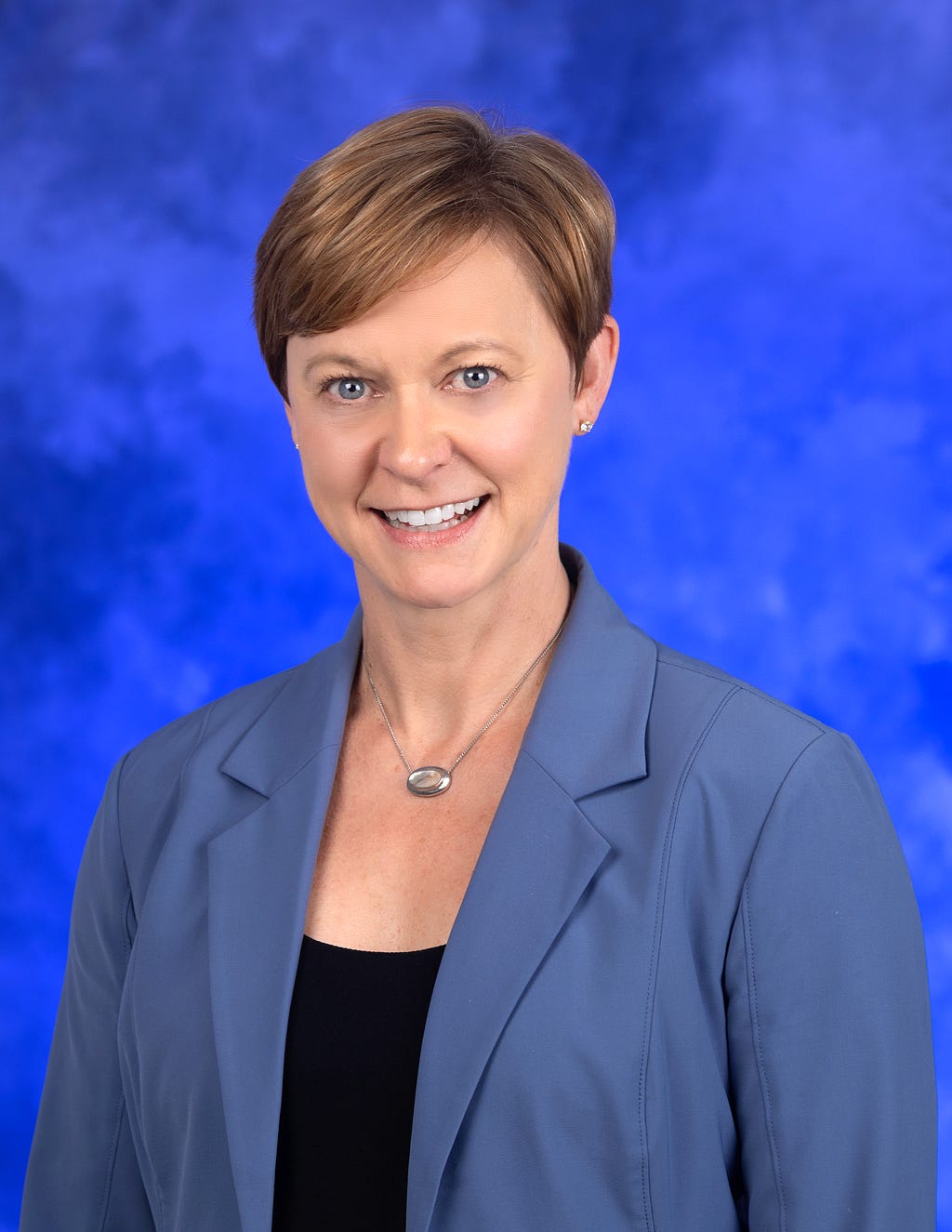
Authority Magazine: Chief Medical Officer Dr. Kristina Newport On The Healthcare Leadership Operating System By Savio P. Clemente -- Listen Share We cannot fix a problem if we are not allowed to examine it or talk about it. We cannot fix a problem if we are not allowed to examine it or talk about it. As part of my series, ‘The Healthcare Leadership Operating System,’ I interviewed Dr. Kristina Newport, Chief Medical Officer for the American Academy of Hospice & Palliative Medicine, the membership organization representing >5,000 HPM professionals in the United States. Dr.
Newport works under the Board of Directors at AAHPM, helping to educate and advocate for access to high-quality hospice and palliative care. She is Co-Chair of the National Consensus Project Clinical Practice Guideline Update for Palliative Care, establishing quality standards for the field. At AAHPM, she has refocused advocacy for hospice quality and re-established a transparent process for position statements. She is also Chief of Palliative Care at Penn State Health and Penn State College of Medicine (PSUCOM), leading community and academic palliative programs since 2018.
An Associate Professor, she directs the Serious Illness Care Program and Advance Care Planning Task Force, teaches medical students, residents, and fellows, and under her leadership, Penn State Palliative Care teams have doubled in size, serving over 3,000 patients annually. Dr. Newport completed her Internal Medicine Residency at Penn State Hershey Medical Center and her Hospice & Palliative Medicine Fellowship at Virginia Commonwealth University. She leads the Susquehanna Valley Palliative Care Coalition and is President and Founder of Oncologist in My Pocket, a nonprofit training clinicians in upstream palliative care.
With more than 20 peer-reviewed publications, her work focuses on early care for serious illness. She has cared for patients in central Pennsylvania since 2009. Outside work, she enjoys running, gardening, and spending time with her spouse and two children. Dr. Newport, thanks so much for chatting with us today. From what you’ve seen, what’s the most promising clinical innovation happening in your organization right now? As Chief Medical Officer for the American Academy of Hospice and Palliative Medicine, that work is not specifically within the healthcare system, but it’s supporting our members who are delivering healthcare.
And some of the important ways that we work towards that are engaging and mentoring the next generation of healthcare professionals. So we have a specific mission to try to engage folks that may not have considered entering hospice and palliative medicine, and sponsoring them to participate in our activities, matching them with a mentor to help them understand the pathway to getting into the field. And that’s been a really important philanthropically funded effort that we work on to try to engage folks. We know that it’s important for people in their communities to see somebody who they can relate to in the care that they provide.
Specifically in hospice and palliative care, which are such personal needs and some of the most vulnerable times in people’s lives, it’s really great when people are in the field who can relate to the people in their community and speak to them in a way that’s meaningful to them. So that’s been a big initiative that’s been really well received, and we continue to try to grow that effort. I think one of the other big ways that folks in our fields are really focusing on is to try and understand people’s cultural backgrounds and priorities and understand whether our health system fits them or not.
Article truncated for readability. Read the full piece →
The article discusses a significant shift towards human-centered approaches in healthcare leadership, which is impactful for brand strategy professionals in the healthcare sector, though the concepts of community engagement and mentorship are not entirely new.