Score
Accessibility is more than a design problem
Apple's recent accessibility initiatives highlight the importance of integrating user feedback from the disabled community into product design, marking a shift towards more inclusive technology. This approach not only enhances functionality but also addresses aesthetic concerns, ultimately positioning accessibility as a critical component of brand strategy that can differentiate products in a competitive market.
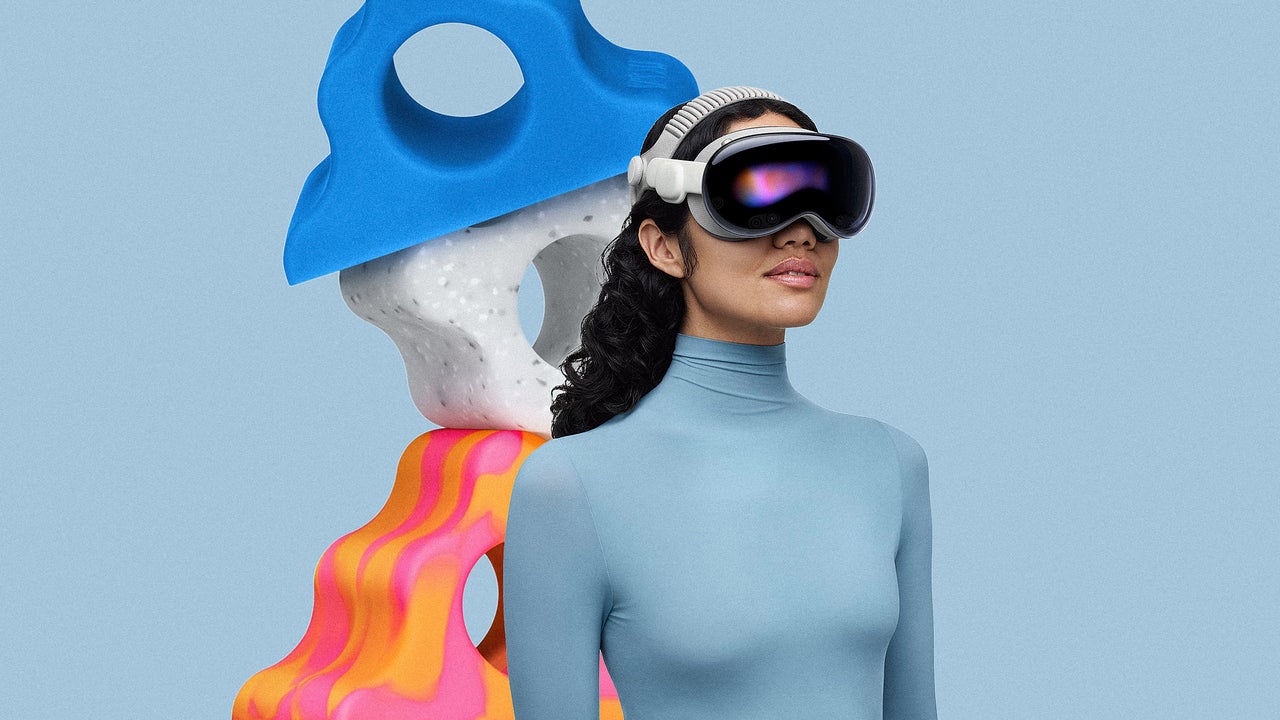
FastCompany: Last month, Apple marked Global Accessibility Awareness Day with a sweeping round of accessibility updates and announcements , including a new eye-controlled wheelchair interface for Vision Pro and the global launch of Los Angeles-based designer Bailey Hikawa’s adaptive MagSafe Grip & Stand for iPhone. Together, the announcements span nearly the entire spectrum of assistive technology, from a $3,500 spatial computing headset to a silicone phone grip. Both raise the same underlying question: What does it actually take for consumer tech to get accessibility right?
The adaptive grip marks Hikawa’s first intentional venture into inclusive design, though in some ways it’s a natural extension of the maximalist iPhone cases she’s already known for online: bold colorways, sculptural ergonomics, the kind of design object that’s less a utilitarian accessory and more a playful statement piece that every cool girl on Instagram is holding in her mirror selfie. [Photo: Apple] Designed in close collaboration with people whose disabilities affect muscle strength, dexterity, and hand control, the Grip & Stand is a soft, triangular silicone form that snaps magnetically onto any MagSafe-compatible iPhone.
It doubles as a phone stand and comes in three Apple-exclusive colors: orange swirl, speckled stone, and glow-in-the-dark blue. Launching the grip globally required a manufacturing partner. Hikawa initially released the Grip & Stand as a limited edition through Apple in November, where it sold out within days. PopSockets then partnered to scale production for a wider May release through Apple’s retail channels, a trajectory that reflects broader demand in the market. A recent Harris Poll survey found that 76% of respondents felt accessible technology products are typically designed for function over style.
The Grip & Stand was built to close that gap. Community-led design Apple’s accessibility work dates back to the 1980s, when it established its disability solutions office, and has since evolved into built-in features such as VoiceOver, Switch Control, Assistive Access, and Live Speech, which now ship as standard across iPhone, iPad, and Mac. Hikawa’s MagSafe Grip & Stand was developed in celebration of the company’s 40-year anniversary of accessibility initiatives, and from the start, Apple insisted on a different approach than the industry norm.
Too often, mainstream brands entering the adaptive design space work top-down, guided more by nondisabled clinicians than by the end users’ lived experiences. “Apple came to me and said they wanted to design an adaptive grip, but not without the disability community,” Hikawa explains. Before prototyping even began, Hikawa spent several months talking with people across a diverse range of abilities about how they used their phones: what worked, what didn’t, from aesthetics to ergonomics. Shane Burcaw, a disability advocate and YouTuber, was part of that early R&D phase.
He explains that his iPhone has always been an assistive tech device for him. “Apple products have been at the heart of my work and social life for years,” he says. “I’ve written my books on my phone. I use voice-to-text for communicating with everyone.” When prototyping began, Hikawa invited collaborators into her studio. “It was like being a kid and playing, just putting different things on my phone and seeing how they fit in my lap and in my hands,” Burcaw recalls. “Bailey was genuinely interested in all of our feedback, good or bad. Having a wide range of people with different disabilities was really important, too.
Article truncated for readability. Read the full piece →
The article discusses a significant shift in brand strategy towards inclusivity, driven by a major player like Apple, making it highly impactful and relevant for brand strategy professionals, while the concept of integrating accessibility into design is becoming more recognized but still carries a degree of novelty.