Score
The $100 billion comeback of the American tween
The resurgence of tween culture presents a significant opportunity for brands to tap into a demographic that has been largely overlooked in recent years. With Gen Alpha's substantial spending power and the growing influence of tweens on household purchasing decisions, brands that successfully cater to their unique needs and preferences stand to gain a lucrative market share.
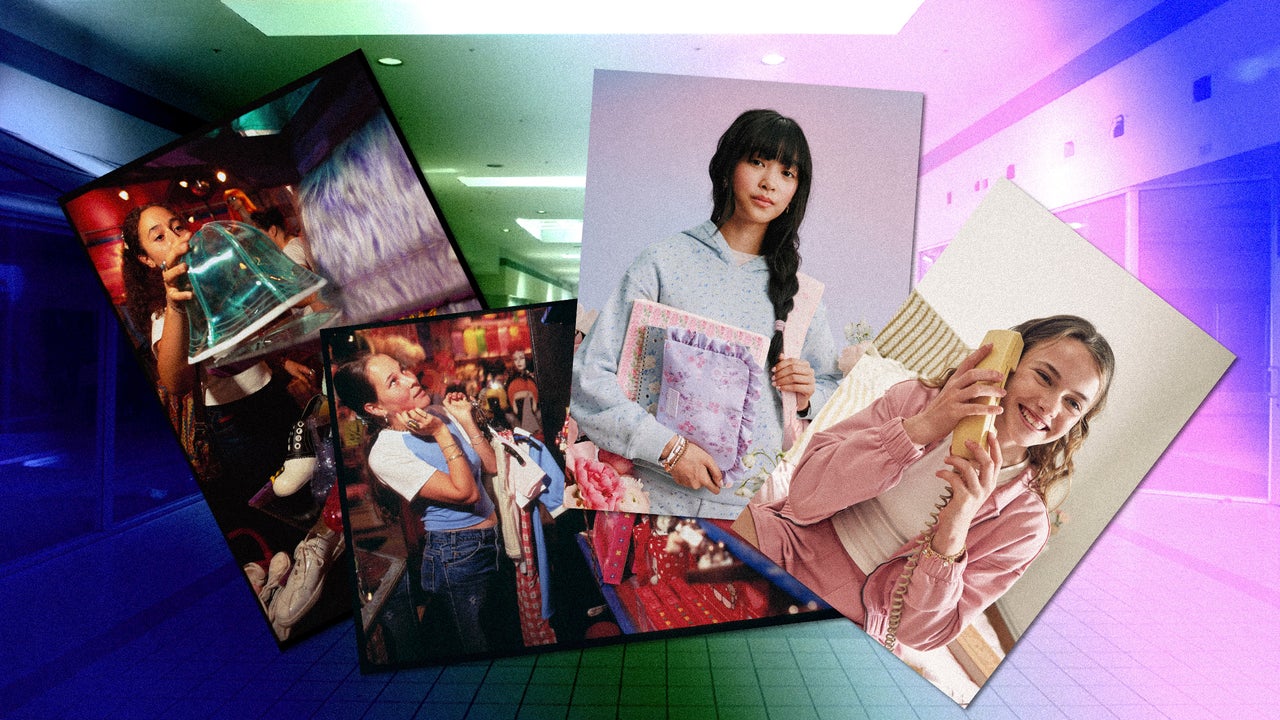
FastCompany: I remember stepping into the mall as an 11-year-old with a sequined purse stuffed with pocket money. I’d pop into Claire’s to buy some watermelon Lip Smackers, then hit up Limited Too for baby Ts. Back home, there would be a Delia’s catalog waiting for me with ideas of how to style cargo pants. Or the latest issue of YM or Bop , full of quizzes to figure out which Spice Girl I was. (For the record, I was Posh.) In 1994, brands took tweens seriously as customers.
They created a culture around them (girls, in particular), where not-quite-teenagers could tinker with the trappings of womanhood—lip gloss and slightly more fitted clothing—without straying out of their comfort zones. But over the past two decades, tween culture has been dismantled piece by piece. The mall (the tween’s natural habitat) began dying off, causing brands like Limited Too and Claire’s to struggle. Tween magazines closed, one after another, as part of the broader hollowing out of the media landscape. But in an unexpected twist, retailers appear to be rediscovering the power of the tween.
Walmart and Target have recently launched collections targeting the demographic. The chic children’s retailer Maisonette created Neon Rebels, a new brand for ages 7 to 14 that curates tween clothes and beauty products. There are many tween-focused skincare startups popping up, including Pipa, Bubble , and Evereden . Millennial-focused brands like Away now see tweens as a possible new market. And even the old favorites are coming back: With an infusion of cash from private equity, Claire’s is redesigning its stores, and Kohl’s has relaunched Limited Too.
A tween renaissance is coming, and the brands that crack the code stand to earn a big payday. Gen Alpha already has more than $100 billion in annual spending power, and these kids influence 42% of household spending. In 2023 alone, tweens spent $4.7 billion on beauty products. In the $225 billion global children’s apparel market, retailers say kids 10 and older represent a rapidly expanding piece of the pie. “The tween is going to be a very fast-growing market,” says AJ Nicholas, president of Maisonette.
“There is just so much market share up for grabs.” [Photo: Bob Carey/ Los Angeles Times /Getty Images] Why Tween Culture Disappeared The ’90s tween economy was built on a piece of physical infrastructure: the suburban mall. For decades, it was the place parents could safely drop off their middle schooler; it was patrolled by security guards, so kids could safely rove through the food court or arcade in packs. “Malls were the place you would hang out with your friends back then,” says Away CEO Jessica Schinazi. These young consumers had money in their pockets, and brands were eager to get a piece of it.
Claire’s, Limited Too, and Justice were stocked with affordable products carefully curated to tween tastes. Bath & Body Works launched a tween-focused brand called Art Stuff that had roll-on glitter and shimmer powder puffs. A Claire’s storefront, circa 2002 [Photos: Tim Boyle/Getty Images] Then, in the early 2000s, e-commerce emerged. Consumers spent less time at the mall and foot traffic thinned. As stores saw drops in revenue and shuttered, malls became less inviting, creating a vicious cycle. Teen mall visits dropped roughly 30% from 2004 to 2014. The newer brands targeted millennials, who spent a lot of time online and on social media.
Article truncated for readability. Read the full piece →
The article highlights a significant market opportunity in the tween demographic, which is highly relevant for brand strategy professionals looking to engage with emerging consumer segments.
Weekly digest
Get the Signal digest
Every Monday morning — the top 3 brand trends, 10 high-signal articles, and one emerging signal to watch.
No spam. Unsubscribe anytime.