Score
The Top 15 Illustrators Of 2026 As Chosen By The Creative Community
The emergence of a new generation of illustrators in 2026 highlights the increasing importance of distinctive artistic voices in brand strategy. As brands face the risk of homogenization due to AI-generated visuals, leveraging unique, handmade illustrations can create a stronger emotional connection with consumers and differentiate brand identity in a crowded market.
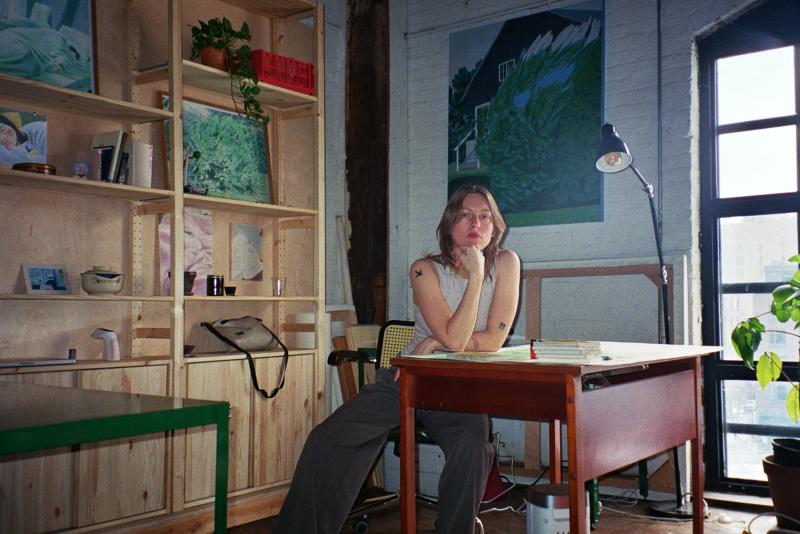
Creative Boom: Inspiration Illustration The top 15 illustrators of 2026, as chosen by the community Not our picks, yours. These are the illustrators earning the most admiration from the creative community in 2026. Written By: Tom May 16 April 2026 Karlotta Freier Around this time each year, our State of Creativity survey asks working creatives who inspires them most. With more than 1,000 responses already in, and the survey still running for a few more weeks, here are the illustrators who've come up again and again.
Many of the legends of illustration are absent from this top 15, but they haven't been forgotten: the likes of Ralph Steadman (now 89) and Quentin Blake (93) received nominations too. However, the names that rose to the top this year skew fresher: a diverse, globally spread group redefining what illustration looks like in 2026. What's striking is how many of these illustrators are doubling down on the very things AI cannot replicate: a personal point of view, a handmade quality, a visual language built over years rather than generated in seconds.
In a landscape where stock imagery is increasingly AI-produced and brand visuals risk homogenising at speed, the value of a distinctive illustrative voice has never felt more urgent… or, indeed, more commercially relevant. 1. Noma Bar Noma Bar is a London-based Israeli graphic artist whose mastery of negative space has made him one of the most recognisable illustrators working today. Through flat colour and ruthless economy of line, Noma creates portraits and editorial images that carry double meanings—political, satirical and deeply human—for The New Yorker, The Guardian, The New York Times and The Economist.
His 2016 animation for NewYork-Presbyterian Hospital, seen by over 40 million people during the Super Bowl, is now in MoMA's permanent collection. 2. Tom Haugomat Tom Haugomat is a Paris-born illustrator whose cinematic, pastel-toned work evokes American illustration of the 1950s and 1960s: all atmospheric light, quiet moments and nostalgic warmth. Tom studied at Gobelins and has built a reputation for work that feels simultaneously still and deeply alive.
Case in point: his series for Tesco's Finest tea range transported consumers to tea-growing regions worldwide, through images that worked equally as packaging art and standalone illustration. Work for Tesco 3. Malika Favre A French artist based in Barcelona, Malika has a minimal style rooted in a strong narrative core and a talent for making the ordinary feel extraordinary. She has created covers for The New Yorker, editorial work for Vogue and Vanity Fair, and the poster artwork for the Montreux Jazz Festival. Her monograph, published by Counter-Print, appeared in 2019 with an expanded edition in 2022.
Beyond illustration, she and art director George Wu recently launched an online bazaar of handpicked design objects, which grew out of a cult Instagram account with over 320,000 followers. Read more on that here. Malika Favre 4. Seb Curi Seb is an Argentine-born, Barcelona-based illustrator and animator whose cartoonish figures and vibrant palettes bring an infectious optimism to everything he touches. Trained in animation and post-production, Curi brings a storytelling sensibility to commercial illustration for Apple, Nike, Spotify, Google, Zara and The New York Times.
Article truncated for readability. Read the full piece →
The article discusses the significance of unique illustrations in branding, which is increasingly relevant as brands seek differentiation in a competitive market, though the concept of using distinct artistic voices is not entirely new.
Weekly digest
Get the Signal digest
Every Monday morning — the top 3 brand trends, 10 high-signal articles, and one emerging signal to watch.
No spam. Unsubscribe anytime.