Score
The perfect pillow does exist. It just might take you a while to find it
The article highlights the evolving pillow market, emphasizing the need for brands to innovate in design and materials to cater to diverse consumer needs, particularly for those suffering from neck pain. For brand strategy, this means focusing on ergonomic solutions, personalization, and sustainability to differentiate offerings in a competitive landscape. As consumer preferences shift towards unique, functional designs, brands must leverage insights from health professionals and user feedback to create products that resonate with their target audience.
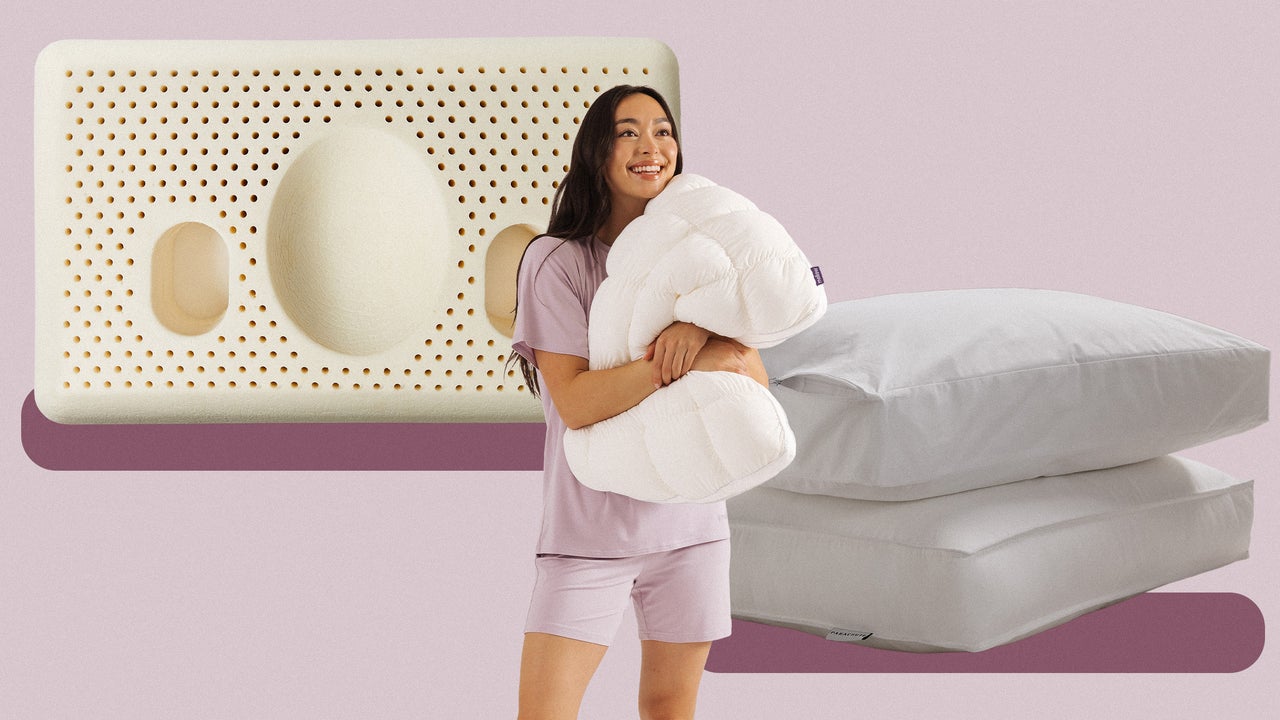
FastCompany: One morning in the middle of the summer, I woke up to an excruciating pain searing through my neck and left shoulder. I immediately booked a deep-tissue massage, but the relief lasted a day before the ache returned. After a few weeks of persistent discomfort, I visited my doctor who referred me to a physical therapist. After doing several tests, the therapist identified the culprit: my pillow. Since I’m a side sleeper, my head was collapsing toward the mattress, throwing my spine out of alignment. I was shocked that something so basic could be the cause of such physical misery. I am far from alone in this struggle.
Neck pain is a widespread issue around the world, affecting roughly 30% to 50% of adults annually. Studies show that poor sleep posture and inadequate cranial support are linked to chronic pain. According to spinal specialists, the way to avert this pain is to maintain a neutral spinal alignment, where the neck, shoulders, and spine form a continuous, straight line parallel to the mattress. It’s easier for back sleepers to achieve this goal, but side sleepers struggle.
When a pillow fails to bridge the negative space between the ear and the shoulder, muscle strain, nerve compression, and joint misalignment are almost inevitable over the course of an eight-hour night. [Photo: Coyuchi] The good news is that bedding brands are on a quest to support your neck. Over the past few years, brands across the home goods industry have been mounting an effort to completely redesign the pillow.
Incumbents like Tempur-Pedic were early pillow innovators, but a new generation of startups like Mellow, Parachute, Avocado, and Coyuchi are going back to the drawing board, rethinking the silhouette, construction, and materials of their pillows. But crafting the perfect pillow is an extraordinarily difficult design challenge. No two bodies are the same when it comes to shoulder breadth, torso length, and head weight, and moreover, people have different preferences when it comes to their sleep posture. All this means there is no universal, one-size-fits-all solution to spinal alignment.
But the wide range of options on the market mean that if you try enough pillows, you’re more likely than ever to find one that perfectly suits your body. A brief history of the pillow In the distant past, only the very privileged were fortunate enough to have something to rest their heads on. In ancient Egypt and Asia, pillows weren’t soft at all; the elite elevated their heads on carved wooden or stone headrests. In colder climates, people stuffed sacks with straw, cotton—or down feathers, for the wealthiest few—that were soft, but offered very little structural support.
It wasn’t until the industrial revolution that companies mass produced pillows that were affordable enough for the masses. For centuries, the basic concept of the pillow remained unchanged. The first major innovation occurred with the development of memory foam, which was originally developed by NASA in the 1960s to improve aircraft cushioning and safety. But shortly thereafter, companies began incorporating the material into mattresses and pillows, realizing that it could be molded into precise shapes to support the head and neck more effectively than loose feathers or cotton.
Article truncated for readability. Read the full piece →
The article addresses an evolving market with actionable insights for brand strategy professionals, though the topic of product innovation in consumer goods is not entirely new.