Score
Amrit Tietz doesn’t believe in ‘should’ when it comes to dressing for work
Amrit Tietz's approach to work attire emphasizes self-expression and individuality, challenging conventional workplace norms. Her philosophy suggests that brand strategies in fashion should prioritize authenticity and personal identity over conformity, encouraging brands to embrace diverse styles that resonate with consumers' unique tastes.
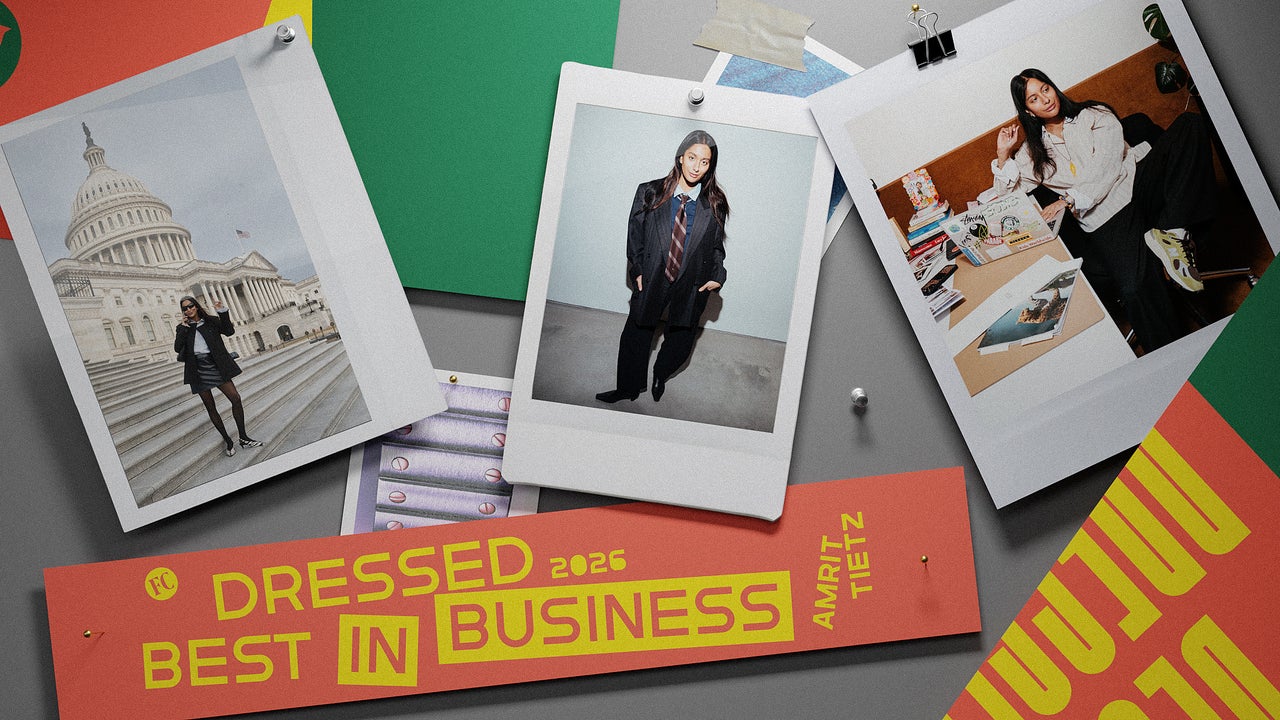
FastCompany: Some mothers are horrified when their 3-year-old insists on leaving the house in a mismatched tutu and T-shirt combo paired with rain boots even though the sun is out. They might attempt to steer their kid towards more muted, cohesive outfits. Not Amrit Tietz, the creative director and cofounder of the media company Spread the Jelly , which focuses on modern motherhood. Tietz finds herself inspired by her daughter’s looks. “She’s so free,” says Tietz. “She’ll wear butterfly clips and I’ll say, ‘Isn’t this fun?’ and put them in my hair as well.” Freedom fuels Tietz’s entire philosophy of getting dressed in the morning.
As a child, her own fashion sensibility was influenced by her Indian heritage—seeing the colorful, sequined fabrics her relatives wore—as well as her musical theatre friends who had no qualms about wearing dramatic, showstopping outfits to class. Tietz has always treated her wardrobe as a canvas for self-expression, routinely putting together looks that others might say clash: athletic shorts with lace tops, T-shirts with vintage Chanel skirt suits. [Source images: Courtesy Amrit Tietz, Adobe Stock (textures)] In the corporate world, she’s refused to change the way she dresses to accommodate workplace norms.
In her first job, one of her bosses once remarked that it looked like she was wearing a nightgown to a pitch meeting, and she retorted that she actually was wearing a silk slip under her blazer. “Why the hell not?” Tietz says. “It wasn’t inappropriate, and it was definitely unexpected.” For Tietz, getting dressed in the morning should be fun. But perhaps more importantly, it is her way of pushing back against a culture that tries to make people conform to a fixed idea of what is proper—even if that means suppressing people’s identities. “I am not interested in dressing for someone else to feel comfortable,” she says.
“I want to feel good, and you should too.” Describe your style in a sentence. Zany, eccentric, flamboyant. What’s the one piece in your closet you’ll never get rid of? My Cartier Santos watch, because it was a gift from my husband. [Source images: Courtesy Amrit Tietz, Cartier, Adobe Stock (textures)] How long does it take you to get dressed in the morning? About 5 to 10 minutes, mostly because all my energy goes toward getting my daughter out the door, so I’ve had to streamline my routine pretty quickly. What do you wear to a big meeting?
I love a vintage skirt suit or pant suit that’s been tailored to fit me well, styled with a fun accessory like a cute bag, statement eyewear, or jewelry. What’s the best piece of fashion advice you’ve ever gotten? Follow your heart when you’re dressing, and dress for your body rather than following trends—it always makes you look more polished and less like a fashion victim. What’s one thing anyone can do to dress better at work? Incorporate an element of casualness or effortlessness—like mixing sporty, streetwear, or athleisure pieces with traditional tailoring to make the outfit feel unexpected and uniquely yours.
[Source images: Courtesy Amrit Tietz, Relax Lacrosse, SugarSatea ( Clip )/ CC-BY 4.0 , Adobe Stock (textures)] What’s one brand everyone should know about? Relax Lacrosse . I wear her pieces so much—especially for the elastic waistbands—and love how her sporty aesthetic mixes with tailoring and streetwear. What’s your best piece of shopping advice? Invest in tailoring, especially for vintage and resale pieces; when clothing fits you well, you instantly look and feel confident. Who is your style North Star? Cher.
Article truncated for readability. Read the full piece →
Amrit Tietz's perspective on work attire challenges traditional norms and encourages brands to focus on authenticity, which is a significant and timely topic in the fashion industry, making it relevant and somewhat novel for brand strategy professionals.
Weekly digest
Get the Signal digest
Every Monday morning — the top 3 brand trends, 10 high-signal articles, and one emerging signal to watch.
No spam. Unsubscribe anytime.