Score
The Trump admin is so toxic, brands now have crisis responses for being used in propaganda
The article highlights how brands like Hasbro and Tetris are navigating the complexities of their intellectual property being co-opted for political propaganda by the Trump administration. This situation underscores the necessity for brands to develop clear crisis communication strategies that distance themselves from controversial uses of their IP, while also maintaining their core values to avoid backlash from consumers.
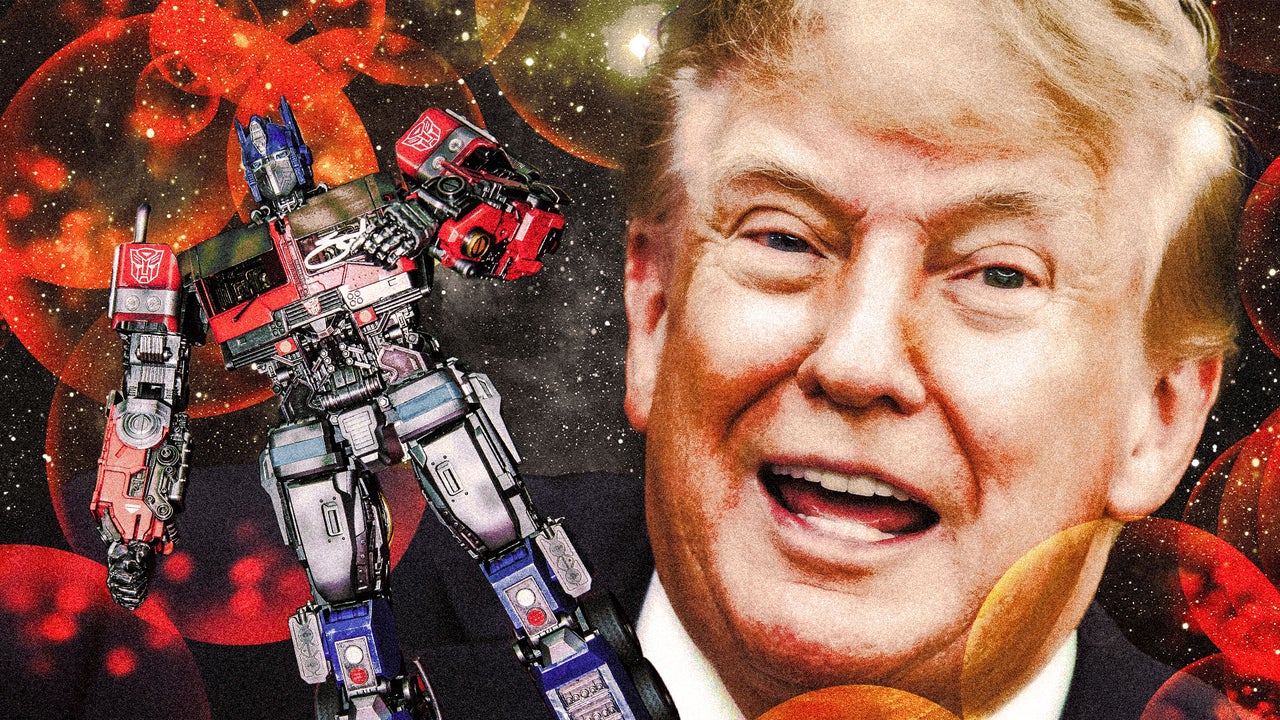
FastCompany: One of toy company Hasbro’s marquee pieces of intellectual property went through a different transformation than usual last week. Thanks to a series of social media posts by the Department of Homeland Security, Transformers, the venerable robots-disguised-as-trucks franchise, got a full-on MAGA makeover. In one entry, the series’ most recognizable character, Optimus Prime, is covered in DHS logos for an AI poster promoting the nonexistent blockbuster, Transformers: Age of Deportation . Hasbro quickly responded with an Instagram message disavowing the brazen copyright infringement, but it didn’t stop there.
The company also listed the values Optimus Prime stands for—suggesting these are in conflict with the ideas expressed by the DHS slopaganda. It’s not every day a toy company has to announce that the fictional robot truck it created—unlike the U.S. government, apparently—believes in things like leadership and justice. View this post on Instagram If the statement seems familiar, it’s because a near-identical one emerged just a week earlier.
After the White House launched a jingoist retro online arcade featuring a Tetris knockoff called “Build the Wall,” the company behind the classic moving puzzle game issued a dispatch nearly identical to Hasbro’s. This one similarly distanced the IP in question from the White House’s unlicensed abomination, and also reiterated the values Tetris stands for—but with the added bonus of promising legal action. (The White House has since taken down “Build the Wall.”) View this post on Instagram As the U.S.
government’s internet presence has morphed throughout the Trump 2 era into a sneering, copyright-agnostic meme-factory, brands have had to establish a new style of corporate communications for dealing with it. There’s more to this situation, however, than meets the eye . The Department of Edgelord Lulz Trump has a long history of using artists’ music in his campaign rallies and ads without permission, so it wasn’t a surprise he continued doing so as president.
In his second term, however, Trump and his cohort are no longer just featuring artists’ unlicensed work as peppy background noise for the MAGA message; they’ve started making it part of the message. The band Semisonic’s alt-rock hit, “Closing Time,” for instance, popped up in a March 2025 video from Customs and Border Protection depicting immigrants in shackles being led onto an airplane.
(In typical subtle-as-a-tack-hammer fashion, a caption onscreen repurposes a memorable line from the song: “You don’t have to go home but you can’t stay here.”) Semisonic put the White House on blast for “missing the point” of the lyrics, and eventually the video featuring the song was quietly removed. This little dance would happen again many other times with many other musicians . The DHS quickly expanded its purview beyond music, into other kinds of art.
Article truncated for readability. Read the full piece →
The article addresses a significant issue in brand management related to political contexts, making it highly relevant and impactful for brand strategy professionals, while also introducing some novel considerations for crisis communication.
Weekly digest
Get the Signal digest
Every Monday morning — the top 3 brand trends, 10 high-signal articles, and one emerging signal to watch.
No spam. Unsubscribe anytime.