Score
Target’s new shopping cart is built for Stanleys and Starbucks (exclusive)
Target's introduction of the new Series 3 shopping cart exemplifies a strategic focus on enhancing customer experience through thoughtful design and functionality. By prioritizing maneuverability and incorporating modern consumer behaviors, Target aims to reinforce its brand identity as an affordably chic retail destination while addressing competitive pressures from rivals like Amazon and Walmart.
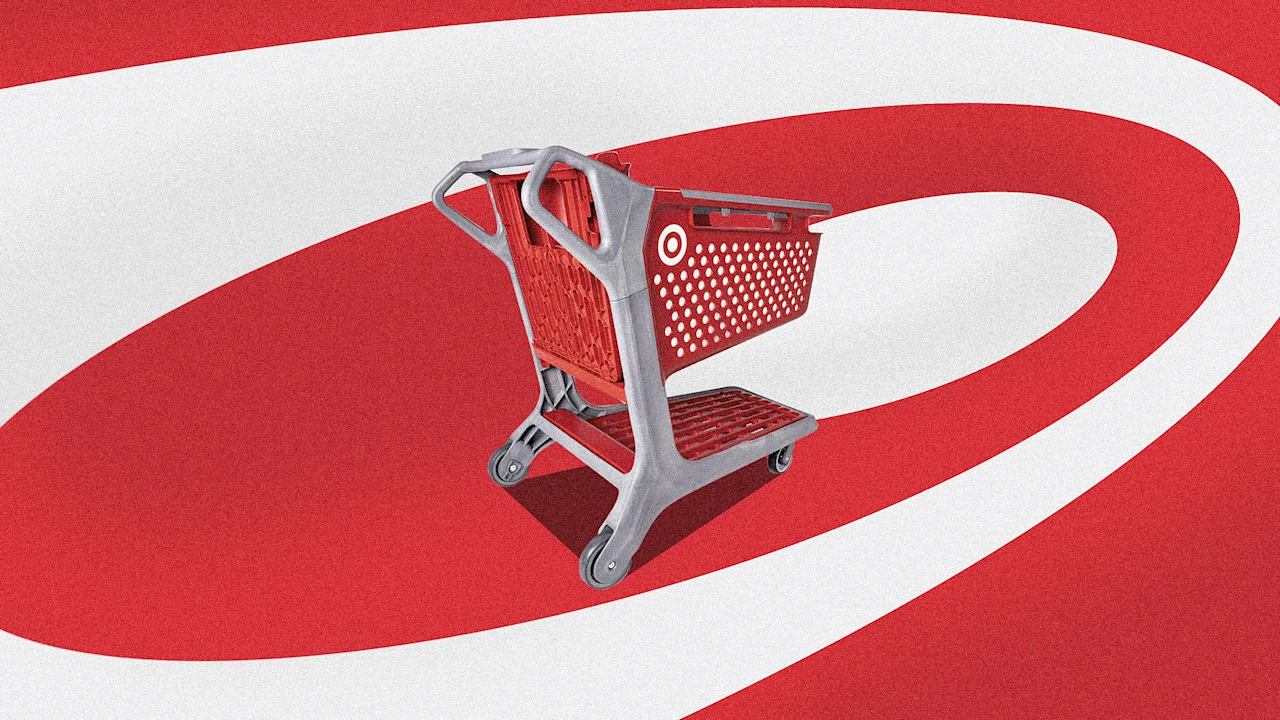
FastCompany: It’s the three-row SUV of big-box retail. Target’s bold red shopping cart has always anchored customers inside a Target store, promising a middle-class fancy experience. For the next few years, Target will be replacing its fleet of half a million shopping carts with an even beefier model that promises to hold more stuff while making it easier to maneuver around the store. It’s the first all-plastic design Target will launch nationwide, while paradoxically being more sustainable than Target carts of yore. And yes, it’ll even hold your big dumb cup .
“The cart for us is the first touchpoint that the guest meets right when they walk in the store,” says Sarah Deuth, VP of store design at Target. “It’s the most used item in our store, and then also it’s that item that carries you throughout the store.” [Photo: Target] In recent years, Target has seen its share of troubles. It has faced boycotts after reversing course on DEI , and watched its stock price tank as consumers swapped Target’s ever-so-more premium retail brand for Amazon’s ease of ordering and Walmart’s clean UX and commitment to affordability .
Target’s new CEO, Michael Fiddelke, plans to turn things around by going back to the company’s roots in an affordably chic retail experience. That alone might not work . But customer experience will always be an important differentiator in retail, and since introducing its iconic red cart in the 1970s, Target has been refining that cart’s design. Now the company is rolling out its latest version, the Series 3, informed by its last 20 years of consumer research and a few more modern trends. It’s an investment in the most literal touchpoint of shopping possible. What’s new in Target’s shopping cart?
As Target considered the latest iteration, which it designed in-house, it focused on the one thing it had heard and observed to be the most important part of any shopping cart: how it drives. “You’ll see guests, they’ll have their phone in one hand, beverage [in the other], and they’re pushing it with their elbows. Or they’re pushing it with one hand,” Deuth says.
“We are doing a million things while we’re shopping, so maneuverability and what they called ‘ease,’ ‘smooth ride,’ and ‘a cart going straight’ was more important than anything.” A decade ago, Target had already addressed part of this issue by swapping out its polyurethane wheels for rubber, which grips floors better. But a lot of controlling the cart has nothing to do with the wheels, casters, or bearings. If the frame bends, it stops steering predictably.
The “Hybrid” design, circa 2010s [Photo: Target] This insight led Target to reconsider its “hybrid” cart design that had been in use since 2014, which, like most shopping carts, used a metal frame—but wrapped that frame in plastic components. This seemed like a good idea: Metal is durable and plastic is durable. But metal is more prone to bending. And when fused together in Target’s shopping cart design, it was common for plastic and metal components to get misaligned at their junctions. So Target built the Series 3 completely out of plastic (save for a few components in the wheels)—which stays rigid so the cart should always drive straight.
Article truncated for readability. Read the full piece →
The article discusses a significant product innovation from a major retailer that reflects broader trends in consumer behavior and brand strategy, making it impactful and relevant, though not entirely novel in the context of retail design.