Score
With Meta’s Muse Charm, AI enters its kawaii era
Meta's introduction of the Muse Charm, a cute AI device, signifies a strategic shift in how technology companies can address consumer fears surrounding AI. By adopting a kawaii aesthetic and personifying AI in a friendly manner, Meta aims to foster trust and encourage mass adoption of its technology, potentially setting a new standard for brand strategies in the AI space.
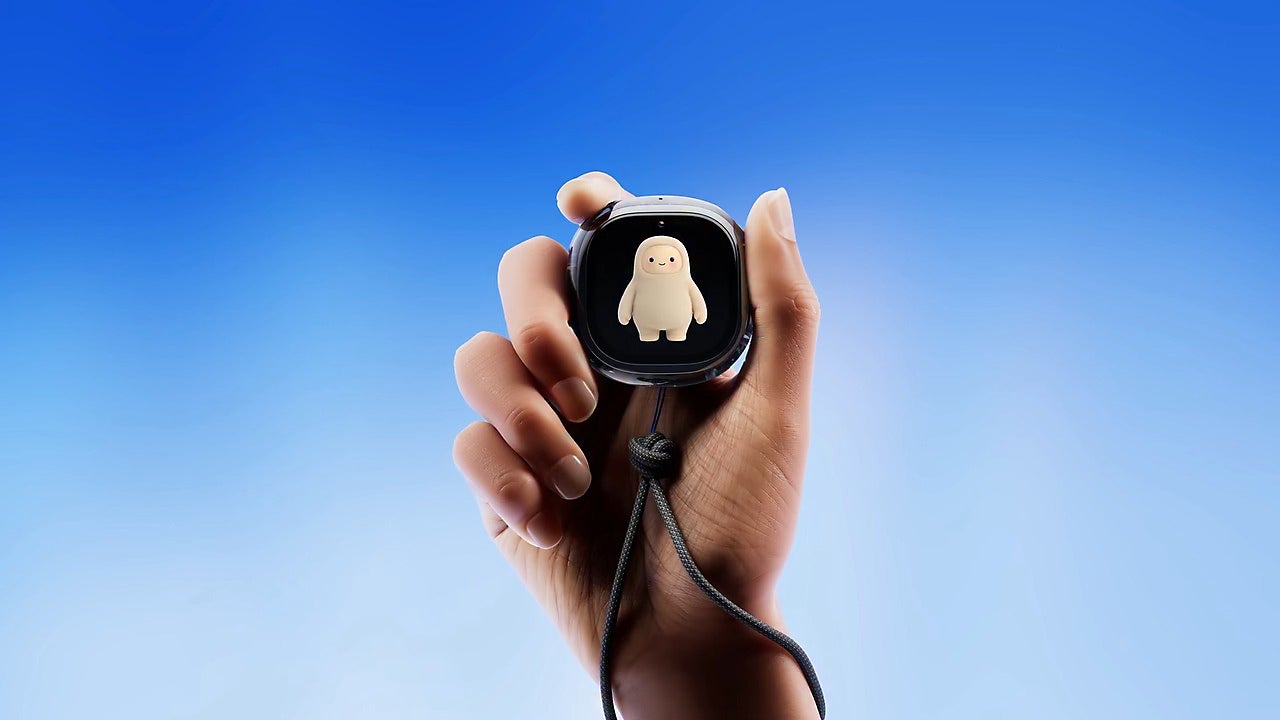
FastCompany: AI has an image problem, to say the least, with public fears on the rise that the technology could lead to mass unemployment and human extinction. So for its new AI agent Muse and an associated device, Meta is dialing down the fear factor and cranking up the cute. To sell AI hardware to the masses, Meta is going kawaii . Meta CEO Mark Zuckerberg announced the company’s forthcoming Muse Charm on Wednesday, a handheld device for its new AI agent. It looks like a futuristic Tamagotchi and personifies the chatbot on the screen as a fuzzy, rotund beige mascot. You can name the creature yourself.
Instagram’s Adam Mosseri named his “Max.” (Facebook and Instagram introduced their users to the avatar this week to entice downloads of the Muse app.) “We packed the whole Muse experience, including the whole real-time voice and avatar stack, into something that fits on a keychain and is always available to talk to,” Zuckerberg said at Meta Connect. Instead of visualizing its new AI agent as non-anthropromorphic glowing orb, like Siri, or a cursor and text, like ChatGPT, Muse is a cute monster avatar. Meta could have gone down the route of its competitors, but it didn’t.
Instead its choice shows something about how big tech is appealing to softer emotions in the race toward mass adoption. The Muse agent can read emails, book classes, draft documents, and make purchases (just not on Amazon, which blocked it ). That cross-platform functionality means allowing Muse access to a lot of accounts, which requires trust— something Meta and social media companies at large struggle with . If Muse and the Muse Charm are successful, however, it could prove that a mascot-led brand approach does a better job countering consumer AI fears than a disembodied voice or orb.
The cuteness factor has shown up in transportation recently with vehicles like Robotaxi Zoox , Amazon delivery vans , and the DoorDash Dot delivery robot. The vehicles are rounded in shape and designed to look non-intimidating. The trend is towards taking technology that might otherwise be seen as threatening, like autonomous vehicles or AI, and giving a friendly, charming exterior. Cuteness, research has shown , also sparks a caregiving response—quite the opposite from the feelings of fear and concern that many Americans have about AI.
While you can use Muse on a smartphone, Zuckerberg explained the Muse Charm as something you use without having to unlock a phone or open an app. It’s a fun novelty that could find early adopters among people looking for a device that reduces their screentime. Zuckerberg said materials and components are being finalized for the Muse Charm and there isn’t yet a price tag for the device, but the company plans to be ready to ship in time for the holidays.
Meta’s stock has risen with its Muse release , but it’s unclear what demand might be like for the Muse Charm and whether there’s mass consumer demand for a productivity product like this before it’s caught on first among early adopters and nerds. Tech companies are racing to design AI hardware like smart speakers and glasses, and Meta’s initial foray into AI-connected hardware with smartglasses faced has barriers to widespread adoption over privacy concerns that wearers can secretly record others using camera-equipped glasses.
Article truncated for readability. Read the full piece →
Meta's strategic shift to a kawaii aesthetic for AI devices represents a significant innovation in brand strategy, addressing consumer concerns while enhancing trust in technology, making it highly relevant for brand strategy professionals.
Weekly digest
Get the Signal digest
Every Monday morning — the top 3 brand trends, 10 high-signal articles, and one emerging signal to watch.
No spam. Unsubscribe anytime.