Score
Chef Yu Bi Of Kung Fu Chicken: 5 Things I Wish Someone Told Me Before I Became a Chef
Chef Yu Bi's journey in the restaurant industry emphasizes the importance of balancing creativity with consistency and operational efficiency in brand strategy. For brands in the food sector, focusing on creating a memorable customer experience through reliable offerings and emotional connections can drive loyalty and success, especially in a competitive market like Miami's dining scene.
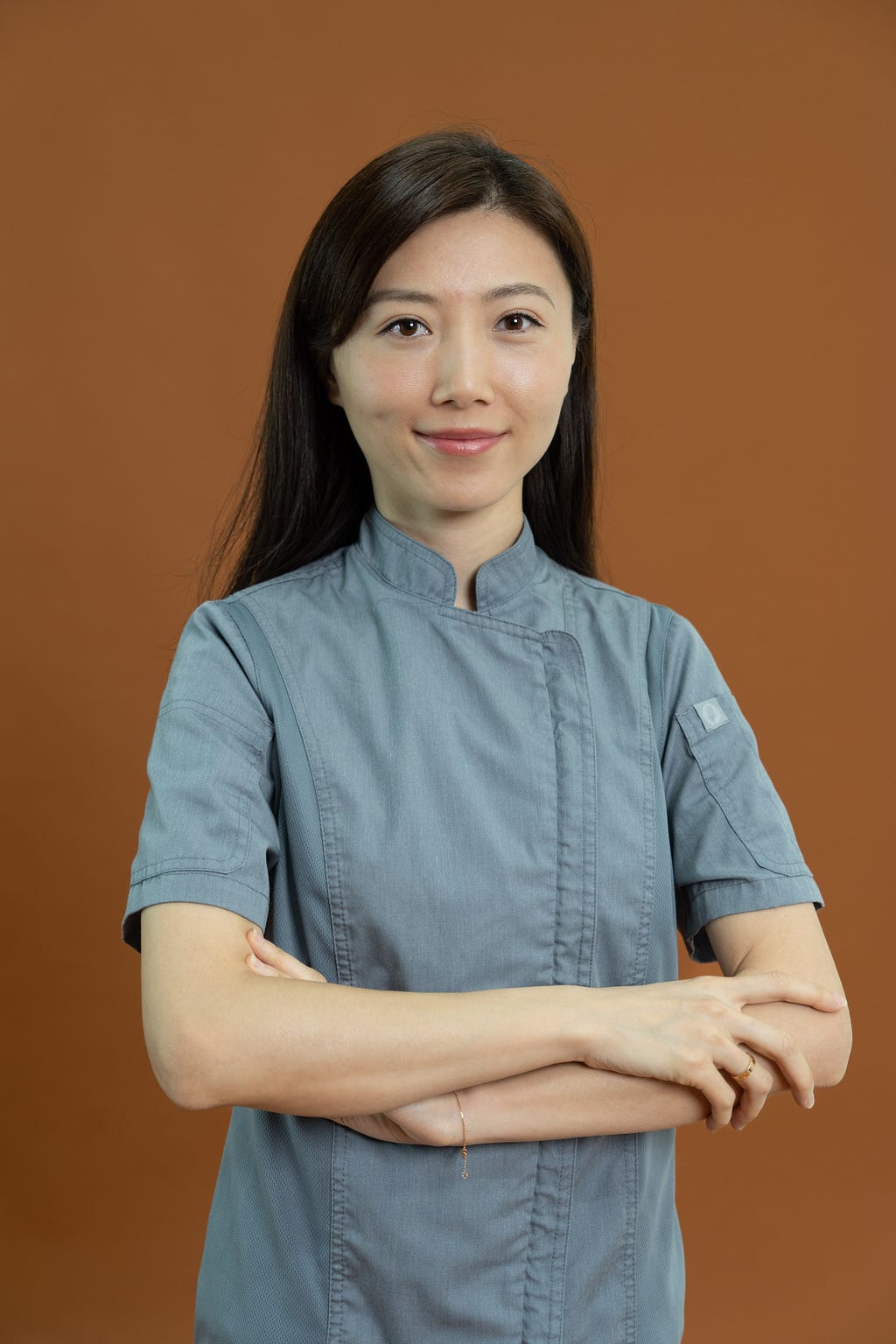
Authority Magazine: Chef Yu Bi Of Kung Fu Chicken: 5 Things I Wish Someone Told Me Before I Became a Chef -- Listen Share Running a restaurant is hard, but creating happiness through food is powerful. Running a restaurant is hard, but creating happiness through food is powerful. As a part of our series about the lessons from influential ‘TasteMakers’, we had the pleasure of interviewing Yu Bi. Chef Yu Bi is a defining voice in Miami’s Asian dining scene, rooted in a family tradition of cooking and hospitality that began in her grandmother’s kitchen in 1960s China.
After studying hospitality at Florida International University, she co-founded 107 Taste with her husband and business partner, Dr. Tingjun Lei, building it into a Miami staple. Together, they have expanded their restaurant portfolio to include Cajun Boil and Kung Fu Chicken, where Chef Yu Bi continues to blend authentic Asian flavors with innovation and modern culinary techniques. Thank you so much for joining us in this interview series! Our readers would love to ‘get to know’ you a bit. Can you share with our readers a story about what inspired you to become a restauranteur or chef? When I was young, I lived with my grandparents.
My grandmother was a chef, and my grandfather’s family owned a wonton restaurant. Both of them were exceptionally skilled at making delicious food. I would often watch my grandmother prepare a wide variety of dishes for our family, and over time, I developed a strong interest in cooking. Do you have a specific type of food that you focus on? What was it that first drew you to cooking that type of food? Can you share a story about that with us? As a Chinese chef, I naturally specialize in Asian flavors and focus much of my work on them.
Across Asia, many countries and regions share similar taste profiles and culinary traditions, which deeply inspire my cooking. I hope to share and introduce the richness of Asian cuisine with a wider audience. Can you share the funniest or most interesting story that has happened to you since you became a chef? What was the lesson or take away you took out of that story? A guest ordered one of our classic chicken sandwiches. A few minutes later, he came back to the counter looking very serious, and I immediately thought something was wrong. He said, “Chef, this sandwich is dangerous.” My heart dropped.
Then he continued, “It’s so good I just ordered two more — I was only supposed to eat one.” We all ended up laughing. But later that night, I thought about it again. That moment reminded me why we do what we do. In the middle of stress, food cost calculations, staffing issues and long hours, a simple reaction like that makes everything feel worthwhile. The lesson for me was this: Never lose sight of the joy. If your food can make someone smile — or break their diet for a moment — you’ve done something meaningful.
Running a restaurant is hard, but creating happiness through food is powerful. Can you tell us a story about the hard times that you faced when you first started your journey? How did you overcome this obstacle? The most challenging time was when I opened my first restaurant. With a limited budget, I couldn’t afford to hire many staff, so I had to handle almost everything myself. I would take guests’ orders and serve their drinks, then return to the kitchen to prepare their meals, and finally bring the dishes out to them. I often worked 14 to 15 hours a day with almost no real breaks.
Article truncated for readability. Read the full piece →
While Chef Yu Bi's insights provide valuable lessons for the food sector, they are not groundbreaking and primarily address common challenges faced by many in the industry.